Do North Koreans Actually Make Money?
TL;DR
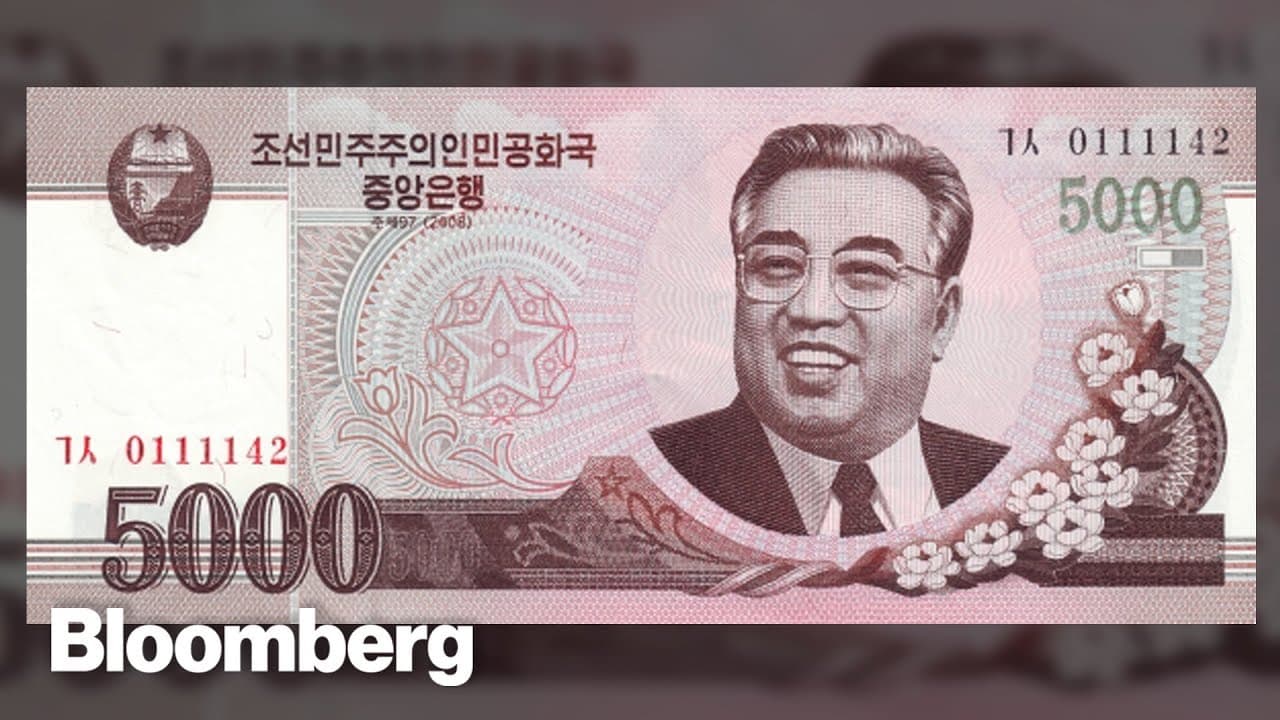
North Korea shifted from state-run to a hybrid economy post-famine.
Transcript
After the end of the Korean war, North Korea was a virtually cashless society - everyone worked for the state and was provided for by the state. And in the Communist bloc context of the day, it worked - in 1989 North Koreans were more than twice as wealthy as their comrades in China. Now we think of them as a hermit kingdom and not trading very muc... Read More
Key Insights
- North Korea was once a cashless society where the state provided for everyone, but this changed after the Soviet Union's collapse.
- The famine in North Korea ended the public distribution system, leading to the emergence of a hybrid economy.
- North Korea's economy now includes both government-controlled sectors and grey market activities where currency is earned.
- State workers in North Korea earn very low wages but receive housing, utilities, and food rations, while market workers earn more but lack these perks.
- North Korea's per capita income is significantly lower than that of China and South Korea, highlighting economic inefficiencies.
- The North Korean government has engaged in illegal activities abroad to compensate for hard currency shortages, managed by Office 39.
- There are claims of North Korea's involvement in smuggling and cyber theft, although the government denies these allegations.
- Kim Jong Un has shown interest in opening up to South Korea and adopting a more China-like economic system, but it remains uncertain if this is genuine.
Install to Summarize YouTube Videos and Get Transcripts
Explore YouTube Video Summarizer or Get YouTube Transcript Extractor
Questions & Answers
Q: How did North Korea's economy change after the Korean War?
After the Korean War, North Korea operated as a virtually cashless society where the state provided for all citizens. This system functioned well within the Communist bloc until the collapse of the Soviet Union in 1991, which led to a severe famine. As a result, the public distribution system ended, and a hybrid economy emerged, combining state control with grey market activities.
Q: What led to the end of North Korea's public distribution system?
The public distribution system in North Korea ended due to a severe famine that followed the collapse of the Soviet Union in 1991. The government could no longer supply food through rations, forcing citizens to seek alternative means of survival. This shift led to the development of a hybrid economy, where individuals engaged in market activities to earn currency.
Q: What characterizes North Korea's current economic system?
North Korea's current economic system is a mix of government-controlled and grey market activities. State workers earn low wages but receive housing, utilities, and food rations. In contrast, market workers earn higher wages without state benefits. This dual system highlights the inefficiencies and income disparities compared to neighboring countries like China and South Korea.
Q: How does North Korea compensate for its hard currency shortages?
To compensate for hard currency shortages, North Korea has engaged in illegal activities abroad, overseen by an agency known as Office 39. These activities include smuggling, counterfeit pharmaceuticals, and cyber theft. Despite government denials, these operations have been documented since the 1970s, and their nature has evolved over time to include more sophisticated methods like cybercrime.
Q: What is Office 39, and what activities is it involved in?
Office 39 is a North Korean agency responsible for raising hard currency for the ruling Kim party. It is involved in various illegal activities, including smuggling alcohol, cigarettes, and drugs, as well as engaging in cyber theft. These operations aim to generate US dollars for the regime, compensating for economic shortfalls caused by international sanctions and internal inefficiencies.
Q: How have North Korea's illegal activities evolved over time?
North Korea's illegal activities have evolved from smuggling alcohol, cigarettes, and hashish by diplomats in the 1970s to collaborating with foreign crime syndicates for counterfeit pharmaceuticals and heroin. More recently, the focus has shifted towards cyber theft, reflecting a change in tactics to adapt to increased international scrutiny and sanctions.
Q: What potential economic reforms has Kim Jong Un considered?
Kim Jong Un has considered opening North Korea to South Korean investment and adopting a more China-like economic system. These potential reforms aim to attract foreign investment and modernize the economy. However, it remains uncertain whether these initiatives represent a genuine shift in policy or are merely tactical responses to international sanctions and economic pressures.
Q: What challenges does North Korea face in improving its economy?
North Korea faces several challenges in improving its economy, including overcoming the inefficiencies of its dual economic system, addressing international sanctions, and reducing reliance on illegal activities for hard currency. Additionally, any potential reforms must balance the regime's desire for control with the need for economic modernization and integration into the global economy.
Summary & Key Takeaways
-
Post-Korean War, North Korea operated as a cashless society with state provisions. However, the collapse of the Soviet Union and subsequent famine forced a shift towards a hybrid economy combining state control and grey market activities. This transformation marked the end of the public distribution system and introduced new economic challenges.
-
North Korea's current economic system is characterized by low state wages supplemented by food rations and housing, while market jobs offer higher earnings without state benefits. This duality has led to significant income disparities compared to neighboring countries, highlighting the inefficiencies within the North Korean economy.
-
To address hard currency shortages, North Korea has engaged in illegal activities such as smuggling and cyber theft, orchestrated by an agency known as Office 39. Despite government denials, these activities have been documented since the 1970s. Recently, Kim Jong Un has expressed interest in economic reforms similar to China's system.
Read in Other Languages (beta)
Share This Summary 📚
Summarize YouTube Videos and Get Video Transcripts with 1-Click
Try YouTube Summary with ChatGPT & Claude or YouTube Transcript Generator
Explore More Summaries from Bloomberg Originals 📚

Summarize YouTube Videos and Get Video Transcripts with 1-Click
Try YouTube Summary with ChatGPT & Claude or YouTube Transcript Generator