Nature of Genius 332 Passion: Marie Curie
TL;DR
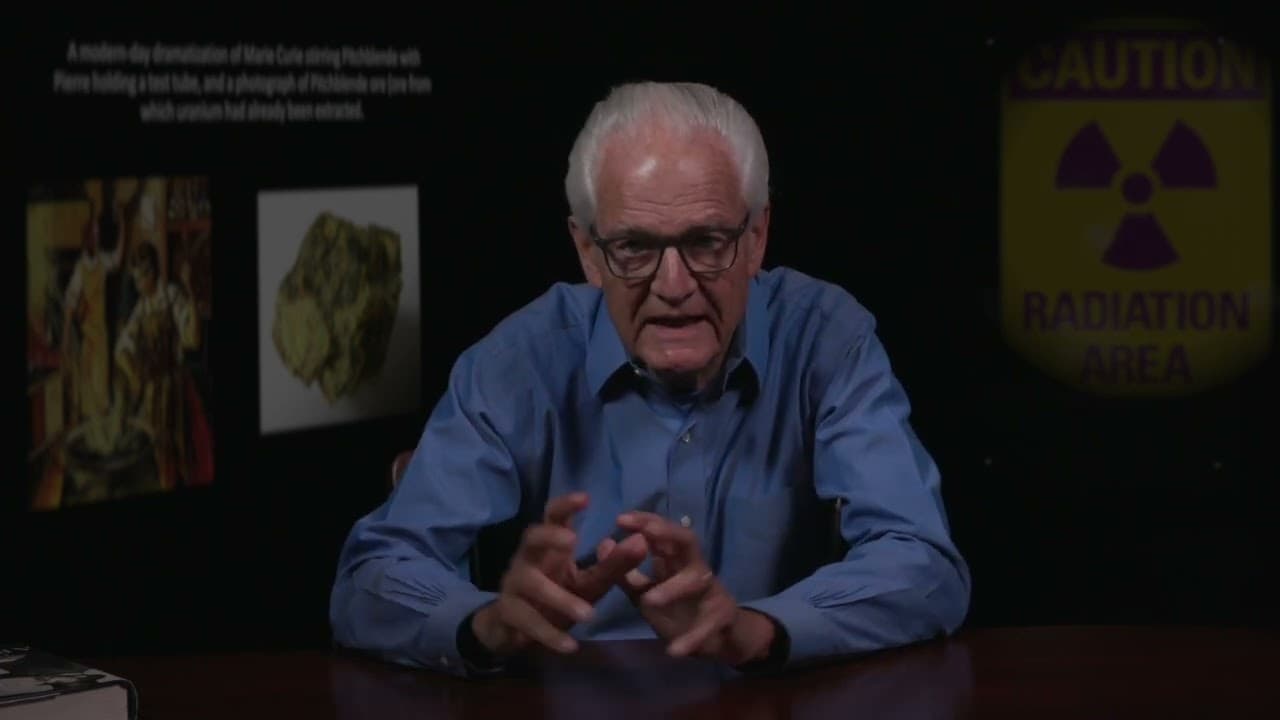
Marie Curie overcame numerous obstacles, including gender bias and social disadvantages, to become the only person to win two Nobel prizes in different scientific fields.
Transcript
sometimes Geniuses seem to come out of nowhere Shakespeare Edison Newton Gandhi Lincoln and indeed so many others seem to move from Total and often rural obscurity to become transformative figures whose impact lasts Through the Ages among Geniuses in the Western World few seem to have traveled farther both literally and figuratively and overcome gr... Read More
Key Insights
- 💦 Marie Curie's success and impact in the scientific field can largely be attributed to her passion, drive, and relentless hard work.
- 🤦♀️ Despite facing multiple disadvantages, including being a woman in a male-dominated field, Curie's determination and intelligence allowed her to overcome these barriers.
- 🏑 Curie's discovery of radium and her contributions to radiation oncology revolutionized the field of medicine and cancer treatment.
- 🧑⚕️ The sacrifices Curie made for her scientific pursuits, including safety concerns and insufficient financial resources, ultimately had detrimental effects on her health and the health of her family.
Install to Summarize YouTube Videos and Get Transcripts
Explore YouTube Video Summarizer or Get YouTube Transcript Extractor
Questions & Answers
Q: What were some of the obstacles Marie Curie faced in her pursuit of science?
Marie Curie faced multiple obstacles, including a lack of financial resources, social and gender biases, and the absence of a formal university degree.
Q: How did Marie Curie's passion and relentless hard work contribute to her success?
Marie Curie's unwavering passion, dedication, and perseverance allowed her to overcome the challenges she faced and make groundbreaking discoveries in the field of radiation and nuclear physics.
Q: What were some of Marie Curie's notable achievements and contributions to science?
Marie Curie's research led to the discovery of two new elements, polonium and radium, and she developed portable X-ray machines that were used during World War I. Additionally, her work laid the foundation for radiation oncology.
Q: How did Marie Curie's obsession with her work impact her personal life?
Marie Curie's dedication to her scientific pursuits often meant sacrificing time for friendships and relationships, leaving her daughters to be primarily raised by their grandfather. However, her passion for science and her meticulousness in her work led to remarkable achievements.
Summary & Key Takeaways
-
Marie Curie, born Maria Slodowska in Poland, displayed early interests in literature and sociology before discovering her passion for science.
-
Despite lacking a formal university degree and being a non-native speaker, Curie was admitted to the faculty of the Sorbonne to study physics.
-
Through relentless hard work, Curie conducted groundbreaking research on high-frequency rays, which led to the discovery of polonium and radium and laid the foundation for radiation oncology.
Read in Other Languages (beta)
Share This Summary 📚
Summarize YouTube Videos and Get Video Transcripts with 1-Click
Try YouTube Summary with ChatGPT & Claude or YouTube Transcript Generator
Explore More Summaries from YaleCourses 📚



Summarize YouTube Videos and Get Video Transcripts with 1-Click
Try YouTube Summary with ChatGPT & Claude or YouTube Transcript Generator