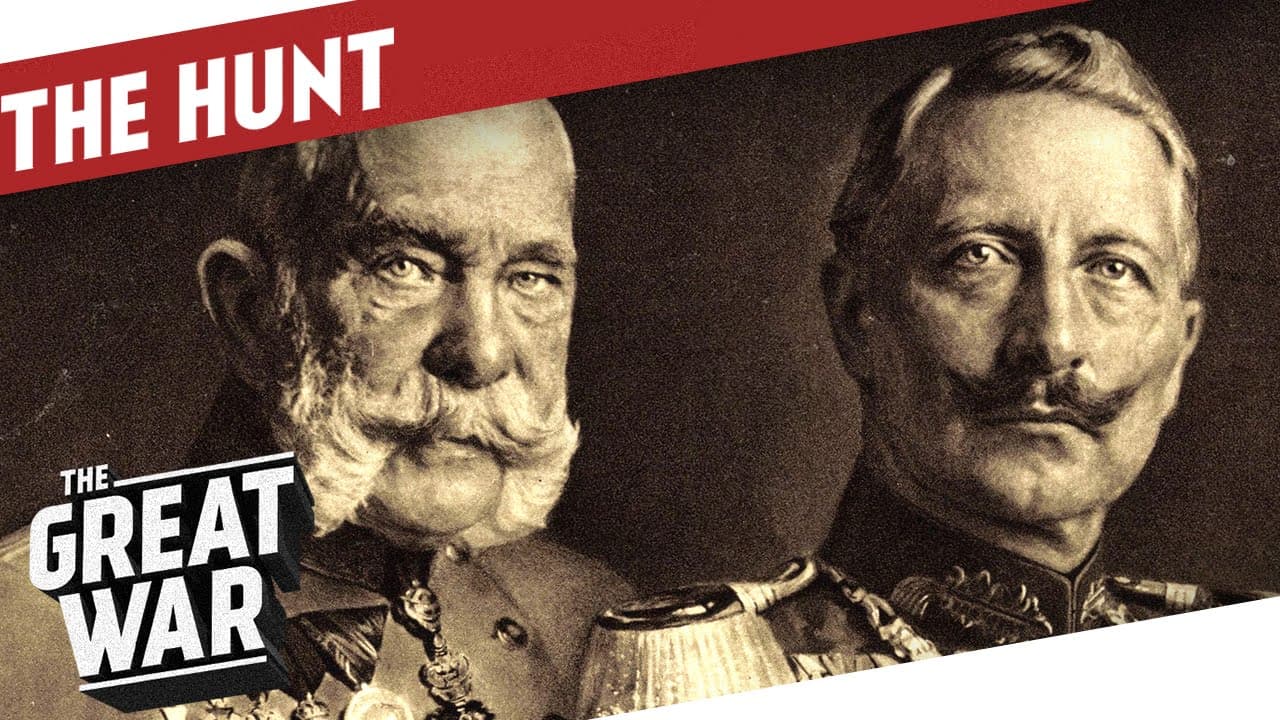
Kaiser Wilhelm II, The Habsburg Empire & The Hunt I THE GREAT WAR Special feat. Rock Island Auction
TL;DR
Explores the complex relationship between Germany and Austria-Hungary during WWI.
Transcript
For nearly two years Germany and Austria-Hungary have fought side by side against the Entente forces. German Kaiser Wilhelm II and Austro-Hungarian Emperor Franz Josef spoke of their unwavering loyalty to each other, and indeed on the Eastern Front faced a single, common foe. But how close were these two empires really? And how deeply rooted was th... Read More
Key Insights
- The relationship between Germany and Austria-Hungary was complex, with historical rivalries despite their alliance in WWI.
- Kaiser Wilhelm II and Emperor Franz Josef had differing views and cultural ties, affecting their political alliance.
- The Royal Hunt served as a platform for diplomatic discussions and political maneuvering among European nobles.
- Wilhelm II's admiration for Austrian culture clashed with his chauvinistic views, creating tension with Austrian royalty.
- The hunt was not only a leisure activity but also an opportunity for political dialogue and strategy discussions.
- Rudolph's disdain for Prussian militarism highlighted the ideological differences within the Austro-German alliance.
- The hunt's exclusivity underscored the social and political hierarchies of European nobility during this era.
- Wilhelm's diplomatic blunders and alliances shifted European power dynamics, influencing the onset of WWI.
Install to Summarize YouTube Videos and Get Transcripts
Explore YouTube Video Summarizer or Get YouTube Transcript Extractor
Questions & Answers
Q: What historical rivalries existed between Germany and Austria-Hungary?
Before German unification in 1871, Prussia and Austria were rivals, often clashing on European battlefields. The Austro-Prussian War in 1866 resulted in Austria's defeat, shifting power towards Prussian hegemony. This historical rivalry influenced their complex alliance during World War I.
Q: How did Kaiser Wilhelm II and Emperor Franz Josef's views differ?
While Wilhelm II admired Austrian culture, his chauvinistic views often clashed with Austrian ideals. Franz Josef valued military glory and traditional Habsburg heritage, whereas Wilhelm's aggressive diplomacy and disregard for Russian relations strained their alliance, highlighting their differing political priorities.
Q: What role did the Royal Hunt play in European politics?
The Royal Hunt was a platform for European nobles to engage in diplomatic discussions while enjoying leisure activities. It symbolized a retreat from daily affairs, where political strategies were discussed, reflecting the intersection of sport and diplomacy in shaping central European political landscapes.
Q: How did Wilhelm II's actions impact German-Austrian relations?
Wilhelm II's diplomatic blunders, such as his chauvinistic remarks and failure to maintain Russian relations, strained German-Austrian ties. His actions contributed to Austria's fear of being a junior partner, affecting their alliance's stability and influencing the broader European political dynamics leading to WWI.
Q: What significance did the hunt hold for Franz Josef?
For Franz Josef, hunting was a cherished pastime where he felt relaxed and equal among peers. It served as a diplomatic tool, providing a setting for political discussions and strategy, underscoring its importance beyond mere sport in central European politics.
Q: How did Rudolph view Prussian militarism?
Rudolph, the Austrian Crown Prince, rejected Prussian militaristic ideals, viewing them as reactionary and detrimental. He feared the potential for European conflict and was critical of Wilhelm's chauvinistic attitudes, reflecting the ideological differences within the Austro-German alliance during this period.
Q: What were the consequences of Rudolph's scandal?
Rudolph's scandal, involving affairs during hunting trips and a subsequent suicide pact, had profound implications for the Habsburg Empire. It led to Archduke Franz Ferdinand becoming heir to the throne, setting the stage for future political tensions and contributing to the Empire's eventual downfall.
Q: How did Wilhelm II's alliances shift European power dynamics?
Wilhelm II's decision to not renew the reassurance contract with Russia in favor of strengthening ties with Austria-Hungary altered European alliances. This shift pushed Russia towards France, contributing to the formation of the Triple Entente and altering the balance of power, setting the stage for World War I.
Summary & Key Takeaways
-
The video delves into the historical relationship between Germany and Austria-Hungary, focusing on Kaiser Wilhelm II and Emperor Franz Josef's interactions. It highlights the political and cultural complexities of their alliance during WWI.
-
The Royal Hunt is examined as a significant diplomatic event where European nobles discussed politics amidst leisure, reflecting the intertwined nature of sport and diplomacy in central European politics.
-
Tensions between German and Austrian leadership are explored, with Wilhelm II's actions and attitudes contributing to strained relations, impacting the broader geopolitical landscape leading to World War I.
Read in Other Languages (beta)
Share This Summary 📚
Summarize YouTube Videos and Get Video Transcripts with 1-Click
Try YouTube Summary with ChatGPT & Claude or YouTube Transcript Generator
Explore More Summaries from The Great War 📚
Summarize YouTube Videos and Get Video Transcripts with 1-Click
Try YouTube Summary with ChatGPT & Claude or YouTube Transcript Generator