Why Are Strangers Lurking Outside Homes?
TL;DR
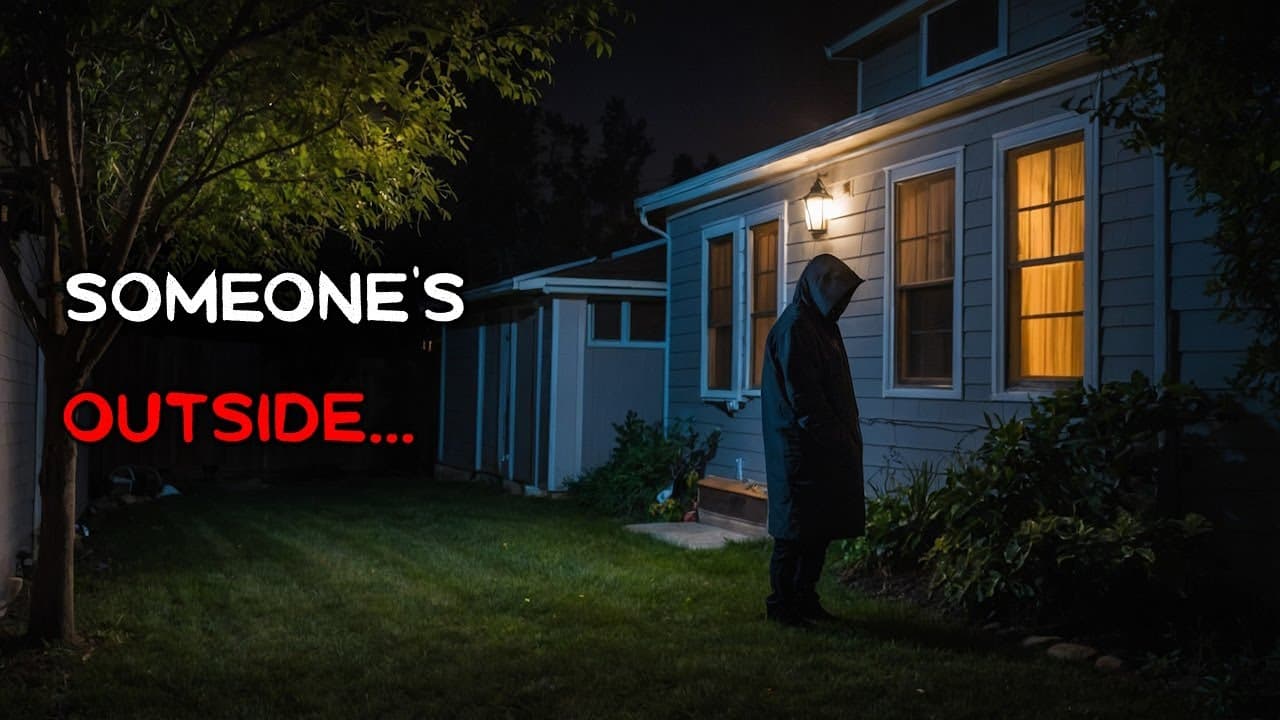
Three individuals recount chilling experiences of strangers lurking outside their homes, escalating to potential break-ins. The stories highlight the vulnerability of being alone, the instinctive fear of unknown threats, and the importance of caution. Each tale unfolds with increasing tension, illustrating how ordinary settings can quickly become terrifying under the gaze of an unwanted intruder.
Transcript
when I was 12 years old my mom had just started trusting me enough to leave me home alone so this had to be when I was 12 we live in a peaceful and ordinarily safe little town quiet streets spacious yards friendly neighbors and a charming little village with a bunch of shops and restaurants it really is not a place where you need to look over your ... Read More
Key Insights
- Home alone scenarios can quickly turn terrifying when unexpected strangers appear.
- The presence of strangers outside homes often raises instinctual fear and paranoia.
- Trusting instincts and staying cautious are crucial when faced with potential danger.
- Police involvement is a common response, but resolution isn't always immediate.
- The familiarity of one's home can become unsettling under the threat of intrusion.
- Strangers may exploit the isolation of rural or secluded areas for malicious intent.
- Footprints and other signs can indicate the presence of unwanted visitors.
- Communicating with authorities and family is vital during threatening situations.
Install to Summarize YouTube Videos and Get Transcripts
Explore YouTube Video Summarizer or Get YouTube Transcript Extractor
Questions & Answers
Q: How can you stay safe when home alone?
To stay safe when home alone, ensure all doors and windows are locked and avoid opening the door to strangers. Keep a phone nearby for emergencies, and inform trusted individuals of your situation. Having a security system or a dog can also provide additional safety and peace of mind.
Q: What should you do if you suspect someone is outside your home?
If you suspect someone is outside your home, avoid opening the door and try to remain calm. Use curtains or blinds to prevent them from seeing inside. Call the police to report the suspicious activity and provide them with any relevant details. Stay on the line with the authorities until help arrives.
Q: Why is it important to trust your instincts during a potential threat?
Trusting your instincts during a potential threat is crucial because your body often senses danger before your mind fully processes it. Instincts can prompt you to take immediate protective actions, such as securing your environment or contacting authorities, which can be lifesaving in threatening situations.
Q: How do rural or isolated settings contribute to the fear in these stories?
Rural or isolated settings contribute to fear by increasing vulnerability due to the lack of nearby help and the cover they provide for potential intruders. The absence of neighbors and the dense surroundings can make it easier for strangers to approach unnoticed and create an unsettling atmosphere of isolation.
Q: What role do police play in these stories?
In these stories, the police are contacted as a response to the threat, providing a sense of potential safety and authority. However, their involvement does not always lead to immediate resolution, highlighting the limitations and delays that can occur in emergency situations, leaving individuals to rely on their own precautions.
Q: Why might someone choose not to return to a location after a frightening experience?
Someone might choose not to return to a location after a frightening experience due to the lingering fear and trauma associated with the event. The memory of the threat and the emotional impact can make the place feel unsafe and trigger anxiety, leading individuals to avoid revisiting the scene to protect their mental well-being.
Q: How can signs like footprints indicate an intruder's presence?
Footprints can indicate an intruder's presence by showing evidence of someone having been near or around a property. They can reveal the path taken by an intruder, suggest the time of the visit, and help identify potential entry points, providing crucial information for assessing the threat and informing law enforcement.
Q: What psychological effects can such encounters have on individuals?
Such encounters can have significant psychological effects, including heightened anxiety, paranoia, and sleep disturbances. Victims may experience a loss of sense of security, leading to hyper-vigilance and fear of being alone. These experiences can also result in long-term trauma and reluctance to trust unfamiliar environments or people.
Summary & Key Takeaways
-
A young boy is left home alone and encounters a suspicious pizza delivery man. Later, a stranger attempts to enter the house, prompting a call to the police. The intruder manages to enter but leaves before the police arrive, leaving the family shaken.
-
A teenager in a remote house experiences a terrifying encounter with a man tapping on the window. Despite the presence of a guard dog and a shotgun, the intruder continues to stalk the house, leaving footprints and unsettling the occupants.
-
College friends renting a cabin in the woods are terrorized by a man who watches them through windows and eventually enters the cabin. Despite contacting the police, the group receives little help, and the unsettling experience remains unresolved.
Read in Other Languages (beta)
Share This Summary 📚
Summarize YouTube Videos and Get Video Transcripts with 1-Click
Try YouTube Summary with ChatGPT & Claude or YouTube Transcript Generator
Explore More Summaries from Mr. Nightmare 📚






Summarize YouTube Videos and Get Video Transcripts with 1-Click
Try YouTube Summary with ChatGPT & Claude or YouTube Transcript Generator