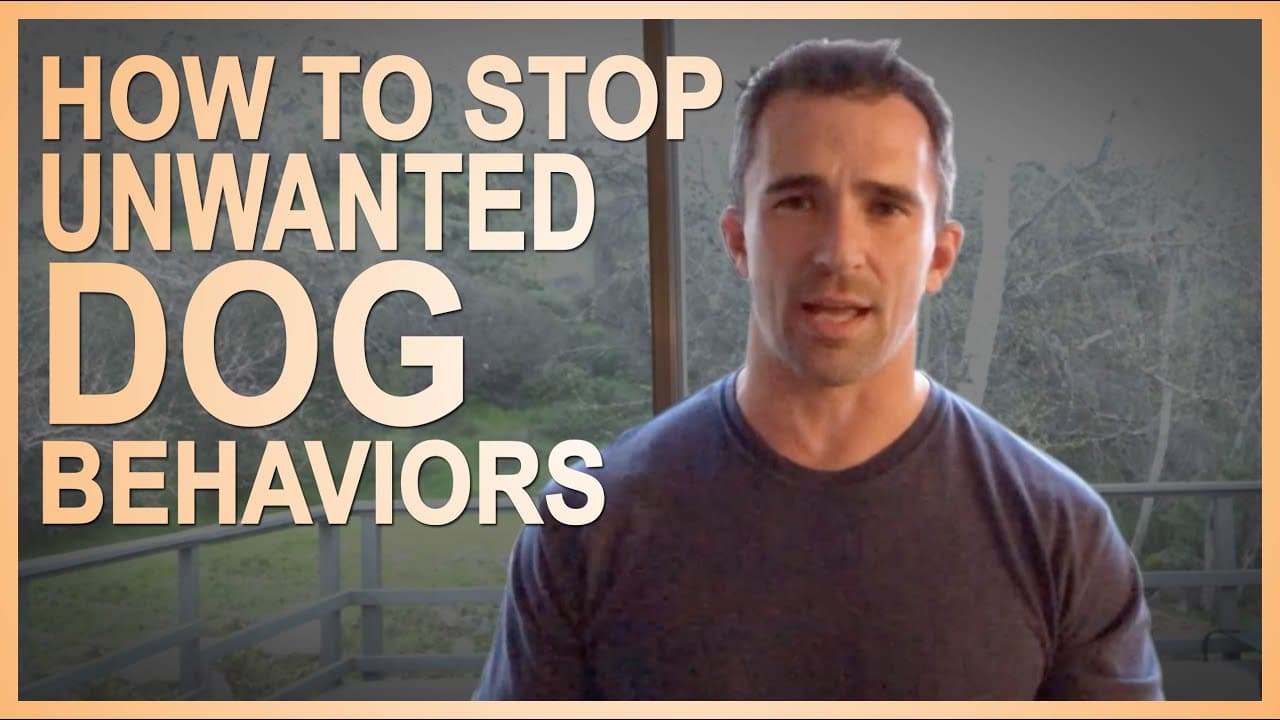
How to STOP Unwanted Dog Behaviors
TL;DR
Learn to stop dogs from unwanted behaviors using science-based training.
Transcript
alright guys this video is for those of you out there that have a dog or dogs that either pull on the leash or bark at people when you don't want them to and how do we stop that behavior first what we need to do is we need to think about what it is that the dog is trying to do or what is their outcome or result from doing a certain behavior so if I... Read More
Key Insights
- Understanding the motivation behind a dog's behavior is crucial to effectively stopping unwanted actions, as behaviors often result from self-rewarding activities.
- Self-rewarding behaviors, like barking or pulling on the leash, are inherently fun for dogs, and ignoring them won't stop the actions.
- Conditioned reinforcers and corrections are essential tools in dog training, predicting outcomes that influence a dog's behavior positively or negatively.
- Fear-based behaviors should not be corrected, as doing so can reinforce the fear and exacerbate the problem, making it harder to address.
- Setting dogs up to fail in a controlled environment allows trainers to correct unwanted behaviors immediately, providing a clear path to success.
- Differentiating between behavioral and obedience issues is vital; corrections can be applied to obedience issues only when the dog understands the commands.
- The concept of a dog's 'bank account' helps determine the level of correction needed, with richer dogs requiring higher corrections to change behaviors.
- Science-based dog training involves rewarding desired behaviors and correcting unwanted ones, ensuring dogs understand expectations and how to comply.
Install to Summarize YouTube Videos and Get Transcripts
Explore YouTube Video Summarizer or Get YouTube Transcript Extractor
Questions & Answers
Q: How can self-rewarding behaviors in dogs be addressed?
Self-rewarding behaviors, like barking or pulling on the leash, are inherently enjoyable for dogs, making them difficult to stop through ignoring alone. To address these behaviors, trainers should use conditioned reinforcers and corrections, creating outcomes that influence the dog's behavior by making the unwanted action less appealing.
Q: Why shouldn't fear-based behaviors be corrected?
Fear-based behaviors should not be corrected because doing so can reinforce the fear, making the issue worse and harder to address. Correcting these behaviors sends a message to the dog that their fear is justified, leading to increased anxiety and potentially escalating the problem.
Q: What is the significance of setting dogs up to fail in training?
Setting dogs up to fail in a controlled environment allows trainers to correct unwanted behaviors immediately, providing a clear path to success. This approach ensures that dogs understand the consequences of their actions and learn to associate specific behaviors with positive or negative outcomes, facilitating effective behavior modification.
Q: How can trainers differentiate between behavioral and obedience issues?
Trainers can differentiate between behavioral and obedience issues by assessing whether the dog understands the commands being given. Behavioral issues, such as chewing or digging, can be corrected immediately if not fear-based. Obedience issues require ensuring the dog knows the command and how to comply before applying corrections.
Q: What role does a dog's 'bank account' play in training?
A dog's 'bank account' is an analogy used to determine the level of correction needed to change behavior. Dogs with a 'rich' bank account require higher corrections to influence behavior, while 'poorer' dogs need lower corrections. This concept helps trainers apply appropriate corrections for effective behavior modification.
Q: Why are conditioned reinforcers and corrections important in dog training?
Conditioned reinforcers and corrections are important because they predict the primary reward or correction, influencing a dog's behavior. These tools help create associations between actions and outcomes, making desired behaviors more likely to be repeated and unwanted ones less appealing to the dog.
Q: How does understanding the science of dog training aid in behavior modification?
Understanding the science of dog training aids in behavior modification by providing a framework for assessing and influencing a dog's actions. It involves rewarding desired behaviors and correcting unwanted ones, ensuring dogs understand expectations and how to comply, leading to effective and lasting behavior changes.
Q: What is the importance of teaching dogs to turn off pressure by complying?
Teaching dogs to turn off pressure by complying is important because it ensures they understand how to respond to commands and corrections. This knowledge allows trainers to apply corrections fairly, as the dog knows how to achieve the desired behavior, reducing the likelihood of fear or confusion during training.
Summary & Key Takeaways
-
The video emphasizes understanding the underlying motivations of dog behaviors and using science-based methods to stop unwanted actions. It highlights the importance of conditioned reinforcers and corrections, and how these tools help modify behaviors effectively.
-
Fear-based behaviors should not be corrected, as this can reinforce the fear. Instead, trainers should focus on setting dogs up to fail in controlled scenarios, allowing for immediate correction and a clear path to success.
-
Differentiating between behavioral and obedience issues is crucial, with corrections applied only when dogs understand commands. The concept of a dog's 'bank account' helps determine appropriate correction levels, ensuring effective behavior change.
Read in Other Languages (beta)
Share This Summary 📚
Summarize YouTube Videos and Get Video Transcripts with 1-Click
Try YouTube Summary with ChatGPT & Claude or YouTube Transcript Generator
Explore More Summaries from Nate Schoemer 📚





Summarize YouTube Videos and Get Video Transcripts with 1-Click
Try YouTube Summary with ChatGPT & Claude or YouTube Transcript Generator