How to Produce a 'The Great War' Episode
TL;DR
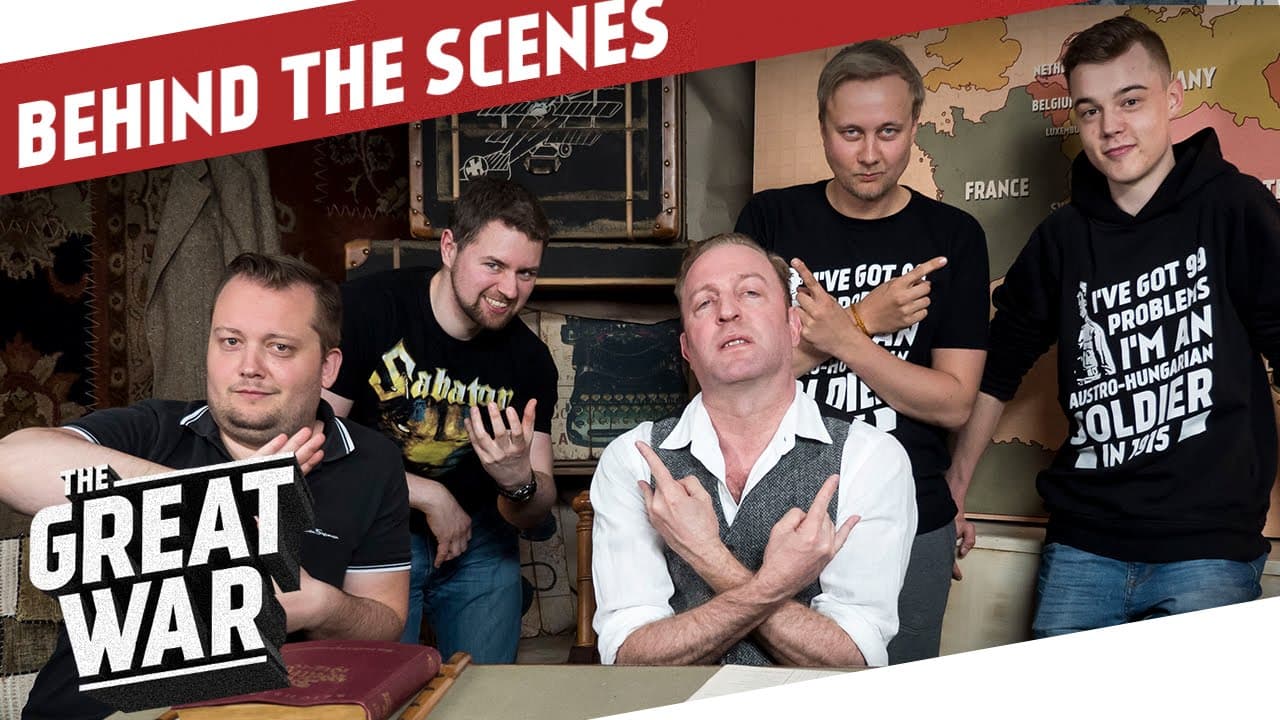
Producing an episode of 'The Great War' involves extensive research, scripting, and collaboration with a small team. Fans contribute to research, especially for specialized topics. The process includes writing scripts, finding visuals, creating animations, and sound design, all coordinated by a dedicated team to maintain high-quality content.
Transcript
hi I'm Flo and I'm Tony and we are two people of the team that is actually producing the Great War um since we are moving offices and Studio at the moment um hence the more improvised uh background um we thought it would be cool to give you a look behind the scenes and explain a bit how we actually produce the show since a lot of you asked about th... Read More
Key Insights
- Producing 'The Great War' episodes starts with thorough research by Indy and the team, often with help from fans.
- The script is crafted from research findings, ensuring historical accuracy and engaging storytelling.
- Visual elements like pictures and video clips are carefully selected to complement the narrative.
- Animations, particularly map animations, are created to visually represent troop movements and other key events.
- Sound design is crucial, balancing voice, sound effects, and music to enhance the viewing experience.
- The team, consisting of about six people, manages all aspects from research to final production.
- Community involvement is vital, providing additional insights and feedback that enrich the episodes.
- Social media engagement helps extend the show's reach and provides extra historical content to the audience.
Install to Summarize YouTube Videos and Get Transcripts
Explore YouTube Video Summarizer or Get YouTube Transcript Extractor
Questions & Answers
Q: How is research conducted for 'The Great War' episodes?
Research for 'The Great War' episodes is conducted by Indy Neidell and the team, with significant contributions from fans. Fans, especially those with local expertise, help in gathering detailed information. The research is then fact-checked and turned into a script, ensuring historical accuracy and engaging content.
Q: What role do animations play in 'The Great War' episodes?
Animations in 'The Great War' episodes are crucial for visually representing historical events, such as troop movements. Created by a motion designer, these animations provide clarity and enhance the storytelling by illustrating complex scenarios, making historical events more accessible and engaging for the audience.
Q: How does sound design contribute to 'The Great War' episodes?
Sound design is a key element in 'The Great War' episodes, balancing dialogue, sound effects, and music to create an immersive experience. The sound designer adjusts volume levels and adds effects to enhance the narrative, ensuring that the audio complements the visual storytelling effectively.
Q: What is the role of the community in producing 'The Great War' episodes?
The community plays a vital role in producing 'The Great War' episodes by contributing research, providing feedback, and sharing insights. This collaborative approach enriches the content, allowing the team to cover diverse topics with greater depth and accuracy, leveraging the community's collective knowledge.
Q: How does the team manage the production of 'The Great War' episodes?
The production of 'The Great War' episodes is managed by a small team of about six people. Each member has specific roles, from research and scriptwriting to editing and sound design. Despite the team's size, they maintain high production standards through efficient collaboration and a clear division of responsibilities.
Q: What challenges does the team face in producing 'The Great War' episodes?
The team faces several challenges in producing 'The Great War' episodes, including the extensive research required for historical accuracy and the technical demands of integrating visuals and sound. Additionally, maintaining a consistent production schedule with a small team requires efficient time management and resource allocation.
Q: How does social media engagement enhance 'The Great War' project?
Social media engagement enhances 'The Great War' project by extending its reach and providing additional content to the audience. Platforms like Facebook, Twitter, and Instagram offer behind-the-scenes insights, extra historical facts, and community interaction, enriching the viewer's experience beyond the episodes.
Q: What is the importance of visual elements in 'The Great War' episodes?
Visual elements are crucial in 'The Great War' episodes, providing context and enhancing storytelling. Carefully selected pictures and video clips complement the narrative, while animations illustrate complex events. These visuals help convey historical information in an engaging and accessible manner, supporting the episode's educational goals.
Summary & Key Takeaways
-
Producing an episode of 'The Great War' involves detailed research, scripting, and collaboration with a dedicated team. Fans contribute to the research, especially for topics requiring local expertise. The process includes writing scripts, sourcing visuals, creating animations, and sound design, all to deliver high-quality content.
-
The team consists of about six people who manage the entire production process, from research to final editing. Community engagement is a key component, with fans providing additional insights and feedback. Social media platforms offer extra content and interaction with the audience.
-
Visual and sound elements are carefully integrated to enhance the storytelling. Animations are used to depict troop movements and historical events, while sound design balances dialogue, effects, and music. The show maintains a high production standard, despite the small team size.
Read in Other Languages (beta)
Share This Summary 📚
Summarize YouTube Videos and Get Video Transcripts with 1-Click
Try YouTube Summary with ChatGPT & Claude or YouTube Transcript Generator
Explore More Summaries from The Great War 📚
Summarize YouTube Videos and Get Video Transcripts with 1-Click
Try YouTube Summary with ChatGPT & Claude or YouTube Transcript Generator