Why Did Germany Dismiss US Military Threat in WWI?
TL;DR
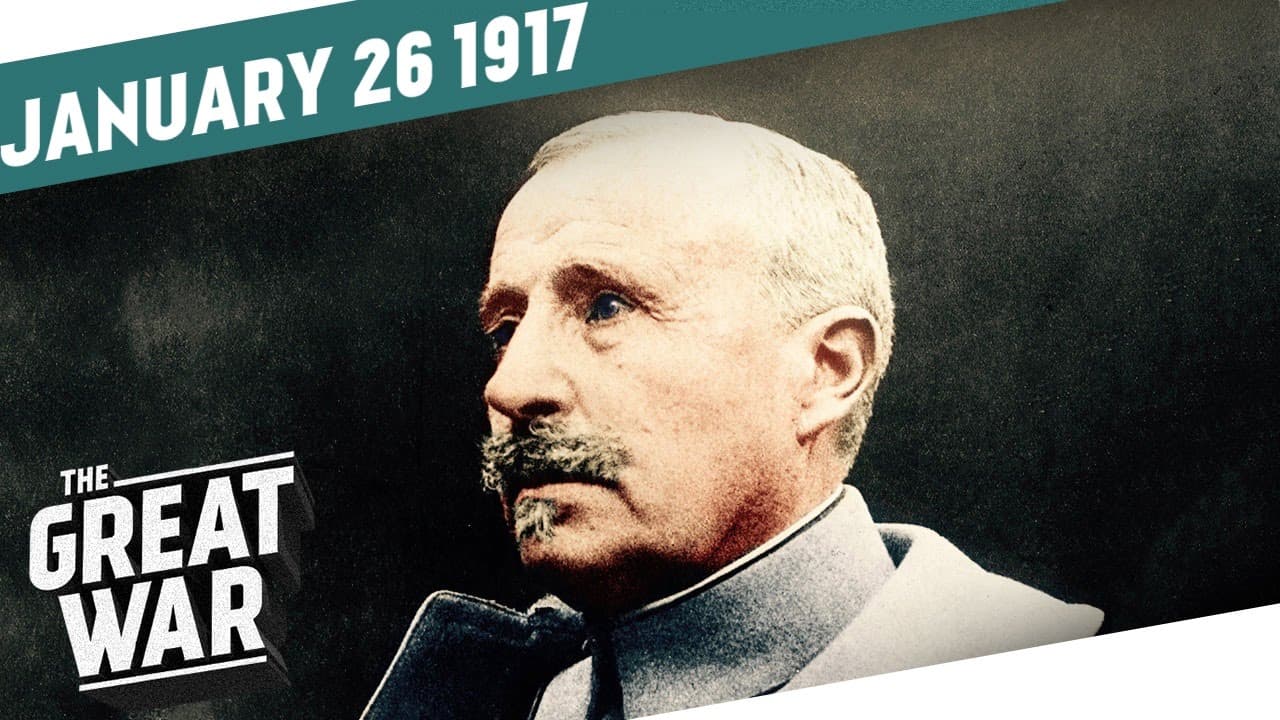
Germany planned to resume unrestricted submarine warfare, risking US involvement in WWI. Despite this, the German military underestimated the US military's impact due to its small size. Meanwhile, Greek political intrigue and French military plans were unfolding, adding complexity to the war dynamics.
Transcript
Germany had a new plan that they were soon to implement, and it may well bring neutral nations into the war as enemies. One of those nations was the United States, but Germany wasn’t worried about them, and this week they tell you why. I’m Indy Neidell; welcome to the Great War. Last week there was scattered action on the Western Front and the Ital... Read More
Key Insights
- Germany was planning to reintroduce unrestricted submarine warfare, targeting all ships within the war zone.
- The German military underestimated the potential impact of the US entering the war, dismissing it as insignificant.
- The American army was relatively small compared to European powers, with only 107,641 men.
- King Constantine of Greece was secretly plotting against the Allies, despite publicly affirming friendship.
- French Commander Robert Nivelle planned a decisive offensive at Chemin des Dames, aiming to end the war quickly.
- The US had a large modern arms industry, developed to supply the European war effort.
- Germany believed that the US military would take too long to mobilize effectively.
- Greek political intrigue involved communication between King Constantine and the German Kaiser, plotting against the Allies.
Install to Summarize YouTube Videos and Get Transcripts
Explore YouTube Video Summarizer or Get YouTube Transcript Extractor
Questions & Answers
Q: Why did Germany resume unrestricted submarine warfare?
Germany resumed unrestricted submarine warfare to disrupt Allied shipping and supply lines, aiming to weaken their war effort. By targeting all ships, including neutral ones, Germany hoped to cut off resources and force the Allies into submission. This aggressive strategy risked drawing neutral countries, like the US, into the conflict, but Germany believed this risk was worth the potential gains.
Q: How did Germany view the US military threat during WWI?
Germany largely dismissed the US military threat during WWI, believing the American army was too small and inexperienced to make a significant impact. At the time, the US army was only the 17th largest in the world, with limited experience in large-scale operations. Germany underestimated the potential for the US to mobilize its vast resources and manpower, focusing instead on immediate military strength.
Q: What was the significance of the Greek political intrigue in WWI?
Greek political intrigue during WWI involved secret communications between King Constantine and the German Kaiser, plotting against the Allies. Despite publicly affirming friendship with the Allies, Constantine's actions threatened to destabilize the region and complicate Allied efforts. This intrigue highlighted the complex alliances and betrayals that characterized much of the political landscape during the war.
Q: What were Nivelle's plans for the 1917 Offensive?
French Commander Robert Nivelle planned a major offensive at Chemin des Dames in 1917, intending to deliver a decisive blow to the German line. The offensive was designed to replicate the tactical successes of Verdun and end the war within 48 hours. Nivelle assured that if the offensive failed to achieve quick success, it would be called off, aiming to avoid the prolonged battles of Verdun and the Somme.
Q: How did the US arms industry contribute to WWI?
The US arms industry played a significant role in WWI by supplying the Allies with modern weaponry and equipment. Built up over two years with European investment, the industry provided a critical source of arms and ammunition. This capacity to produce military supplies allowed the US to support the Allies materially, even before formally entering the war, and later facilitated the rapid expansion of its own military forces.
Q: What was the impact of unrestricted submarine warfare on neutral nations?
Unrestricted submarine warfare had a profound impact on neutral nations, as it threatened their shipping and economic interests. By targeting all vessels in the war zone, including those from neutral countries, Germany risked drawing these nations into the conflict. The sinking of neutral ships, such as those from the US, increased tensions and pushed some countries closer to joining the Allies against Germany.
Q: Why did Germany underestimate the US military's potential during WWI?
Germany underestimated the US military's potential during WWI due to its small size and lack of recent large-scale combat experience. The German high command believed that the US army, ranked only 17th in the world, would be unable to mobilize quickly enough to pose a real threat. This miscalculation ignored the US's industrial capacity and the potential for rapid expansion and training of its forces.
Q: What role did Greece play in the broader context of WWI?
Greece's role in WWI was marked by political intrigue and internal conflict, as King Constantine's secret communications with Germany revealed a duplicitous stance. While Greece was officially neutral, Constantine's actions aimed to undermine the Allies and potentially support the Central Powers. This added a layer of complexity to the war, as the Allies had to navigate these political tensions while maintaining their military focus.
Summary & Key Takeaways
-
Germany's plan to resume unrestricted submarine warfare risked drawing the US into WWI. Despite this, Germany underestimated the US military threat, viewing it as insignificant. Meanwhile, Greek political intrigue involved secret communications with the German Kaiser, while France planned a decisive offensive.
-
The German military dismissed the US as a military threat due to its small army size, despite its large arms industry. French Commander Nivelle's planned offensive aimed to end the war quickly, while Greece's secret plotting added complexity to the war.
-
Germany's unrestricted submarine warfare aimed to disrupt Allied shipping, risking US involvement. The US military was underestimated by Germany, which focused on its small size rather than potential. Greek political intrigue and French military plans further complicated the war landscape.
Read in Other Languages (beta)
Share This Summary 📚
Summarize YouTube Videos and Get Video Transcripts with 1-Click
Try YouTube Summary with ChatGPT & Claude or YouTube Transcript Generator
Explore More Summaries from The Great War 📚

Summarize YouTube Videos and Get Video Transcripts with 1-Click
Try YouTube Summary with ChatGPT & Claude or YouTube Transcript Generator