This Icelandic Remedy Could Save Your Life [Graphic Content]
TL;DR
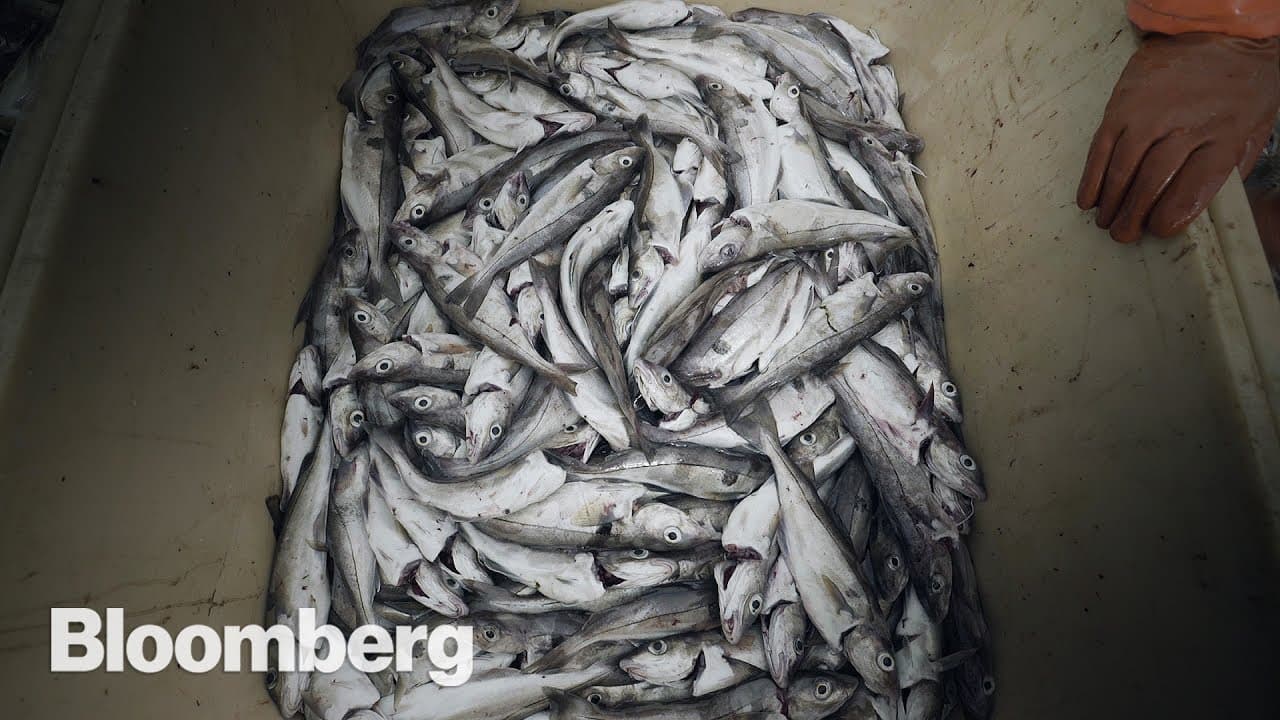
Icelandic company uses cod skin to heal chronic wounds.
Transcript
Amputations can be the result of severe trauma, or an aggressive disease. But the vast majority are caused by chronic wounds, injuries that fail to heal. Many chronic wounds are linked to diabetes, high blood sugar levels causes nerve damage and poor circulation making it harder for wounds to heal. They can then become infected which sometimes lead... Read More
Key Insights
- Chronic wounds, often linked to diabetes, are a major cause of amputations due to poor healing and infections.
- Kerecis, an Icelandic company, uses cod fish skin for medical grafts, offering a promising solution for chronic wound healing.
- Cod fish skin is found to be more similar to human skin compared to pig skin, making it a better material for grafts.
- The manufacturing process involves de-scaling, cleaning, and preserving the fish skin's structure to promote healing.
- Fish skin grafts recruit the body's cells to form healthy tissue, integrating into the wound and accelerating healing.
- Dr. John Lantis at Mount Sinai Hospital uses Kerecis products, observing significant improvement in wound healing.
- Kerecis has seen rapid growth, with significant investments from the U.S. military for battlefield wound applications.
- Fish skin grafts reduce pain, prevent infections, and are cost-effective compared to traditional methods.
Install to Summarize YouTube Videos and Get Transcripts
Explore YouTube Video Summarizer or Get YouTube Transcript Extractor
Questions & Answers
Q: What are the main causes of chronic wounds leading to amputations?
Chronic wounds leading to amputations are primarily caused by conditions such as diabetes, which results in high blood sugar levels. This causes nerve damage and poor circulation, making it difficult for wounds to heal. These wounds can become infected, increasing the risk of amputation if not properly treated.
Q: How does Kerecis utilize cod fish skin for medical purposes?
Kerecis processes cod fish skin into medical grafts by first de-scaling and cleaning the skin. The process preserves the skin's porous structure, which is crucial for promoting healing. The fish skin recruits the body's own cells to form healthy tissue, integrating into the wound and accelerating the healing process.
Q: Why is fish skin considered superior to pig skin for wound healing?
Fish skin, particularly from cod, is considered superior to pig skin for wound healing because it is more similar to human skin in structure. This similarity allows fish skin to integrate better into human tissue, promoting faster healing and reducing the risk of infection compared to traditional pig skin grafts.
Q: What are the observed benefits of using Kerecis fish skin grafts in hospitals?
In hospitals, Kerecis fish skin grafts have been observed to significantly improve wound healing rates. Dr. John Lantis at Mount Sinai Hospital noted that the grafts integrate well into the wound, promoting tissue formation. Patients experience reduced pain and infections, making it a beneficial alternative to traditional treatments.
Q: How has Kerecis's innovation impacted its business growth?
Kerecis's innovation in using cod fish skin for wound healing has led to rapid business growth. The company's sales in the first quarter of 2017 matched its entire sales for 2016. This growth is fueled by increasing adoption in medical settings and significant investments from the U.S. military for its battlefield applications.
Q: What role does the U.S. military play in Kerecis's success?
The U.S. military plays a significant role in Kerecis's success by investing in its fish skin graft technology for battlefield applications. The grafts can be applied immediately to burn wounds, providing a protective cover that reduces pain and prevents infections, making them valuable in military medical care.
Q: What is the significance of the fish skin's porous structure in wound healing?
The porous structure of the fish skin is significant in wound healing because it allows the body's cells to infiltrate and form new tissue. This structure supports the natural healing process, facilitating the integration of the graft into the wound and promoting faster and more effective recovery.
Q: How has the perception of fish skin changed due to Kerecis's innovation?
Due to Kerecis's innovation, the perception of fish skin has shifted from a byproduct used for animal feed to a valuable medical resource. The fish skin's effectiveness in wound healing has transformed it into a high-demand product, highlighting its potential in medical applications and boosting its economic value.
Summary & Key Takeaways
-
Chronic wounds, often associated with diabetes, pose a significant health risk leading to amputations. Traditional treatments using pig or human skin have high failure rates. An Icelandic company, Kerecis, has innovated by using cod fish skin, which closely resembles human skin, to create effective medical grafts for wound healing.
-
Kerecis, based in Iceland, processes cod fish skin into medical products. The process involves cleaning and preserving the skin's structure to promote healing. The fish skin recruits the body's cells to form healthy tissue, integrating into the wound. This innovative approach has shown promising results in clinical settings.
-
Dr. John Lantis from Mount Sinai Hospital has successfully used Kerecis fish skin grafts on patients, observing faster wound healing. The U.S. military has invested in this technology for battlefield use due to its antimicrobial properties and pain reduction benefits. This innovation transforms a byproduct into a valuable medical resource.
Read in Other Languages (beta)
Share This Summary 📚
Summarize YouTube Videos and Get Video Transcripts with 1-Click
Try YouTube Summary with ChatGPT & Claude or YouTube Transcript Generator
Explore More Summaries from Bloomberg Originals 📚






Summarize YouTube Videos and Get Video Transcripts with 1-Click
Try YouTube Summary with ChatGPT & Claude or YouTube Transcript Generator