The French Uniforms of World War 1 I THE GREAT WAR - Special
TL;DR
An overview of French WWI uniforms and equipment.
Transcript
We’ve been asked many times to do special episodes about the various uniforms and equipment used during the war, which is something we don’t have time to cover in our regular Thursday episodes, so that’s what we’re going to do today. I’m Indy Neidell; welcome to a quick Great War special episode about French uniforms and equipment in the First Worl... Read More
Key Insights
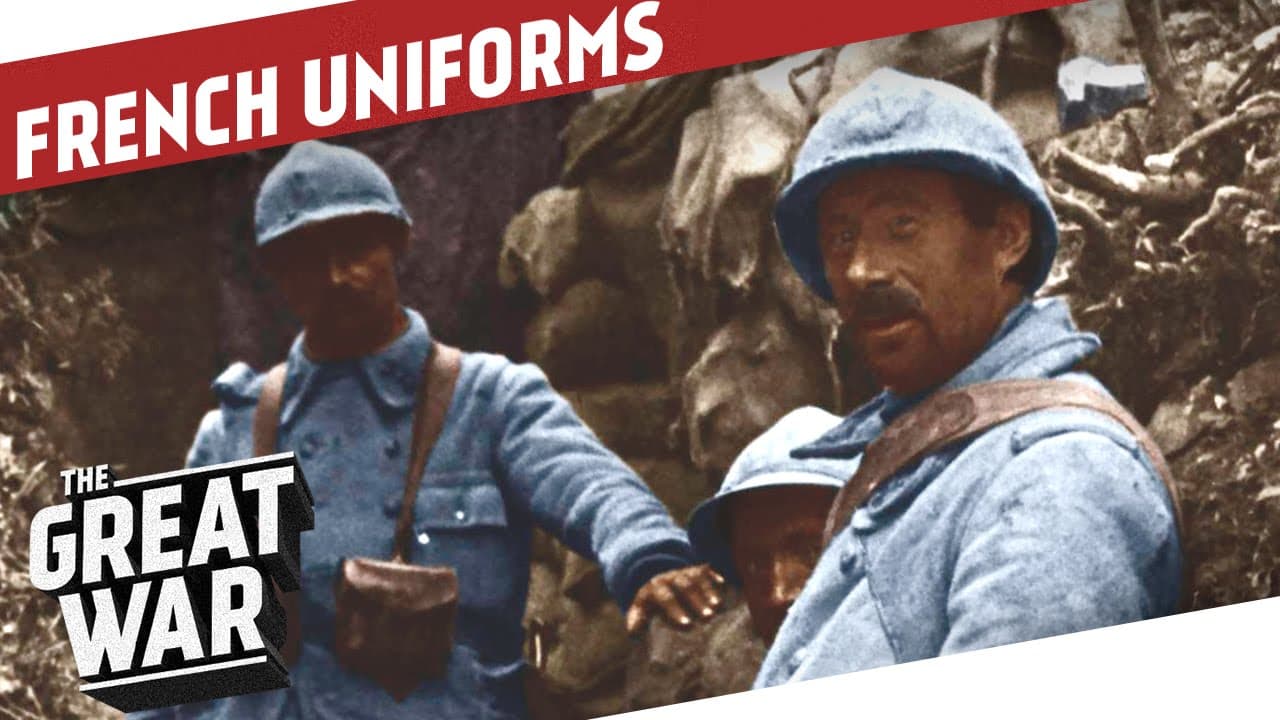
- French WWI uniforms initially included bright colors and traditional designs, which proved disastrous against modern warfare tactics.
- The French Army experienced a significant loss at the Battles of the Frontiers due to outdated uniforms and strategies.
- Universal conscription in France meant most men had military commitments for a large portion of their adult lives.
- The Lebel 8mm rifle was standard issue but was long and unwieldy, especially with a bayonet attached.
- In 1915, the French Army introduced horizon blue uniforms and steel helmets to improve practicality and safety.
- The Adrian M1915 steel helmet was the first real military helmet and was widely adopted by other nations.
- The kepi, a traditional cap, remained in use until 1915, despite its impracticality in modern warfare.
- French equipment included cumbersome leather gear and a variety of belts, which required braces for support.
Install to Summarize YouTube Videos and Get Transcripts
Explore YouTube Video Summarizer or Get YouTube Transcript Extractor
Questions & Answers
Q: Why were the initial French uniforms ineffective in WWI?
The initial French uniforms were ineffective because they featured bright colors and traditional designs that made soldiers easy targets in modern warfare. The strategy of marching en masse across fields against well-defended German positions proved disastrous, as evidenced by the significant losses at the Battles of the Frontiers.
Q: How did universal conscription affect French military service?
Universal conscription in France meant that men were called to service at the age of 18 and typically served for four years. After discharge, they joined the reserves until around age 33 and then the Territorial Army until their late 40s, ensuring a long-term military commitment for most men.
Q: What changes were made to French uniforms during WWI?
In response to the ineffectiveness of their initial uniforms, the French Army introduced horizon blue uniforms in early 1915. They also adopted British-style puttees for trench warfare and issued steel skull caps, eventually replaced by the Adrian M1915 steel helmets, which were more practical and provided better protection.
Q: What was the significance of the Adrian M1915 helmet?
The Adrian M1915 helmet was significant because it was the first real military helmet, introduced by the French Army to improve soldier safety during WWI. Its design was based on French firemen's helmets and was adopted by several other armies, including the Belgian, Russian, Serbian, and Italian forces, due to its practicality.
Q: Why was the Lebel 8mm rifle considered unwieldy?
The Lebel 8mm rifle, though an improvement over previous models, was considered unwieldy due to its length and weight, especially when fitted with a bayonet. This made it difficult for soldiers to maneuver in the trenches, highlighting the need for more practical weaponry in modern warfare.
Q: What role did the kepi play in French military uniforms?
The kepi, a traditional cap worn by French soldiers, played a role in maintaining the army's traditional appearance. However, its bright colors and design were impractical for modern warfare, leading to its eventual replacement by more practical headgear like the Adrian helmet by mid-1915.
Q: How did French equipment compare to other European armies?
French equipment, made largely of leather, was more cumbersome compared to other European armies. The belts, such as the 1905 model, required braces for support, reflecting the need for more functional and adaptable gear in the context of modern warfare's demands.
Q: What was the structure of a French infantry regiment in 1914?
A French infantry regiment in 1914, known as Régiment d'Infantrie (R.I.), consisted of 70 officers and 3,400 other ranks, organized into three battalions. The regimental headquarters included mounted scouts and an administration platoon responsible for various support roles, highlighting the comprehensive structure of military units during the war.
Summary & Key Takeaways
-
The video explores the evolution of French military uniforms during World War I, highlighting the initial use of bright colors and traditional designs that were ineffective against modern warfare tactics. The French Army's significant losses at the Battles of the Frontiers prompted changes in uniform and equipment.
-
Universal conscription in France required men to serve from age 18, with commitments lasting into their late 40s. The French Army's standard issue rifle was the long and unwieldy Lebel 8mm, which was not suited for the realities of trench warfare.
-
To address the shortcomings of their initial uniforms, the French Army introduced horizon blue uniforms and the Adrian M1915 steel helmets in 1915. These changes improved practicality and safety, with the Adrian helmet becoming a widely adopted model by other nations.
Read in Other Languages (beta)
Share This Summary 📚
Summarize YouTube Videos and Get Video Transcripts with 1-Click
Try YouTube Summary with ChatGPT & Claude or YouTube Transcript Generator
Explore More Summaries from The Great War 📚


Summarize YouTube Videos and Get Video Transcripts with 1-Click
Try YouTube Summary with ChatGPT & Claude or YouTube Transcript Generator