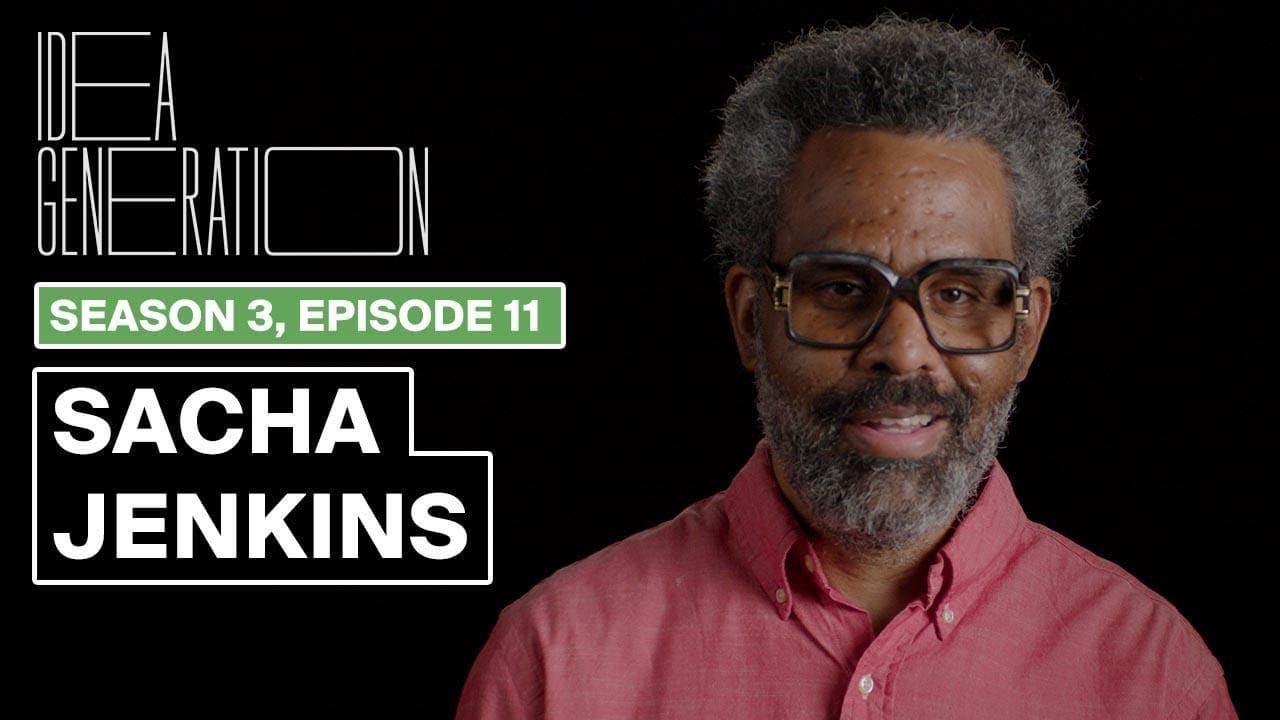
How Sacha Jenkins Became a Filmmaker from Zines
TL;DR
Sacha Jenkins transformed his passion for graffiti and hip-hop into a successful career in filmmaking. Raised by artistic parents, Jenkins began by self-publishing zines, which led to founding the influential magazine EgoTrip. His deep understanding of culture and race has informed his acclaimed documentaries, including works on Wu-Tang Clan and Louis Armstrong.
Transcript
I was raised by independent people and so I wanted to continue the tradition I guess I'd never wanted to be a spectator I wanted to be a player in 1988 a graffiti obsessed 17 year old in Astoria Queens had an idea Sasha Jenkins would combine his love of art hip-hop and humor to find a series of Highly Successful independent print Publications befor... Read More
Key Insights
- Sacha Jenkins started his career by self-publishing zines, combining his love for graffiti, hip-hop, and humor.
- His parents, a filmmaker and a painter, greatly influenced his storytelling approach and career ambitions.
- Graffiti culture in Astoria, Queens, exposed Jenkins to diverse perspectives and shaped his worldview.
- Jenkins co-founded the influential magazine EgoTrip, which reflected his diverse interests beyond just hip-hop.
- He transitioned from print to film, directing documentaries on cultural icons like Wu-Tang Clan and Louis Armstrong.
- Jenkins emphasizes the importance of listening to one's inner voice and being willing to pivot when necessary.
- He values humor and diversity as critical elements in his work, believing they foster better communication.
- Jenkins' filmmaking is driven by a desire to tell stories that reflect cultural and racial dynamics.
Install to Summarize YouTube Videos and Get Transcripts
Explore YouTube Video Summarizer or Get YouTube Transcript Extractor
Questions & Answers
Q: How did Sacha Jenkins start his career?
Sacha Jenkins began his career by self-publishing zines that combined his interests in graffiti, hip-hop, and humor. Inspired by his filmmaker father and painter mother, Jenkins used these zines to explore and document the cultures he was passionate about, eventually leading to the founding of the influential magazine EgoTrip.
Q: What influenced Sacha Jenkins' storytelling approach?
Sacha Jenkins' storytelling was heavily influenced by his parents, who were both artists—his father was a filmmaker, and his mother was a painter. Growing up in a culturally rich environment, Jenkins developed a keen eye for storytelling that combined visual elements with narrative, which he later applied to his work in zines, magazines, and documentaries.
Q: How did graffiti culture impact Sacha Jenkins?
Graffiti culture in Astoria, Queens, exposed Sacha Jenkins to a diverse range of perspectives and subcultures, shaping his worldview. It taught him about politics, networking, and cultural exchange, which were crucial in his development as a storyteller and influenced his later work in documenting and shaping cultural narratives.
Q: What was the significance of EgoTrip magazine?
EgoTrip magazine, co-founded by Sacha Jenkins, was significant for its innovative approach to blending hip-hop with other cultural elements like skateboarding and rock. It challenged the norms of the time by refusing to box in cultural expressions, offering a broader reflection of contemporary culture and opening up new advertising opportunities.
Q: How did Sacha Jenkins transition to filmmaking?
Sacha Jenkins transitioned to filmmaking by leveraging his storytelling skills developed through zines and magazines. His documentaries focus on cultural icons and racial dynamics, informed by his deep understanding of culture. This pivot was driven by a desire to explore new narratives and reach wider audiences through visual storytelling.
Q: What themes does Sacha Jenkins explore in his documentaries?
Sacha Jenkins' documentaries explore themes of culture, race, and their impact on history. His works delve into the lives of cultural icons like Wu-Tang Clan and Louis Armstrong, using humor and insight to address social issues and highlight the interconnectedness of different cultural expressions across generations.
Q: How does Sacha Jenkins view the role of humor in his work?
Sacha Jenkins views humor as a crucial element in his work, believing it signifies intelligence and fosters better communication. Humor allows Jenkins to engage with diverse audiences and address complex social issues, making his storytelling more relatable and impactful. It is a consistent thread in his projects, from zines to documentaries.
Q: What drives Sacha Jenkins' creative decisions?
Sacha Jenkins' creative decisions are driven by a combination of listening to his inner voice and a willingness to pivot when necessary. He values learning and teaching, seeking projects that challenge him and allow him to explore new narratives. Jenkins' work is also informed by his personal experiences and a deep commitment to cultural storytelling.
Summary & Key Takeaways
-
Sacha Jenkins' career began with self-published zines, inspired by his artistic parents and diverse cultural interests. He co-founded EgoTrip magazine, which combined hip-hop with other cultural elements, leading to a successful transition into filmmaking.
-
Jenkins' documentaries explore cultural icons and racial dynamics, informed by his deep understanding of culture and humor. His works include acclaimed films on Wu-Tang Clan and Louis Armstrong, emphasizing the importance of storytelling in addressing social issues.
-
Throughout his career, Jenkins has embraced change and listened to his inner voice, allowing him to pivot from print to film. He continues to focus on projects that highlight cultural narratives, drawing from his personal experiences and diverse background.
Read in Other Languages (beta)
Share This Summary 📚
Summarize YouTube Videos and Get Video Transcripts with 1-Click
Try YouTube Summary with ChatGPT & Claude or YouTube Transcript Generator
Explore More Summaries from Bloomberg Originals 📚






Summarize YouTube Videos and Get Video Transcripts with 1-Click
Try YouTube Summary with ChatGPT & Claude or YouTube Transcript Generator