Why Did Italy Join WW1 on the Entente Side?
TL;DR
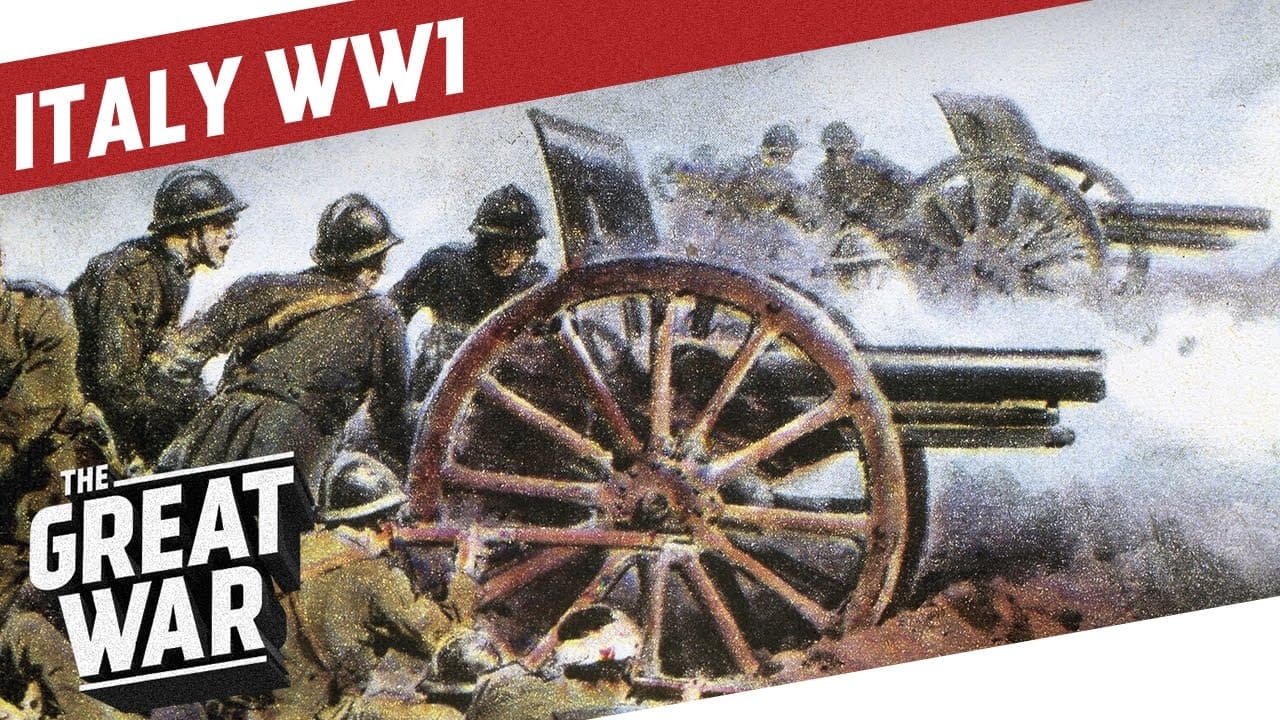
Italy joined World War 1 on the side of the Entente powers due to promises of territorial gains in the Alps and Trieste, despite initially being allied with Germany and Austria-Hungary. The decision was influenced by political turmoil, economic dependencies, and a lack of popular support for war, but ultimately, interventionist factions prevailed.
Transcript
Now that Italy has joined the war, we’ll be seeing a lot of action and intrigue on the Italian front, but some of you have asked what Italy was doing leading up to her entry in the war, so that’s what I’m going to talk about... right now. I’m Indy Neidell; welcome to a Great War special Episode about Italy and the events leading up to the Italian d... Read More
Key Insights
- Italy was unified as a single nation in 1861 after three wars of unification.
- Irredentism, the desire to reclaim Italian territories, was a key factor in Italy's decision to join WW1.
- In 1914, Italy was a poor, largely agricultural nation with high illiteracy and low per capita income.
- Italy's political structure was a constitutional monarchy under King Victor Emmanuel III.
- Prime Minister Giovanni Giolitti's era was marked by centrist coalitions and social reforms.
- Italy was part of the Triple Alliance with Germany and Austria-Hungary but declared neutrality in 1914.
- The Treaty of London promised Italy territorial gains, influencing its decision to join the Entente.
- Italy declared war on Austria-Hungary on May 23, 1915, after interventionists swayed public opinion.
Install to Summarize YouTube Videos and Get Transcripts
Explore YouTube Video Summarizer or Get YouTube Transcript Extractor
Questions & Answers
Q: Why did Italy join World War 1 on the side of the Entente?
Italy joined the Entente powers in World War 1 due to promises of territorial gains in the Alps and near Trieste, as outlined in the Treaty of London. Despite its initial alliance with Germany and Austria-Hungary, Italy was swayed by the prospect of reclaiming Italian-speaking territories and the economic dependencies on Britain and France.
Q: What was Italy's political situation before joining WW1?
Before joining World War 1, Italy was a constitutional monarchy under King Victor Emmanuel III, with politics dominated by Prime Minister Giovanni Giolitti's centrist coalitions. The country faced internal turmoil, with power concentrated among landowners and industrialists, fostering resentment and political extremism. The decision to join the war was influenced by these internal divisions and external promises.
Q: What role did irredentism play in Italy's entry into WW1?
Irredentism, the nationalist movement to reclaim territories inhabited by Italian-speaking populations, played a significant role in Italy's decision to enter World War 1. The desire to annex regions like South Tyrol and Trieste, which were under Austrian control, fueled support for joining the Entente, which promised these territories in the Treaty of London.
Q: How did the Treaty of London influence Italy's decision in WW1?
The Treaty of London, signed in April 1915, promised Italy significant territorial gains, including South Tyrol, Trieste, and parts of the Balkans, in exchange for joining the Entente powers. These promises were crucial in swaying Italian political and public opinion towards intervention, ultimately leading to Italy's declaration of war on Austria-Hungary.
Q: What were the economic factors influencing Italy's WW1 decision?
Italy's economy, heavily reliant on imports of coal and wheat from Britain and France, influenced its decision to join the Entente in World War 1. Economic dependencies, combined with the promise of territorial gains, outweighed the existing alliance with Germany and Austria-Hungary, leading to Italy's alignment with the Entente.
Q: How did public opinion in Italy shift towards intervention in WW1?
Public opinion in Italy shifted towards intervention in World War 1 due to the efforts of interventionist factions, including futurists and nationalists, who advocated for war to reclaim Italian territories. Despite initial opposition, these groups successfully swayed public sentiment and political leaders, leading to Italy's declaration of war on Austria-Hungary in 1915.
Q: What were the main arguments against Italy joining WW1?
The main arguments against Italy joining World War 1 included the lack of popular support for war, economic vulnerabilities, and the potential for political unrest. Neutralists, including the Catholic Church and Socialists, opposed intervention, fearing the social and economic consequences of war. However, their lack of unity allowed interventionists to prevail.
Q: What was the significance of the Triple Alliance for Italy?
The Triple Alliance, a defensive pact between Italy, Germany, and Austria-Hungary, initially obligated Italy to support its allies in case of war. However, Italy's interpretation of the alliance terms, particularly Article VII, allowed it to declare neutrality in 1914. The alliance's failure to address Italy's territorial ambitions and Austria's actions led to Italy's eventual alignment with the Entente.
Summary & Key Takeaways
-
Italy joined World War 1 on the side of the Entente powers due to promises of territorial gains, despite its initial alliance with Germany and Austria-Hungary. Political turmoil and economic dependencies on Britain and France influenced this decision, as did the interventionist factions that eventually swayed public opinion.
-
Italy's entry into WW1 was driven by irredentism, a desire to reclaim territories with Italian-speaking populations. The Treaty of London promised Italy significant territorial gains, including South Tyrol and Trieste, which played a crucial role in its decision to join the Entente.
-
Despite early neutrality, Italy's political landscape was dominated by interventionists who favored war. The lack of unity among neutralists, combined with economic dependencies and territorial promises, led Italy to declare war on Austria-Hungary in May 1915, aligning with the Entente powers.
Read in Other Languages (beta)
Share This Summary 📚
Summarize YouTube Videos and Get Video Transcripts with 1-Click
Try YouTube Summary with ChatGPT & Claude or YouTube Transcript Generator
Explore More Summaries from The Great War 📚
Summarize YouTube Videos and Get Video Transcripts with 1-Click
Try YouTube Summary with ChatGPT & Claude or YouTube Transcript Generator