Standing Up To The Royal Navy - Maximilian von Spee I WHO DID WHAT IN WW1?
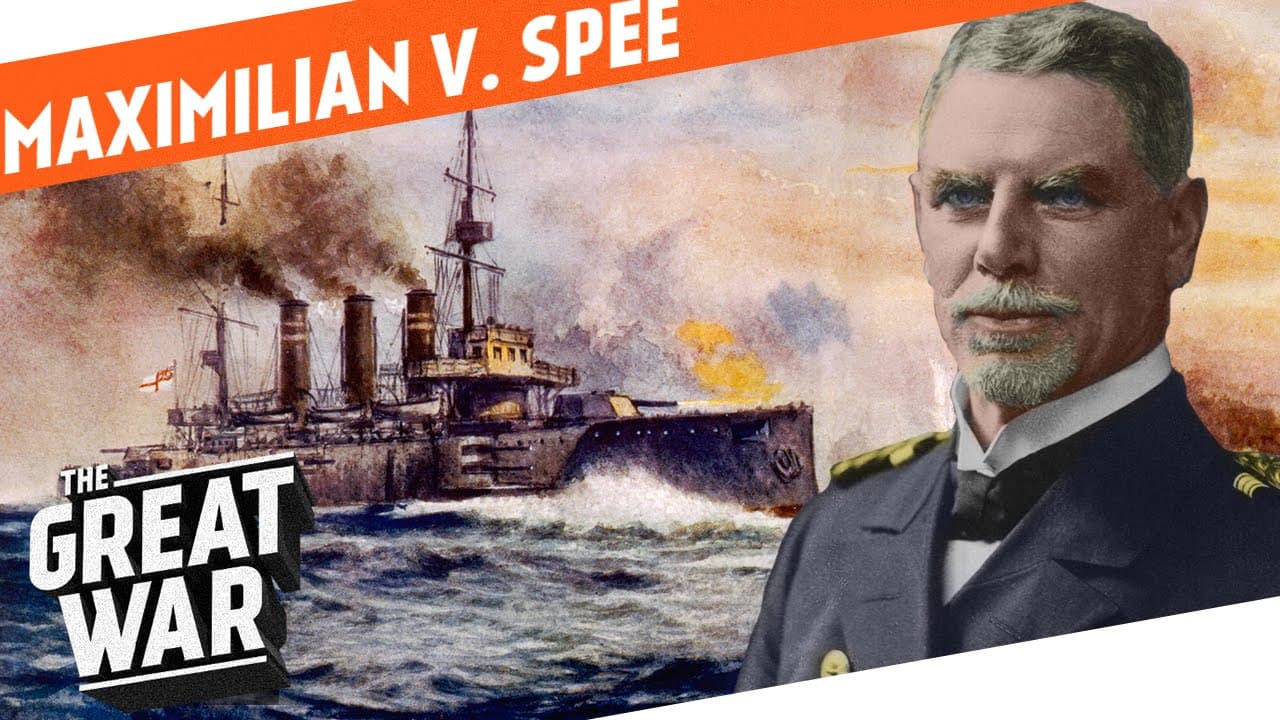
TL;DR
Maximilian von Spee led a daring naval campaign during WW1.
Transcript
Vice Admiral Maximilian Reichsgraf von Spee of the German Imperial Navy was one of the most famous naval officers of World War 1. When the war broke out, he was outnumbered and outgunned far from home in the Pacific Ocean. His chances of escape or survival were slim, but he led his squadron several thousand nautical miles into the Atlantic Ocean, w... Read More
Key Insights
- Maximilian von Spee was a notable German naval officer during World War 1, known for his strategic prowess despite being outnumbered.
- Born in 1861, von Spee hailed from a noble family and joined the German Imperial Navy in 1878, quickly rising through the ranks.
- As Vice Admiral, von Spee commanded the German East Asia Squadron, tasked with protecting German interests in Asia and the South Pacific.
- During WW1, von Spee led his squadron across the Pacific and into the Atlantic, engaging in a cruiser war to secure supplies.
- Von Spee achieved a significant victory at the Battle of Coronel, marking the first British naval defeat in over a century.
- Despite initial successes, von Spee's squadron was eventually defeated at the Battle of the Falkland Islands, resulting in heavy German casualties.
- Von Spee is remembered for his tactical acumen and bravery, with monuments erected in his honor in both Chile and Germany.
- The cruiser SMS Emden, under von Spee's orders, successfully sank 16 enemy cargo ships, showcasing German naval capabilities.
Install to Summarize YouTube Videos and Get Transcripts
Explore YouTube Video Summarizer or Get YouTube Transcript Extractor
Questions & Answers
Q: Who was Maximilian von Spee?
Maximilian von Spee was a Vice Admiral in the German Imperial Navy during World War 1. Born in 1861, he came from a noble family and joined the navy in 1878. He rose quickly through the ranks, known for his strategic brilliance and leadership, especially during naval battles in WW1.
Q: What was the significance of the Battle of Coronel?
The Battle of Coronel, fought on November 1, 1914, was significant because it marked the first defeat of a British squadron in over a century. Led by Maximilian von Spee, the German East Asia Squadron sank two British ships, the Hope and Monmouth, dealing a blow to the Royal Navy's invincible reputation.
Q: How did von Spee manage his squadron's supplies during the war?
Von Spee managed his squadron's supplies by engaging in a cruiser war, avoiding direct battles with enemy warships. Instead, he raided enemy cargo ships to secure food and coal, ensuring his squadron could continue its operations across the Pacific and Atlantic, despite being cut off from German supply lines.
Q: What was the outcome of the Battle of the Falkland Islands?
The Battle of the Falkland Islands, fought on December 8, 1914, resulted in a decisive British victory. The British, led by Vice Admiral Sturdee, sank the German ships Scharnhorst, Gneisenau, Leipzig, and Nürnberg. Over 2,200 Germans, including von Spee and his sons, perished, marking the end of the German cruiser war.
Q: Why is von Spee remembered despite his defeat?
Von Spee is remembered for his strategic acumen and leadership during desperate circumstances. His victory at Coronel and his ability to maneuver his squadron across vast distances under pressure highlighted his brilliance. Monuments and ships named in his honor reflect the respect he garnered despite his ultimate defeat.
Q: What role did the SMS Emden play in von Spee's campaign?
The SMS Emden, under von Spee's orders, remained in the Pacific and conducted a successful campaign, sinking 16 enemy cargo ships in a matter of weeks. This demonstrated the tactical capabilities of the German navy and added to von Spee's legacy as a formidable naval commander during World War 1.
Q: What challenges did von Spee face during his campaign?
Von Spee faced numerous challenges, including being outnumbered and outgunned far from home. He had to navigate the vast Pacific and Atlantic Oceans with limited supplies, relying on raiding enemy ships for resources. Additionally, the British intelligence service and blockades posed constant threats to his squadron's survival.
Q: How is von Spee's legacy viewed in modern times?
Von Spee's legacy is viewed with respect for his tactical brilliance and courage. Monuments in Chile and Germany, along with ships named after him, honor his contributions. However, some places renamed streets initially named after him during the Nazi era, reflecting the complex nature of historical remembrance.
Summary & Key Takeaways
-
Maximilian von Spee was a distinguished German naval officer during World War 1, leading the East Asia Squadron. Despite being outnumbered, he executed a daring naval campaign across the Pacific and Atlantic, culminating in a major victory at the Battle of Coronel, which dented the Royal Navy's reputation.
-
Born into nobility, von Spee joined the German Imperial Navy in 1878. He quickly advanced through the ranks, eventually commanding the East Asia Squadron. His strategic maneuvers during WW1 demonstrated his leadership and tactical prowess, earning him recognition despite his ultimate defeat.
-
Von Spee's naval campaign was marked by significant achievements and challenges. His victory at Coronel was a major blow to the British, but his squadron's defeat at the Falkland Islands ended his campaign. Monuments in his honor and the legacy of the cruiser SMS Emden highlight his impact on naval history.
Read in Other Languages (beta)
Share This Summary 📚
Summarize YouTube Videos and Get Video Transcripts with 1-Click
Try YouTube Summary with ChatGPT & Claude or YouTube Transcript Generator
Explore More Summaries from The Great War 📚




Summarize YouTube Videos and Get Video Transcripts with 1-Click
Try YouTube Summary with ChatGPT & Claude or YouTube Transcript Generator