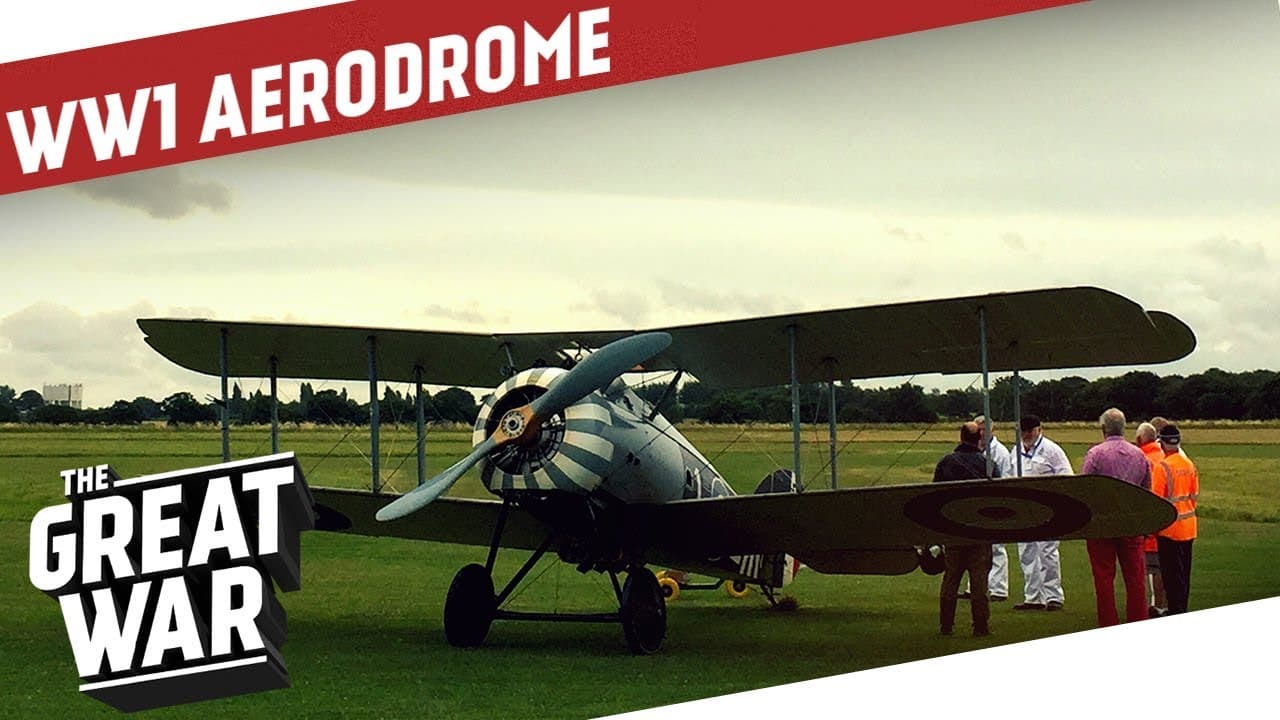
Inside A British WW1 Airbase - Stow Maries Great War Aerodrome I THE GREAT WAR Special
TL;DR
Exploring Stow Maries, a preserved WW1 British aerodrome.
Transcript
i'm indy neidell and this is the great war on the road now today we're at the stole mary's aerodrome in Essex in England and that's how the locals pronounce its toll mah reez and this is one of those locals but he's not just a local this is Rory Kirkby and he worked with us in Berlin on the great war last winter and he did the research behind such ... Read More
Key Insights
- Stow Maries Aerodrome was established in 1916 by the Royal Flying Corps to protect the Thames Estuary from German raids.
- The aerodrome is unique as it remains the most complete World War I airbase in Europe, with original structures still intact.
- The site was closed in 1919 after the Treaty of Versailles, and the land was returned to the original farm owners.
- Restoration efforts are ongoing, funded by a mix of public and private contributions, to return the aerodrome to its 1919 state.
- The aerodrome housed around 300 personnel at its peak, including pilots, airmen, and women who performed various roles.
- Women played a significant role at the aerodrome, performing tasks like cooking, cleaning, and even riding motorcycles.
- Training accidents were a major cause of fatalities, as aviation was still a nascent and dangerous field during WW1.
- The aerodrome's infrastructure, including the fuel store and water tower, was specifically designed for safety and operational efficiency.
Install to Summarize YouTube Videos and Get Transcripts
Explore YouTube Video Summarizer or Get YouTube Transcript Extractor
Questions & Answers
Q: What was the primary function of Stow Maries Aerodrome during WW1?
Stow Maries Aerodrome was established in 1916 by the Royal Flying Corps to protect the Thames Estuary from incoming German Zeppelin and Gotha bomber raids. Its strategic location allowed British forces to intercept enemy aircraft heading towards London, making it a crucial defense point during the war.
Q: Why is Stow Maries Aerodrome considered unique?
Stow Maries Aerodrome is unique because it remains the most complete World War I airbase in Europe. Unlike other aerodromes that were dismantled post-war, the original farm owner chose to preserve the buildings. This decision has allowed the site to maintain its historical integrity, offering a rare glimpse into WW1 aviation history.
Q: How is the restoration of Stow Maries Aerodrome funded?
The restoration of Stow Maries Aerodrome is funded through a combination of public and private contributions. British charities, philanthropists, and local volunteers all play a role in maintaining and restoring the site. The aerodrome's buildings are listed, which helps in securing funding for their preservation.
Q: What roles did women play at Stow Maries Aerodrome during WW1?
Women at Stow Maries Aerodrome were involved in various support roles, such as cooking, cleaning, and even riding motorcycles. Their contributions were significant, especially during a time when women's suffrage was a key issue. The involvement of women in such roles was forward-thinking and contributed to the empowerment of women in British society.
Q: What challenges did pilots face in intercepting enemy aircraft during WW1?
Pilots faced numerous challenges in intercepting enemy aircraft, including the difficulty of shooting down Zeppelins before the invention of incendiary bullets. Night raids by Zeppelins made detection and interception challenging. Additionally, early aircraft had limited capabilities, making it hard to reach the altitudes at which enemy Zeppelins operated.
Q: What was the fate of Stow Maries Aerodrome after WW1?
After WW1, Stow Maries Aerodrome was closed in 1919 following the signing of the Treaty of Versailles. The land was returned to the original farm owners. Unlike other sites, the buildings were preserved rather than demolished, which has allowed for their restoration and the aerodrome's continued existence as a historical site.
Q: How did training accidents impact personnel at Stow Maries Aerodrome?
Training accidents were a significant cause of fatalities at Stow Maries Aerodrome. Aviation was a new and dangerous field, and many personnel lacked experience. Instructors, often war-weary pilots, were sometimes half-hearted in their training efforts. As a result, many deaths occurred during training rather than in combat.
Q: What safety measures were in place at Stow Maries Aerodrome?
Safety measures at Stow Maries Aerodrome included the design of the fuel store, which had no roof to direct explosions upwards and minimize damage. The water tower provided essential water supply due to the site's isolation. These measures highlight the practical considerations taken to ensure operational safety at the aerodrome.
Summary & Key Takeaways
-
Stow Maries Aerodrome was a strategic site during WW1, established to defend against German Zeppelin and bomber raids. It remains the most complete WW1 airbase in Europe, with ongoing restoration efforts to preserve its historical significance.
-
The aerodrome served as a hub for the Royal Flying Corps, later the Royal Air Force, and housed about 300 personnel, including women who took on various roles. The site is a testament to the era's aviation and military history.
-
Funding for the aerodrome's restoration comes from both public and private sources. The site is open to visitors and offers a unique glimpse into the operational life of a WW1 airbase, with many original structures still standing.
Read in Other Languages (beta)
Share This Summary 📚
Summarize YouTube Videos and Get Video Transcripts with 1-Click
Try YouTube Summary with ChatGPT & Claude or YouTube Transcript Generator
Explore More Summaries from The Great War 📚





Summarize YouTube Videos and Get Video Transcripts with 1-Click
Try YouTube Summary with ChatGPT & Claude or YouTube Transcript Generator