How Do Nomadic Farmers Adapt to Modern Challenges?
TL;DR
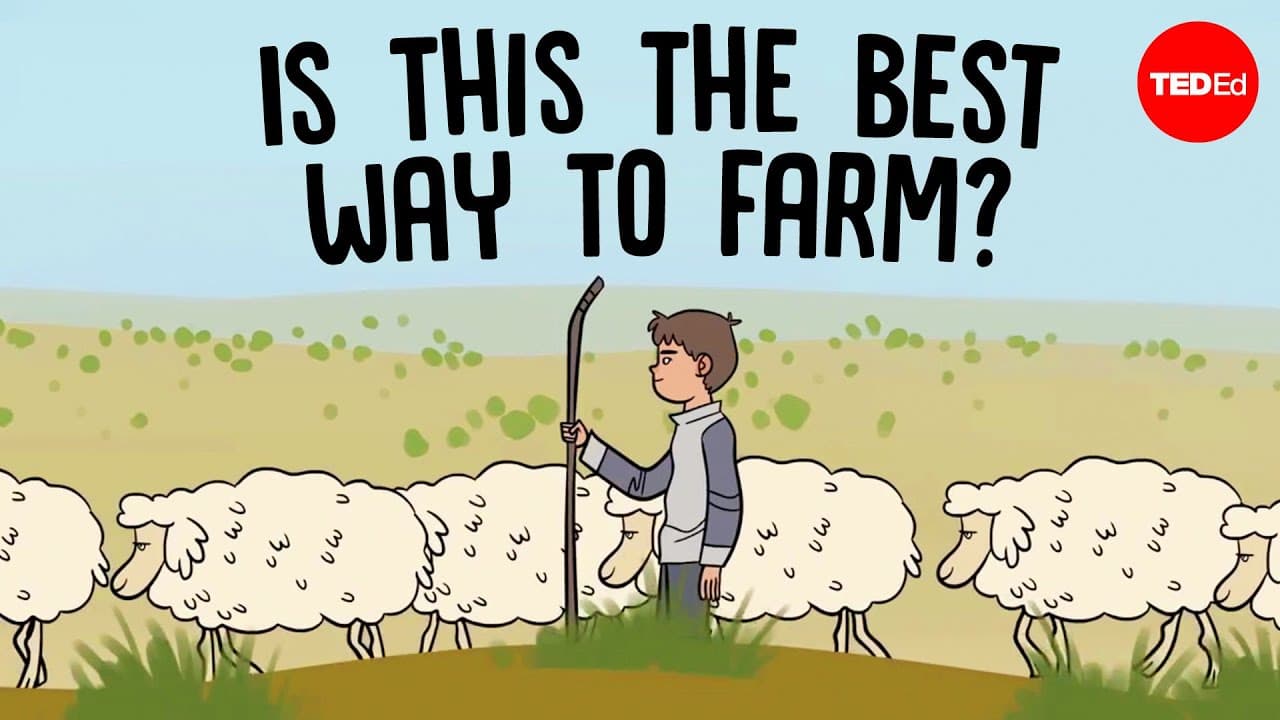
Nomadic farmers, or pastoralists, are facing significant modern challenges such as restrictive land policies and climate change that threaten their traditional lifestyles. These policies have reduced their access to vital resources, leading to economic instability and ecological harm. Grassroots movements are advocating for reforms that recognize the value of pastoral mobility and improve their access to markets, healthcare, and education.
Transcript
2,000 years after humanity domesticated crops and livestock, some farmers kicked off humanity’s next agricultural innovation: pastoralism. These pioneering livestock farmers strategically guided animals to seasonal grazing areas. Their mobile lifestyle allowed them to develop trade relationships with communities and farmers along their routes. And ... Read More
Key Insights
- 💱 Pastoralism has been a sustainable agricultural practice for thousands of years, adapting to environmental changes and supporting local economies.
- 🥺 The last century has seen detrimental political policies that restrict pastoralists' mobility, leading to poverty and ecological harm.
- 😀 Sub-Saharan Africa's pastoralists provide significant contributions to the continent's meat and milk supply despite facing numerous modern challenges.
- 🥹 Traditional knowledge held by pastoralists about land management is vital for addressing climate change and sustaining ecosystems.
- 👋 Informal markets for pastoralist goods often exploit producers, leaving them with unstable incomes and dependency on expensive intermediaries.
- 💦 Grassroots movements are working to reshape policies and markets that negatively impact pastoralists, advocating for their rights and sustainable practices.
- 🕵️♀️ Gender equality in pastoralism is crucial; addressing the needs of female pastoralists can strengthen communities and enhance overall resilience.
Install to Summarize YouTube Videos and Get Transcripts
Explore YouTube Video Summarizer or Get YouTube Transcript Extractor
Questions & Answers
Q: What is pastoralism and how has it evolved over time?
Pastoralism is an ancient agricultural practice where communities raise livestock and move them between seasonal grazing areas. Over thousands of years, this practice evolved to include trade relationships among communities, leading to social status and wealth for pastoralists. However, modern challenges have threatened this way of life.
Q: How do political policies affect pastoralists in sub-Saharan Africa?
Political policies have restricted pastoralists' movements, limiting their access to essential resources like healthcare and education. By designating specific areas for grazing and privatizing lands, these policies have resulted in poorer economic conditions, vulnerability to climate change, and loss of traditional ecological knowledge.
Q: Why is mobility important for pastoralists, especially in the context of climate change?
Mobility allows pastoralists to adapt to changing climatic conditions by following rain patterns and avoiding drought-affected areas. Historically, this adaptability helped maintain healthy herds, crucial for both food security and economic stability. Restricted movement undermines their resilience against climate change.
Q: What are some of the challenges faced by pastoralists in the marketplace?
Pastoralists often have to sell their products in informal markets with little oversight, leading to low and volatile prices. They also face competition with each other and depend on intermediaries who charge high transaction fees, diminishing their profits and economic stability.
Q: What initiatives are being pursued to support pastoralists in sub-Saharan Africa?
Various initiatives are underway, such as advocating for the restoration of protected grazing areas, establishing mobile health clinics, enhancing education services, and creating fair market systems. These initiatives aim to empower pastoralists and improve their livelihoods while recognizing their vital role in sustaining ecosystems.
Q: How does traditional pastoralism contribute to environmental management?
Traditional pastoralists have historically maintained healthy grasslands through managed grazing practices, preventing overgrazing and enhancing soil fertility with livestock manure. Their seasonal migration patterns naturally balance land use and livestock populations, making them key players in ecological health.
Q: How can the plight of female pastoralists be addressed?
Addressing the challenges faced by female pastoralists involves ensuring equal access to resources and fair pricing for their products. Empowering women through education, training, and support in market systems can help elevate their status and improve their contributions to pastoral economies.
Q: What role do grassroots movements play in advocating for pastoralist rights?
Grassroots movements are crucial for advocating the rights and needs of pastoralist communities, pushing for policies that recognize their mobility and traditional knowledge. By collaborating with local and international organizations, these movements strive to create sustainable solutions that empower pastoralists economically and socially.
Summary & Key Takeaways
-
Pastoralism, an ancient agricultural practice, empowers communities by promoting wealth, social status, and political independence through seasonal animal grazing.
-
Political and economic policies in the last century have hindered pastoralists' access to resources, making them increasingly vulnerable to climate change and reducing their economic resilience.
-
Numerous grassroots movements and NGOs are advocating for solutions that restore grazing reserves, enhance healthcare and education services, and improve market conditions for pastoralists.
Read in Other Languages (beta)
Share This Summary 📚
Summarize YouTube Videos and Get Video Transcripts with 1-Click
Try YouTube Summary with ChatGPT & Claude or YouTube Transcript Generator
Explore More Summaries from TED-Ed 📚


Summarize YouTube Videos and Get Video Transcripts with 1-Click
Try YouTube Summary with ChatGPT & Claude or YouTube Transcript Generator