Conscientious Objectors - Water - "Wastage" I OUT OF THE TRENCHES
TL;DR
Discusses WWI conscientious objectors and water logistics challenges.
Transcript
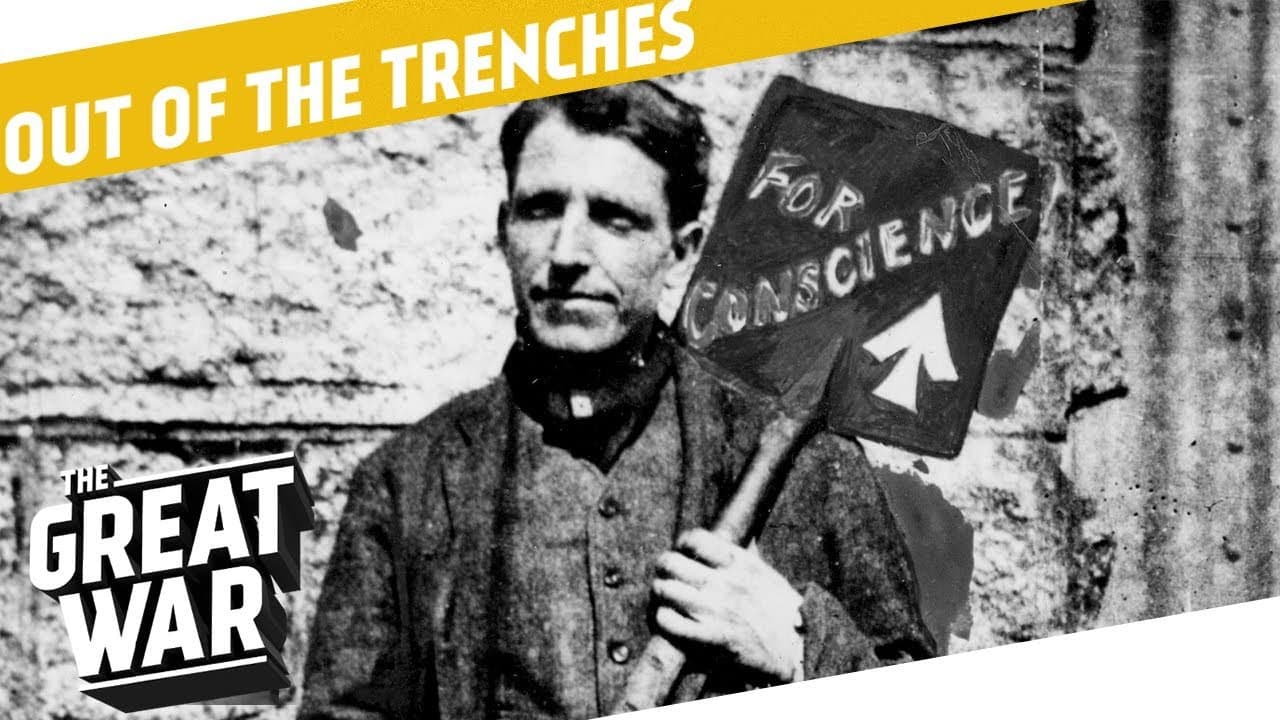
i'm indy neidell and this is out of the trenches where i sit here in my chair of wisdom and answer your questions about the first world war alvaro Garcia writes hello Indian crew I recently read about people in England who refused to serve and how they were treated my question is how did each nation deal with conscientious objectors ok conscientiou... Read More
Key Insights
- Conscientious objectors (COs) in WWI refused to fight due to religious or moral objections, with varied treatment across nations.
- Germany, Austria, and Russia did not tolerate COs, often sending them for psychiatric evaluation or military trial.
- The UK allowed COs to apply for exemption, but only a small percentage were granted unconditional exemptions.
- Water was a critical resource on WWI frontlines, with armies needing to ensure clean water supply to prevent disease.
- Logistics for water supply involved complex infrastructure for treatment, storage, and transportation to troops.
- Casualties not part of major battles were labeled as 'wastage', including deaths from artillery, illness, and accidents.
- The Canadian Expeditionary Force saw significant 'wastage', with many deaths occurring outside major battles.
- The military medical system aimed to reduce wastage by treating conditions like shell shock to prevent further losses.
Install to Summarize YouTube Videos and Get Transcripts
Explore YouTube Video Summarizer or Get YouTube Transcript Extractor
Questions & Answers
Q: How were conscientious objectors treated in different countries during WWI?
Conscientious objectors faced varied treatment across countries in WWI. In Germany, Austria, and Russia, objectors were often seen as mentally ill or punished harshly. The UK allowed objectors to apply for exemptions, but only a small number received unconditional exemptions, with many assigned to non-combatant duties or work camps.
Q: What challenges did armies face regarding water supply on the frontlines?
Armies faced significant challenges in supplying clean water to the frontlines during WWI. The lack of potable water led to disease outbreaks, necessitating the construction of infrastructure to treat, store, and transport water. This involved pipelines, vehicles, and containers to ensure soldiers received the necessary supply for drinking and sanitation.
Q: What does the term 'wastage' refer to in the context of WWI?
In WWI, 'wastage' referred to casualties that occurred outside of major battles. These included deaths from artillery, illness, and accidents. The term highlighted the random and often unavoidable nature of such losses, which did not directly contribute to battle outcomes but still depleted military resources and personnel.
Q: How did the UK handle conscientious objectors during WWI?
The UK allowed conscientious objectors to apply for exemptions from military service through local tribunals. While nearly 16,000 applied, only 350 received unconditional exemptions. Others were assigned to non-combatant roles or work camps, and a small number who refused all service were incarcerated and lost voting rights post-war.
Q: What was the impact of inadequate water supply on WWI battles?
Inadequate water supply during WWI led to significant health issues among troops, such as typhus, malaria, and dysentery. These outbreaks weakened forces, impacting their ability to fight effectively. Ensuring a reliable water supply was crucial for maintaining troop health and operational capability on the frontlines.
Q: What role did logistics play in water supply during WWI?
Logistics played a critical role in ensuring water supply during WWI. Armies had to develop systems for sourcing, treating, and transporting water to the frontlines. This involved creating infrastructure like pipelines and using vehicles to deliver water, ensuring soldiers had access to clean water for drinking and sanitation.
Q: How did the concept of 'wastage' affect military strategies in WWI?
The concept of 'wastage' influenced military strategies by highlighting the need to minimize unnecessary losses. The military medical system aimed to reduce wastage by treating conditions like shell shock to prevent further casualties. Understanding wastage helped command better manage resources and personnel in a war of attrition.
Q: What measures did armies take to ensure water supply on the frontlines?
Armies took several measures to ensure water supply on the frontlines, including building pipelines, treating water to make it potable, and transporting it in containers. They established logistics systems to deliver water to soldiers, accounting for the daily consumption needs and the challenges of maintaining supply lines amidst ongoing battles.
Summary & Key Takeaways
-
Conscientious objectors in WWI faced different treatments depending on their country's stance on military service. Germany and Russia were intolerant, often punishing objectors, while the UK allowed some exemptions through tribunals.
-
Water logistics were crucial on the WWI frontlines, as clean water was necessary to prevent diseases. Armies had to establish infrastructure to treat, store, and transport water to troops in the trenches.
-
The concept of 'wastage' in WWI referred to casualties outside major battles, including those from artillery, disease, and accidents. This term highlighted the random nature of many war deaths and the efforts to reduce unnecessary losses.
Read in Other Languages (beta)
Share This Summary 📚
Summarize YouTube Videos and Get Video Transcripts with 1-Click
Try YouTube Summary with ChatGPT & Claude or YouTube Transcript Generator
Explore More Summaries from The Great War 📚

Summarize YouTube Videos and Get Video Transcripts with 1-Click
Try YouTube Summary with ChatGPT & Claude or YouTube Transcript Generator