What Foods Are Most Harmful to Your Heart Health?
TL;DR
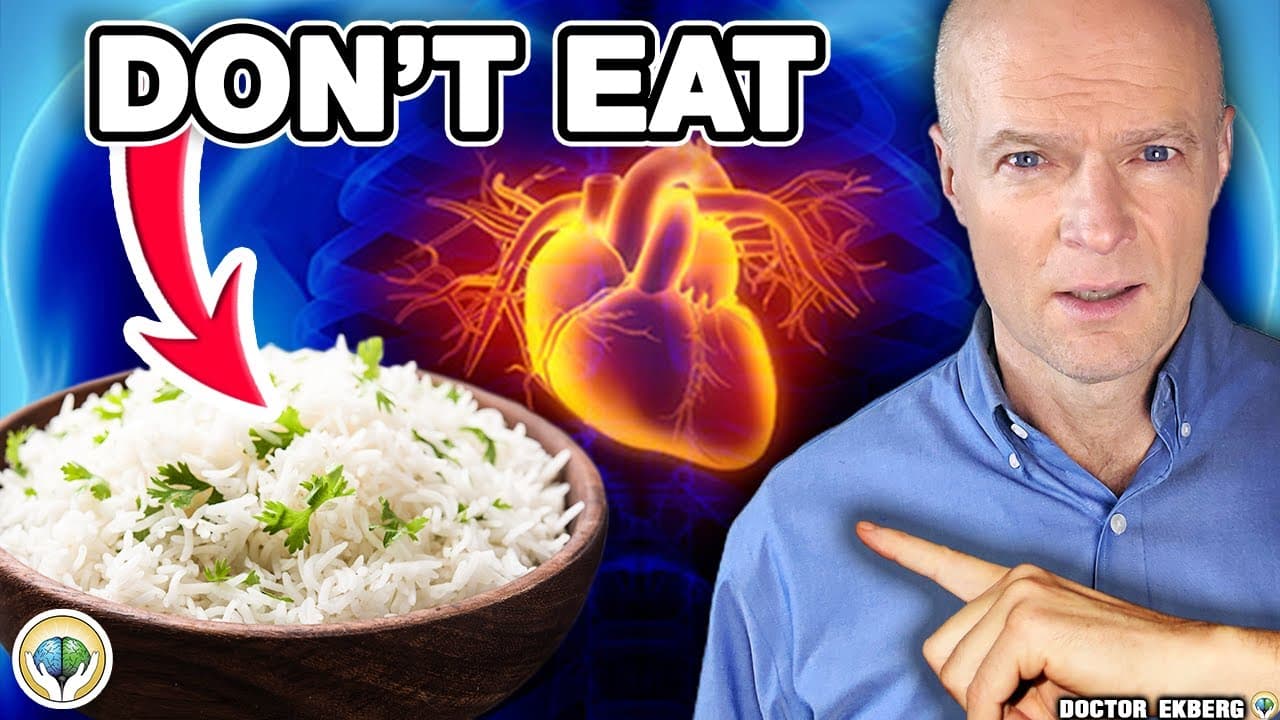
The top foods that harm heart health include sugar, donuts, ultra-processed foods, fried food, bread, alcohol, seed oils, margarine, and rice. These foods contribute to inflammation, oxidative stress, and insulin resistance, which are key factors in the development of cardiovascular disease. Reducing or avoiding these foods can significantly lower heart disease risk.
Transcript
Hello Health Champions today I'm going to talk about the top 10 foods that destroy your heart and that's super important to understand because cardiovascular disease is the number one killer of people in the world 18 million people a year die globally from this which is twice as many as the number two problem which is cancer and that numbe... Read More
Key Insights
- ♂️ Cardiovascular disease is the leading cause of death worldwide, surpassing cancer. It includes heart attacks and strokes, both caused by damaged blood vessels.
- 🥦 There is a lack of agreement on which foods specifically cause cardiovascular disease, with saturated fat often being blamed despite evidence suggesting otherwise.
- 🍪 The categories of foods that are often mixed together without understanding their impact on heart disease include animal products, pastries/biscuits, and processed oils.
- 🍚 Rice is a potential contributor to heart disease, especially when eaten in excess or alongside processed foods.
- 🍞 Bread, particularly white bread, contains refined carbohydrates and can contribute to heart disease if regularly consumed.
- 🍺 Alcohol, especially in excess, can lead to fatty liver disease, which is associated with an increased risk of cardiovascular disease.
- 🌽 Ultra processed foods, which make up a significant percentage of the modern diet, are full of sugar, toxic chemicals, and unhealthy seed oils.
- 🍩 Donuts combine multiple risk factors for heart disease, including high amounts of sugar, refined flour, seed oils, and often artificial flavors.
Install to Summarize YouTube Videos and Get Transcripts
Explore YouTube Video Summarizer or Get YouTube Transcript Extractor
Questions & Answers
Q: How does insulin resistance contribute to heart disease?
Insulin resistance, a condition where cells become resistant to the hormone insulin, is a major driver of inflammation and oxidative stress. This resistance prevents glucose from entering cells efficiently, leading to high blood sugar levels and increased insulin production. Over time, the chronic elevation of insulin and glucose promotes inflammation and damages blood vessels, contributing to heart disease.
Q: Why are seed oils harmful?
Seed oils, such as soybean oil, canola oil, and corn oil, are highly processed and contain an imbalanced ratio of omega-6 fatty acids to omega-3 fatty acids. This imbalance promotes inflammation in the body, contributing to the development of heart disease. Additionally, seed oils often undergo harsh processing methods, including high heat and chemical extraction, which can oxidize the oils and make them rancid, further increasing their detrimental effects on cardiovascular health.
Q: What makes sugar a leading contributor to heart disease?
Sugar, especially in the form of high fructose corn syrup, is high in fructose, which the liver metabolizes in a similar way to alcohol. Excessive fructose consumption leads to fatty liver disease and insulin resistance, contributing to inflammation and oxidative stress. Sugar is highly addictive, and its widespread presence in processed foods makes it difficult to avoid, further increasing the risk of heart disease.
Q: How does the deep frying process affect the healthiness of food?
Deep frying food, especially in unhealthy seed oils, can lead to the formation of harmful compounds, such as trans fats, and increased oxidative stress. The high temperatures and prolonged exposure to oil during deep frying cause the degradation and oxidation of fats, leading to the production of free radicals that damage cells and tissues in the body. The consumption of fried foods has been strongly associated with an increased risk of heart disease.
Q: Can you explain the relationship between insulin resistance and heart disease?
Insulin resistance, often caused by a high consumption of carbohydrates, especially refined and processed ones, leads to chronically elevated levels of insulin and glucose in the blood. These elevated levels promote inflammation, oxidative stress, and damage to the blood vessels, contributing to the development of heart disease. By addressing insulin resistance through dietary and lifestyle modifications, the risk of heart disease can be reduced.
Q: Are all carbohydrates bad for heart health?
Not all carbohydrates are inherently bad for heart health. It is the excessive consumption of refined and processed carbohydrates that can contribute to inflammation, insulin resistance, and heart disease. Whole, unprocessed carbohydrates, such as fruits, vegetables, and whole grains, can be part of a heart-healthy diet when consumed in moderation and as part of a balanced eating plan.
Q: How does alcohol consumption impact heart health?
Moderate alcohol consumption may have some potential heart benefits, but excessive drinking can be detrimental to cardiovascular health. Heavy alcohol consumption can lead to fatty liver disease, increased oxidative stress, inflammation, and elevated blood pressure, all of which contribute to the development of heart disease. It is important to consume alcohol in moderation and be mindful of its potential negative effects on heart health.
Q: Can you explain the role of inflammation in heart disease?
Inflammation is a key contributor to the development and progression of heart disease. Chronic inflammation can damage blood vessels, promoting the formation of fatty plaques and atherosclerosis. Inflammatory processes can also trigger the formation and rupture of blood clots, leading to heart attacks and strokes. Reducing inflammation through a healthy diet and lifestyle choices can help mitigate the risk of heart disease.
Summary & Key Takeaways
-
Cardiovascular disease, including heart attacks and strokes, is the leading cause of death globally, and food plays a significant role in its development.
-
Inflammation and oxidative stress, caused primarily by insulin resistance, are the main factors that damage blood vessels and contribute to heart disease.
-
Certain foods, such as rice, bread, alcohol, ultra-processed foods, fried food, margarine, donuts, sugar, seed oils, and fast food, can exacerbate inflammation, oxidative stress, and insulin resistance, increasing the risk of heart disease.
Read in Other Languages (beta)
Share This Summary 📚
Summarize YouTube Videos and Get Video Transcripts with 1-Click
Try YouTube Summary with ChatGPT & Claude or YouTube Transcript Generator
Explore More Summaries from Dr. Sten Ekberg 📚






Summarize YouTube Videos and Get Video Transcripts with 1-Click
Try YouTube Summary with ChatGPT & Claude or YouTube Transcript Generator