Top 5 Best Fish You Should NEVER Eat & 5 Fish You Must Eat
TL;DR
Learn which fish are safe and beneficial to eat due to their high omega-3 content and low mercury levels.
Transcript
The five best fish to eat and the five worst fish to eat fish can be extremely nutritious or at least it used to be but things have changed in the last 50 years with pollution and heavy metals and farm-raised fish and so forth so today people are very confused they hear good things about fish but they're kind of scared to eat it so today we're goin... Read More
Key Insights
- 🐟 Fish contain high levels of EPA and DHA, which are important for brain, nervous system, and eye health. These fatty acids are common deficiencies due to decreased fish consumption.
- 🐠 Omega-3s in fish are more beneficial than those found in plant fats, as conversion of plant fats to EPA and DHA is poor.
- 🍣 Levels of mercury in fish vary based on size, age, and location. Small and young fish tend to have lower mercury levels.
- 🐟 Fish like swordfish, shark, and tile fish have high mercury levels and should be avoided to prevent mercury toxicity.
- 🐠 Farm-raised fish, including tilapia and catfish, should be avoided due to their unnatural diets, high antibiotic use, and altered fatty acid ratios.
- 🐦 Fish such as trout, shrimp, and croaker have lower mercury levels and can be eaten in moderation for protein, but don't offer significant omega-3 benefits.
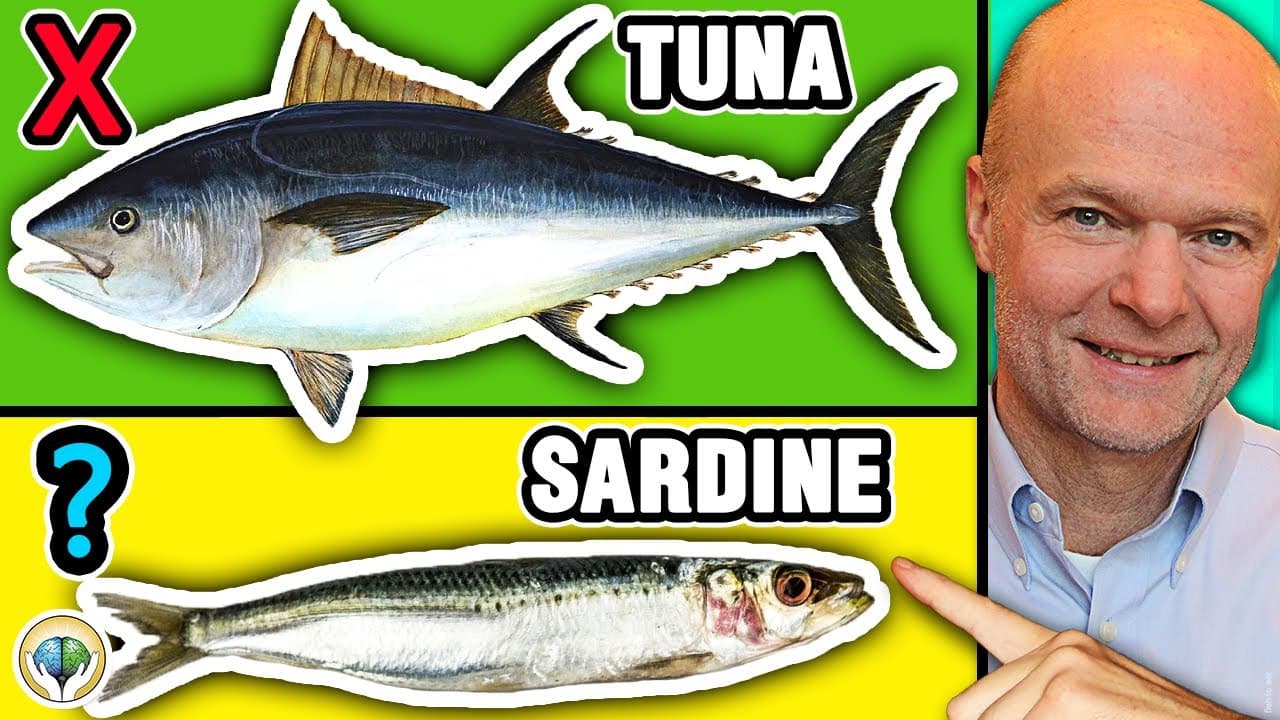
- 🐡 The safest fish to consume are herring, sardines, mackerel, and salmon, as they have low mercury levels and high omega-3 content.
- 🍣 Wild-caught fish is preferable to farm-raised fish, as they have better fatty acid ratios and less potential for contamination.
Install to Summarize YouTube Videos and Get Transcripts
Explore YouTube Video Summarizer or Get YouTube Transcript Extractor
Questions & Answers
Q: Why are long-chain fatty acids like EPA and DHA important for our health?
EPA and DHA are essential for brain, nervous system, and eye health. They are primary components of cell membranes in our bodies and play a role in preventing heart disease due to their anti-inflammatory properties.
Q: Can plant-based omega-3 sources provide the same health benefits as fish?
While plant-based omega-3 sources have a different form of omega-3s called linolenic acid, the conversion rate to EPA and DHA is very low (less than 1%). Therefore, consuming fish oil or fish high in omega-3s is more effective in obtaining the necessary nutrients.
Q: What factors determine the mercury levels in fish?
Mercury levels in fish depend on the size, age, and feeding habits of the fish. Predatory fish that eat other fish and live longer tend to have higher mercury content, while small, young fish that consume primarily algae and plant material are safer options.
Q: Why should farm-raised fish be avoided?
Farm-raised fish, including tilapia and catfish, are not recommended due to their unnatural habitat, poor diet, and high antibiotic use. They can accumulate toxins, have imbalanced omega-3 to omega-6 ratios, and lack the natural color and nutrients found in wild-caught fish.
Q: How can we ensure that we are consuming safe and nutritious fish?
Choose small, young fish with low mercury levels such as sardines, mackerel, and salmon. Look for wild-caught options and avoid farm-raised fish. These fish are not only safe in terms of mercury levels but also provide high amounts of beneficial omega-3 fatty acids.
Summary & Key Takeaways
-
Fish provide valuable nutrients, especially long-chain fatty acids EPA and DHA, which are crucial for brain, nervous system, and eye health.
-
Omega-3s from fish are more effective than those from plant sources due to their higher conversion rate.
-
The best fish to eat include small, young fish with low mercury levels, such as sardines, mackerel, and salmon, while large predatory fish, like tilefish and swordfish, should be avoided due to high mercury content. Farm-raised fish are also not recommended.
Questions:
-
Why are long-chain fatty acids like EPA and DHA important for our health?
-
Can plant-based omega-3 sources provide the same health benefits as fish?
-
What factors determine the mercury levels in fish?
-
Why should farm-raised fish be avoided?
-
How can we ensure that we are consuming safe and nutritious fish?
Answers:
Q: Why are long-chain fatty acids like EPA and DHA important for our health?
EPA and DHA are essential for brain, nervous system, and eye health. They are primary components of cell membranes in our bodies and play a role in preventing heart disease due to their anti-inflammatory properties.
Read in Other Languages (beta)
Share This Summary 📚
Summarize YouTube Videos and Get Video Transcripts with 1-Click
Try YouTube Summary with ChatGPT & Claude or YouTube Transcript Generator
Explore More Summaries from Dr. Sten Ekberg 📚






Summarize YouTube Videos and Get Video Transcripts with 1-Click
Try YouTube Summary with ChatGPT & Claude or YouTube Transcript Generator