Marc Faber: We Have Colossal Credit Bubble in China
TL;DR
Marc Faber discusses economic downturns in the US and China.
Transcript
you said Mark you said a couple of days ago that basically you think the US is probably in a recession what makes you say that are are there a specific number of data checks that you're looking at well if I look at exports if I look at industrial production and uh recent car sales and the slowing down of credit growth and in particular the Dismal p... Read More
Key Insights
- Marc Faber believes the US is likely in a recession, citing poor performance in exports, industrial production, and commodities.
- He criticizes the Federal Reserve for delaying interest rate hikes, suggesting it may lead to significant economic consequences.
- Faber predicts a downturn in US stock markets, estimating a potential 20-40% decline from previous peaks.
- He highlights a disconnect between asset prices and real economic activity globally, emphasizing overvaluation concerns.
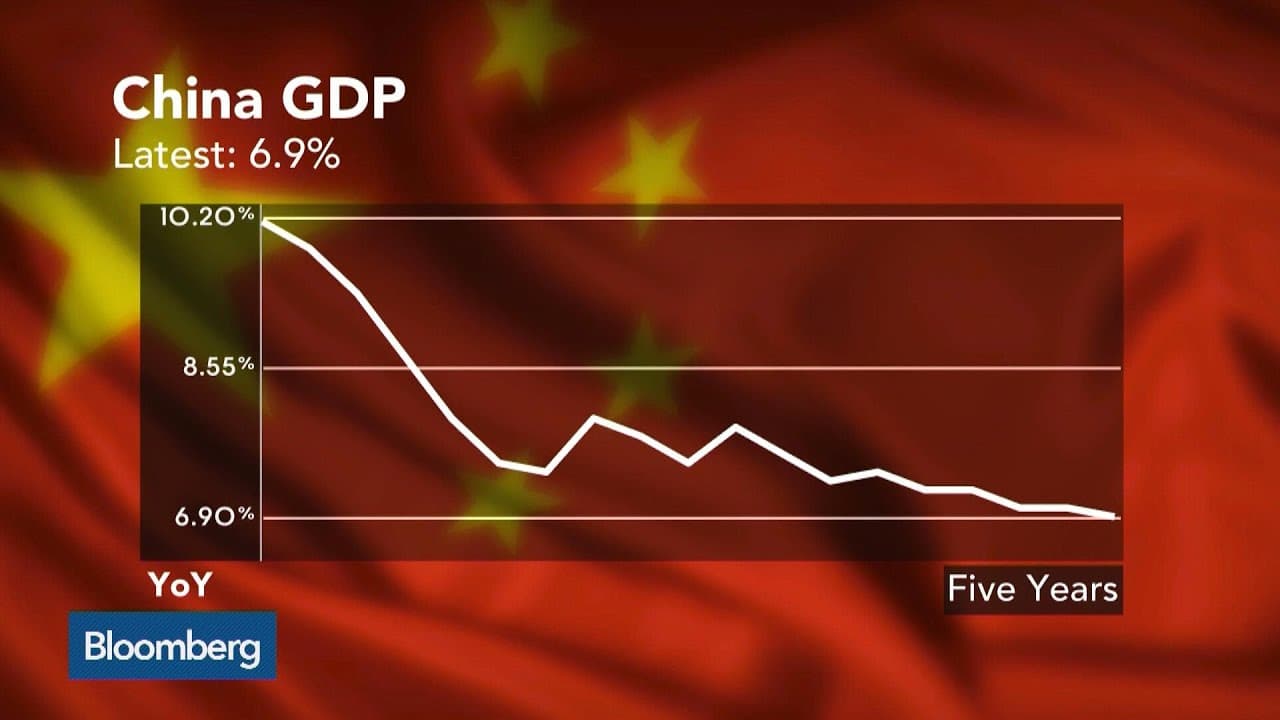
- Faber warns of a colossal credit bubble in China, with potential for significant economic slowdown or currency devaluation.
- He expresses skepticism about the effectiveness of currency devaluations in boosting economic activity, referencing Japan and Europe.
- Faber sees potential in 10 and 30-year US Treasury bonds, expecting interest rates to decrease amid economic weakness.
- He recommends emerging markets and gold as better long-term investment options compared to the US, citing undervaluation.
Install to Summarize YouTube Videos and Get Transcripts
Explore YouTube Video Summarizer or Get YouTube Transcript Extractor
Questions & Answers
Q: What indicators does Marc Faber use to suggest the US is in a recession?
Marc Faber points to several indicators suggesting a US recession, including weak exports, declining industrial production, and poor commodity performance. He also notes the slowing credit growth and dismal performance of equities, with the majority of stocks down by 20% or more, despite stable stock market indices driven by a few large companies.
Q: Why does Faber criticize the Federal Reserve's interest rate policy?
Faber criticizes the Federal Reserve for delaying interest rate hikes since 2010-2011, when the economy had momentum. He argues that raising rates earlier could have prevented the current economic slowdown. Faber believes this delay will be seen as a significant failure in monetary policy, potentially exacerbating the recession.
Q: What is Faber's outlook for the US stock market in 2016?
Faber predicts a downturn in the US stock market, expecting it to fall 20-40% from its peak of 2,134 on the S&P 500 in May 2015. He believes the market is overvalued due to inflated asset prices, and a correction is likely as real economic activity continues to weaken.
Q: What concerns does Faber have about the Chinese economy?
Faber is concerned about a colossal credit bubble in China, which may lead to a significant economic slowdown or currency devaluation. He notes that real economic activity has been slowing for two years, despite optimistic fund managers. Faber advises caution, given the potential for a hard landing in some sectors.
Q: How effective does Faber believe currency devaluations are?
Faber is skeptical about the effectiveness of currency devaluations in stimulating economic activity. He cites Japan and Europe as examples where devaluations have had limited impact. While devaluation is an option for China, Faber doubts it will significantly boost the economy, suggesting other measures may be necessary.
Q: What investment opportunities does Faber see in US Treasury bonds?
Faber sees potential in 10 and 30-year US Treasury bonds, especially if the economy is as weak as he anticipates. He expects interest rates to decrease rather than increase, making these bonds attractive investments. Faber suggests going long on US Treasuries while shorting German bonds due to the current spread.
Q: Why does Faber favor emerging markets and gold over US assets?
Faber favors emerging markets and gold over US assets due to their relative undervaluation and potential for growth. He believes emerging markets have underperformed since 2011, offering better long-term prospects. Gold and gold shares are also seen as depressed, with potential for significant price increases and limited downside risk.
Q: What is Faber's overall outlook for asset markets?
Faber predicts a significant correction across asset markets, comparing it to the Titanic's crash. He believes asset prices are inflated due to a long period of credit expansion and asset inflation since 1981. Faber expects a broad decline, affecting various asset classes, and advises caution in current market conditions.
Summary & Key Takeaways
-
Marc Faber discusses the likelihood of a US recession due to weak exports, industrial production, and commodity performance. He criticizes the Federal Reserve's delayed interest rate hikes and predicts a significant downturn in US stock markets. Faber highlights a disconnect between asset prices and real economic activity worldwide.
-
Faber warns of a colossal credit bubble in China, suggesting potential economic slowdown or currency devaluation. He questions the effectiveness of currency devaluations in boosting economic activity, citing Japan and Europe as examples. Faber sees potential in US Treasury bonds, expecting interest rates to decrease amid economic weakness.
-
Faber recommends investing in emerging markets and gold over US assets, citing undervaluation and potential for growth. He predicts a significant correction in asset markets, comparing it to the Titanic's crash. Despite his pessimistic outlook, Faber remains optimistic about certain investment opportunities.
Read in Other Languages (beta)
Share This Summary 📚
Summarize YouTube Videos and Get Video Transcripts with 1-Click
Try YouTube Summary with ChatGPT & Claude or YouTube Transcript Generator
Explore More Summaries from Bloomberg Originals 📚



Summarize YouTube Videos and Get Video Transcripts with 1-Click
Try YouTube Summary with ChatGPT & Claude or YouTube Transcript Generator