Face It, You're Being Watched
TL;DR
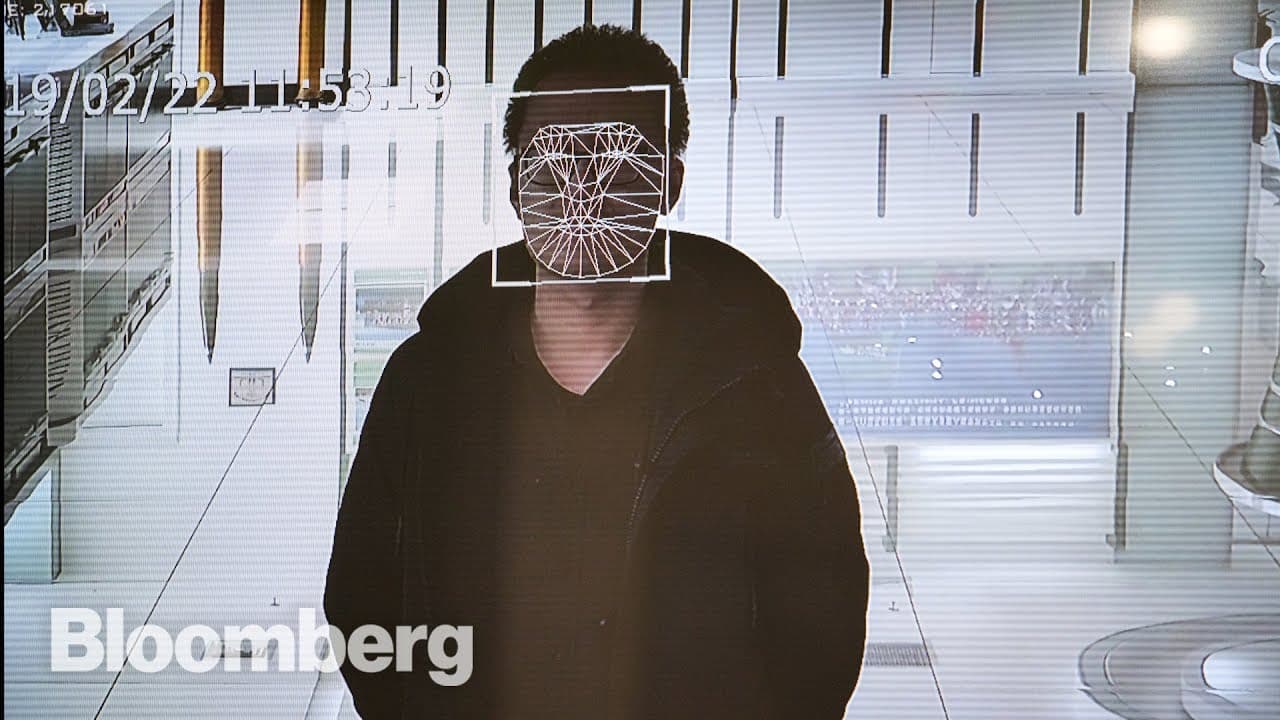
Facial recognition technology raises civil liberty concerns despite its convenience.
Transcript
In a tweet thread exchanged with JetBlue on April 17th, writer Mackenzie Fegan had a few questions about the airline’s new boarding procedure. No boarding pass. No ID. Instead, a camera and screen verified her identity against a US Customs and Border Patrol database, then let her on the plane. Some passengers might consider the increasing use of fa... Read More
Key Insights
- Facial recognition technology is increasingly used in everyday life, sparking debates about its convenience versus potential for misuse.
- San Francisco became the first U.S. city to ban police use of facial recognition, citing civil liberties concerns.
- Facial recognition technology has rapidly advanced since 2012, aided by high-definition cameras and large photo databases.
- The technology is used for identifying criminals and missing children, but raises privacy concerns, especially in surveillance-heavy regions like China.
- There is a significant accuracy disparity in facial recognition, with white males being more accurately identified than darker-skinned women.
- Major tech companies like Microsoft and Amazon have expressed discomfort with deploying facial recognition without clear regulations.
- The Safe Face Pledge aims to restrict the use of facial AI in autonomous weapons and law enforcement without explicit laws.
- Despite some companies' reluctance, others continue to advance facial recognition technology, potentially increasing surveillance risks.
Install to Summarize YouTube Videos and Get Transcripts
Explore YouTube Video Summarizer or Get YouTube Transcript Extractor
Questions & Answers
Q: What prompted San Francisco to ban facial recognition technology for police use?
San Francisco banned facial recognition technology for police use due to concerns over civil liberties and the potential for creating a surveillance state. The city aimed to prevent the misuse of technology in monitoring citizens, particularly in ways that could infringe on privacy and lead to authoritarian practices.
Q: How has facial recognition technology evolved since its inception?
Facial recognition technology has evolved significantly since its inception, particularly accelerating around 2012. This evolution was driven by the availability of high-definition cameras, advancements in machine learning, and access to large databases of photos, which collectively improved the accuracy and capability of the technology.
Q: What are the main concerns associated with facial recognition technology?
The main concerns associated with facial recognition technology include privacy invasion, potential misuse by law enforcement, and the creation of surveillance states. Additionally, there are issues with accuracy disparities, particularly affecting darker-skinned women, which can lead to biased outcomes and further civil liberty infringements.
Q: Why is there a disparity in the accuracy of facial recognition technology?
The disparity in the accuracy of facial recognition technology is primarily due to biased data sets used in training the algorithms. Studies, such as one from MIT Media Lab, have shown that the technology is more accurate for white males compared to darker-skinned women, reflecting the lack of diversity in the data used to develop these systems.
Q: What stance have major tech companies taken on facial recognition technology?
Major tech companies like Microsoft and Amazon have expressed discomfort with deploying facial recognition technology without clear regulations. They advocate for legal frameworks to govern its use, highlighting the need for caution in implementing technology that has significant implications for privacy and civil liberties.
Q: What is the Safe Face Pledge, and what does it aim to achieve?
The Safe Face Pledge is an initiative by the Algorithmic Justice Center and Georgetown University Law Center, aiming to restrict the use of facial AI in autonomous weapons and law enforcement without explicit laws. It encourages companies to commit to ethical guidelines, ensuring technology is used responsibly and with proper oversight.
Q: How does facial recognition technology work?
Facial recognition technology works by analyzing images from cameras and identifying individuals based on unique facial features. It measures distances between key facial points and compares these measurements against a database to identify or verify individuals, utilizing advanced algorithms and machine learning techniques to enhance accuracy.
Q: What are the potential benefits of facial recognition technology?
Facial recognition technology offers potential benefits such as improving security, aiding law enforcement in identifying criminals, and locating missing persons. It can enhance convenience in everyday activities, like boarding flights without traditional identification, and streamline processes requiring identity verification, though these benefits are tempered by privacy concerns.
Summary & Key Takeaways
-
Facial recognition technology is becoming widespread, offering convenience but also raising significant privacy and civil liberties concerns. San Francisco has banned its use by police, highlighting the potential for misuse in creating a surveillance state. The technology's rapid advancement since 2012 has been fueled by high-definition cameras and large photo databases.
-
While facial recognition can aid in catching criminals and locating missing children, it also poses risks of misuse, particularly in regions with extensive surveillance networks like China. Concerns are heightened by disparities in accuracy, with white males being identified more accurately than darker-skinned women.
-
Major tech companies like Microsoft and Amazon have called for regulations on facial recognition technology, but some companies continue to develop it without such qualms. Initiatives like the Safe Face Pledge seek to limit its use in law enforcement and autonomous weapons without explicit legal frameworks.
Read in Other Languages (beta)
Share This Summary 📚
Summarize YouTube Videos and Get Video Transcripts with 1-Click
Try YouTube Summary with ChatGPT & Claude or YouTube Transcript Generator
Explore More Summaries from Bloomberg Originals 📚



Summarize YouTube Videos and Get Video Transcripts with 1-Click
Try YouTube Summary with ChatGPT & Claude or YouTube Transcript Generator