BMW’s Robertson on 5 Series, Electric Cars, Mexico Plans

TL;DR
BMW discusses new 5 Series, electric cars, and Mexico plant.
Transcript
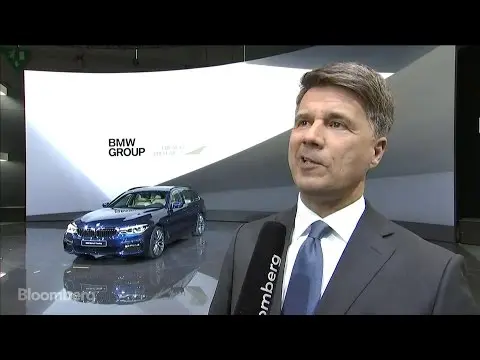
let's start with I think one of your big announcements which is the new Five series we have right behind us here absolutely tell us about this car and why it's important to BMW you know for many people the Five series is the core of the brand when they you're asked to say what does BMW stand for Five series comes out more often than any other answe... Read More
Key Insights
- The BMW 5 Series is a cornerstone of the brand, with the last generation selling 2.3 million units worldwide, highlighting its significance in the automotive market.
- BMW has been a pioneer in the sports activity segment, with SAVs making up 32-33% of their business, and plans to expand this lineup with models like the X2 and X7.
- Electric vehicles are a growing focus for BMW, with the I3 and I8 models already achieving significant sales, and plans to sell 100,000 electric vehicles in a year.
- BMW's new 5 Series plug-in hybrid offers a range of 50 km and a CO2 footprint of 44g, making it attractive for markets with tax incentives for low-emission vehicles.
- The U.S. is BMW's second-largest market, with significant exports from its Spartanburg plant and ongoing investments, including a billion-dollar expansion for the X7.
- BMW is collaborating with Intel and Mobileye to establish standards for autonomous driving, emphasizing the need for consistent regulations across regions.
- BMW's investment in a new plant in Mexico is part of a broader strategy to enhance global production flexibility, allowing for diverse manufacturing capabilities.
- The company aims to maintain a balance between its U.S. and Mexican operations, ensuring strategic production flexibility for global markets.
Install to Summarize YouTube Videos and Get Transcripts
Explore YouTube Video Summarizer or Get YouTube Transcript Extractor
Questions & Answers
Q: What makes the new BMW 5 Series significant for the brand?
The new BMW 5 Series is crucial for the brand as it represents the core of BMW's identity. The last generation sold 2.3 million units globally, underscoring its importance. The latest model is 100 kilos lighter, offers enhanced connectivity, and features semi-autonomous driving, reinforcing its reputation as a business athlete.
Q: How is BMW addressing the trend towards SUVs and crossovers?
BMW has been a leader in the sports activity segment, with SAVs accounting for 32-33% of its business. The company plans to expand its lineup with models like the X2 and X7 to cater to the growing demand for SUVs and crossovers, aiming for a balanced portfolio between SAVs and sedans.
Q: What is BMW's approach to electric vehicles?
BMW is committed to expanding its electric vehicle offerings, with the I3 and I8 models already achieving significant sales. The company plans to sell 100,000 electric vehicles in a year, indicating a strong focus on growing its EV market share and meeting global demand for sustainable transportation.
Q: What are the features of the new 5 Series plug-in hybrid?
The new 5 Series plug-in hybrid offers a range of 50 km and boasts a CO2 footprint of 44g. It achieves a miles-per-gallon rating in the mid-60s, making it an attractive option for markets with tax incentives for low-emission vehicles, and is expected to be a significant seller in many regions.
Q: How important is the U.S. market to BMW?
The U.S. is BMW's second-largest market and home to its largest plant in Spartanburg. BMW exports around $10 billion worth of products from the U.S. and is investing an additional billion dollars to expand production, particularly for the X7 model, highlighting the market's strategic importance.
Q: What is BMW's strategy for autonomous driving?
BMW is partnering with Intel and Mobileye to develop autonomous driving standards, recognizing the need for consistent regulations across regions. This collaboration aims to advance autonomous technology and ensure that BMW remains at the forefront of this significant automotive industry shift.
Q: Why is BMW investing in a plant in Mexico?
BMW's investment in a new plant in Mexico is part of a strategic plan to enhance global production flexibility. The facility will allow BMW to produce a variety of models and derivatives, ensuring that the company can adapt to market demands and optimize its global supply chain.
Q: How does BMW plan to balance production between the U.S. and Mexico?
BMW aims to maintain a strategic balance between its U.S. and Mexican operations, ensuring production flexibility. The company produces global cars that can be sold worldwide, allowing it to adapt manufacturing strategies based on market needs and regulatory environments, supporting its global market presence.
Summary & Key Takeaways
-
BMW's 5 Series is a pivotal model for the brand, leading in sales globally. The new model is lighter, more connected, and features semi-autonomous capabilities, maintaining its status as a business athlete.
-
BMW is expanding its sports activity vehicle lineup, with SAVs representing a significant portion of sales. Upcoming models like the X2 and X7 aim to cater to diverse market demands, including younger demographics.
-
Electric vehicles are gaining momentum at BMW, with the I3 and I8 models showing strong sales growth. The company plans to increase electric vehicle production and sales, aiming for 100,000 units annually.
Read in Other Languages (beta)
Share This Summary 📚
Summarize YouTube Videos and Get Video Transcripts with 1-Click
Try YouTube Summary with ChatGPT & Claude or YouTube Transcript Generator
Explore More Summaries from Bloomberg Originals 📚





Summarize YouTube Videos and Get Video Transcripts with 1-Click
Try YouTube Summary with ChatGPT & Claude or YouTube Transcript Generator