What Was the Upper Silesian Conflict of 1921?
TL;DR
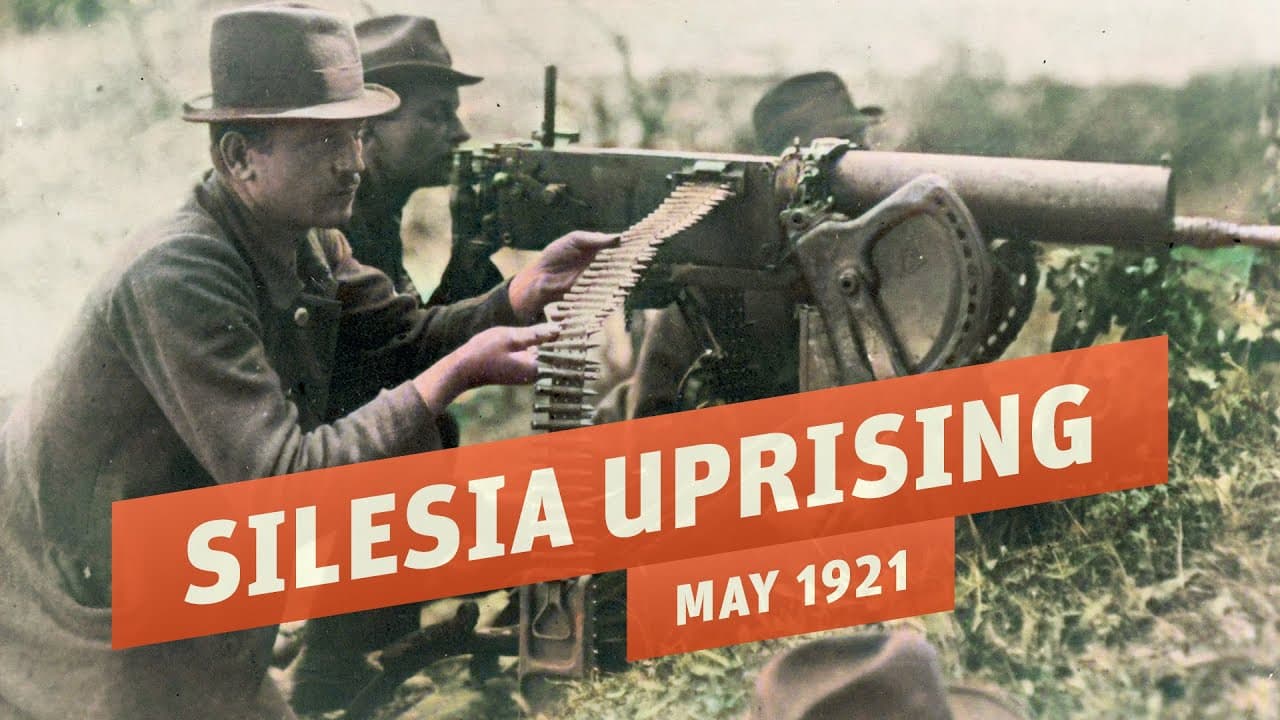
The Upper Silesian conflict of 1921 was marked by violent clashes between German Freikorps and pro-Polish militias over the ethnically mixed region of Upper Silesia. Despite a plebiscite favoring Germany, tensions escalated due to economic interests and nationalistic fervor, with both sides receiving indirect support from their respective governments. The conflict ended with a League of Nations-mediated settlement, which largely favored Poland.
Transcript
hi I'm Jesse Alexander and welcome to the Great War the Versa peace treaty that had brought an end to the first world war had also created a contentious new border between Poland and Germany one of the disputed regions was upper sasia which was part of Germany but was majority polish-speaking a low-level proxy war had flared up in 199 and again in ... Read More
Key Insights
- The Treaty of Versailles created a contentious new border between Poland and Germany, leading to disputes over Upper Silesia.
- Both Germany and Poland sought control over Upper Silesia due to its valuable coal and iron deposits.
- The plebiscite held in 1921 resulted in 60% of voters favoring Germany, despite a Polish-speaking majority.
- The conflict was fueled by economic interests, nationalistic fervor, and radicalization from previous clashes.
- The third Upper Silesian Uprising in 1921 was the most violent, with pro-Polish forces initially gaining ground.
- The German Freikorps and Polish militias engaged in skirmishes, with significant battles over strategic locations like St. Anne's Mountain.
- The League of Nations eventually mediated a settlement, granting Poland most of the industrial areas despite Germany retaining a larger portion of the territory.
- The conflict highlighted the broader geopolitical tensions between France, Britain, and Germany in the post-WWI era.
Install to Summarize YouTube Videos and Get Transcripts
Explore YouTube Video Summarizer or Get YouTube Transcript Extractor
Questions & Answers
Q: What led to the Upper Silesian conflict in 1921?
The Upper Silesian conflict in 1921 was primarily caused by the contentious border created by the Treaty of Versailles between Poland and Germany. Both nations sought control over the region due to its economic value, notably its coal and iron deposits. The plebiscite results, which favored Germany despite a Polish-speaking majority, further escalated tensions, leading to violent clashes.
Q: How did the plebiscite affect the Upper Silesian conflict?
The plebiscite held in March 1921 resulted in 60% of voters favoring Germany, despite a majority of Polish-speaking inhabitants. This outcome did not resolve the border dispute but instead intensified the conflict, as both Germany and Poland sought to assert control over Upper Silesia's valuable resources. The plebiscite's results fueled nationalistic fervor and led to the third and most violent uprising.
Q: What role did economic interests play in the Upper Silesian conflict?
Economic interests were central to the Upper Silesian conflict, as both Germany and Poland aimed to control the region's coal and iron deposits. These resources were crucial for the economic recovery and industrial development of both nations. The desire to secure these economic assets contributed significantly to the intensity and duration of the conflict.
Q: What were the main outcomes of the Upper Silesian conflict?
The main outcome of the Upper Silesian conflict was a settlement mediated by the League of Nations, which awarded Poland most of the industrial areas despite Germany retaining a larger portion of the territory. This decision, while not fully satisfying either side, aimed to maintain the economic unity of the region and reflected broader geopolitical considerations in post-WWI Europe.
Q: How did the League of Nations resolve the Upper Silesian conflict?
The League of Nations resolved the Upper Silesian conflict by appointing experts to finalize the border, ultimately granting Poland most of the industrial areas while allowing Germany to retain a larger portion of the territory. This decision aimed to preserve the economic integrity of the region and was influenced by the broader geopolitical dynamics between France, Britain, and Germany.
Q: What was the significance of St. Anne's Mountain in the conflict?
St. Anne's Mountain was a strategically important location in the Upper Silesian conflict, as it provided a clear observation point over the Oda Valley. Control of the mountain was contested in a key battle, with German forces eventually capturing it from pro-Polish troops. The victory boosted German morale but also highlighted the ongoing military and political challenges in the region.
Q: How did international relations influence the Upper Silesian conflict?
International relations significantly influenced the Upper Silesian conflict, as France supported Polish claims to strengthen its ally against Germany, while Britain favored a resolution that would not overly weaken Germany. The diplomatic tensions between these major powers complicated the conflict and shaped the eventual League of Nations-mediated settlement.
Q: What were the long-term effects of the Upper Silesian conflict?
The long-term effects of the Upper Silesian conflict included continued geopolitical tensions in Europe and the exacerbation of economic difficulties in Germany, contributing to the hyperinflation crisis. The conflict also set a precedent for the League of Nations' role in mediating international disputes, although the settlement left both Poland and Germany dissatisfied and did not fully resolve underlying nationalistic tensions.
Summary & Key Takeaways
-
The Upper Silesian conflict of 1921 involved violent clashes between German Freikorps and pro-Polish militias over the region's allegiance. Despite a plebiscite favoring Germany, both countries sought control due to Upper Silesia's economic value. The League of Nations eventually mediated a settlement that favored Poland, highlighting post-WWI geopolitical tensions.
-
Economic interests and nationalistic fervor fueled the Upper Silesian conflict, with both Germany and Poland indirectly supporting their militias. Key battles, such as those over St. Anne's Mountain, marked the violent struggle. The League of Nations' settlement granted Poland most industrial areas, despite Germany retaining more territory.
-
The conflict over Upper Silesia underscored the broader geopolitical tensions of the post-WWI era. While the plebiscite favored Germany, the League of Nations' settlement largely benefited Poland, reflecting the complex interplay of economic interests and nationalistic aspirations in the region.
Read in Other Languages (beta)
Share This Summary 📚
Summarize YouTube Videos and Get Video Transcripts with 1-Click
Try YouTube Summary with ChatGPT & Claude or YouTube Transcript Generator
Explore More Summaries from The Great War 📚

Summarize YouTube Videos and Get Video Transcripts with 1-Click
Try YouTube Summary with ChatGPT & Claude or YouTube Transcript Generator