De-Extinction, Part One: How It Works, Kinda
TL;DR
De-extinction is the process of bringing back extinct species, but it is not as simple or Jurassic Park-like as it seems.
Transcript
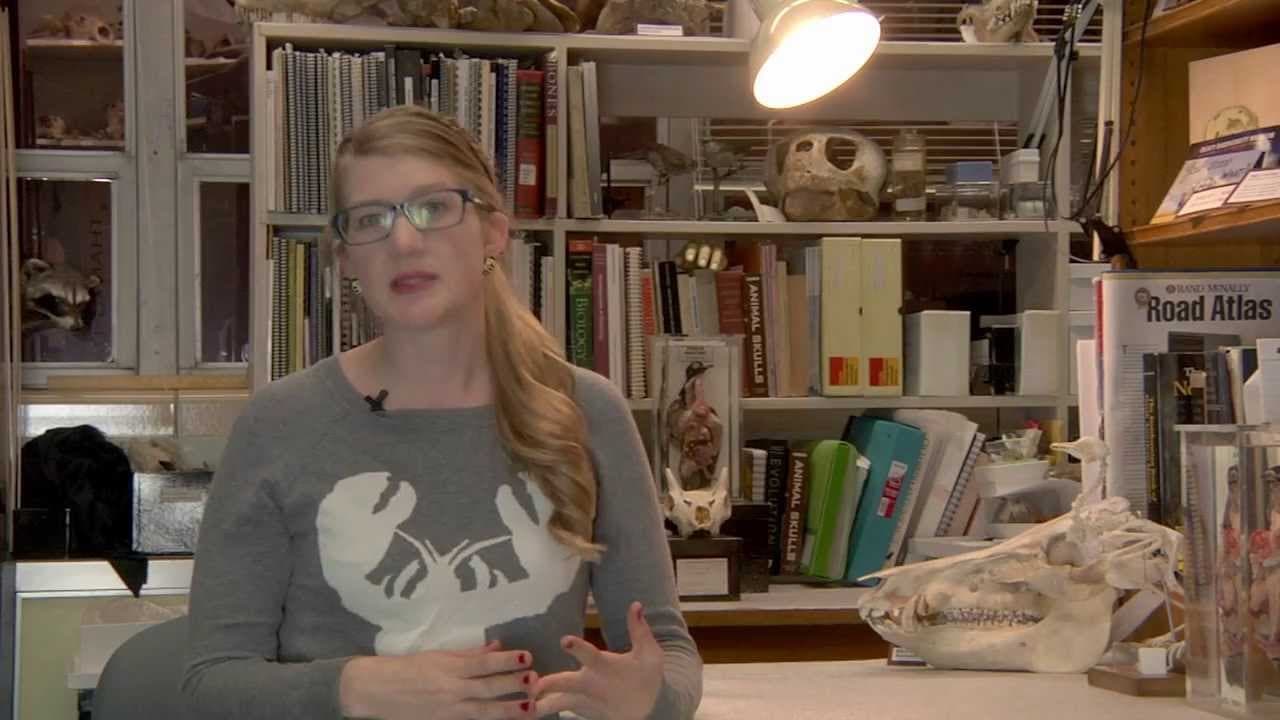
Today we're gonna talk about de-extinction. De-extinction is the process of making extinct things not extinct anymore. There's a lot of buzz about it right now in the scientific community due to recent advancements in synthetic biology. Awesome! I get to ride a brontosaurus! Or do I? Are we really bringing back extinct animals? What is really happe... Read More
Key Insights
- 🙃 De-extinction is an intriguing concept attracting attention due to recent advancements in synthetic biology.
- 🧑🏭 DNA degradation over time and environmental factors create hurdles in accurately bringing back extinct animals.
- 🙃 De-extinction involves creating hybrid modern-extinct species, not resurrecting the exact same animals.
- 🙃 The moral implications of de-extinction raise questions about the value, impact, and responsibilities associated with reviving extinct species.
- ♻️ Identical DNA does not guarantee identical development due to variations in the fetal environment.
- 🙃 Specimens with viable DNA, like museum drawer pigeons or thawing woolly mammoths, are sought for de-extinction efforts.
- 🚚 Close living relatives of extinct species are targeted for de-extinction due to genetic similarities.
Install to Summarize YouTube Videos and Get Transcripts
Explore YouTube Video Summarizer or Get YouTube Transcript Extractor
Questions & Answers
Q: How does de-extinction work?
De-extinction involves extracting genes from viable specimens, replicating unique DNA, and implanting them into the eggs of compatible relatives. However, it is not a straightforward resurrection process and involves many complexities.
Q: Why do scientists target species with close living relatives for de-extinction?
Species with close relatives are targeted because their genetic similarities make it easier to find compatible hosts to carry the hybrid embryos. It is not about bringing back the exact same species but creating modern-extinct hybrids.
Q: What are the challenges in bringing back extinct animals accurately?
Even if enough viable DNA is extracted, the fetal development of an extinct animal within a different living animal can be affected by the different environment, habitat, diet, and other factors. This can lead to inaccurate representations of the extinct species.
Q: What are the moral implications of de-extinction?
The moral implications of de-extinction are complex and require careful consideration. It raises questions about the value of resurrecting extinct species, the potential impact on ecosystems, and the responsibilities of humans in playing "creator."
Summary & Key Takeaways
-
De-extinction involves extracting viable DNA from specimens, such as a museum drawer pigeon or a thawing woolly mammoth, and implanting them into a compatible living relative's egg.
-
The DNA degradation over time makes it challenging to bring back extinct animals exactly as they were, and the environmental impact on the growth of the fetus could result in inaccurate representations.
-
The moral implications of de-extinction remain a topic to be explored.
Read in Other Languages (beta)
Share This Summary 📚
Summarize YouTube Videos and Get Video Transcripts with 1-Click
Try YouTube Summary with ChatGPT & Claude or YouTube Transcript Generator
Explore More Summaries from thebrainscoop 📚

Summarize YouTube Videos and Get Video Transcripts with 1-Click
Try YouTube Summary with ChatGPT & Claude or YouTube Transcript Generator