In Search of Fossil Fish
TL;DR
Discover the diverse and well-preserved fossils from the early Eocene period at Fossil Lake, offering insights into ancient ecosystems.
Transcript
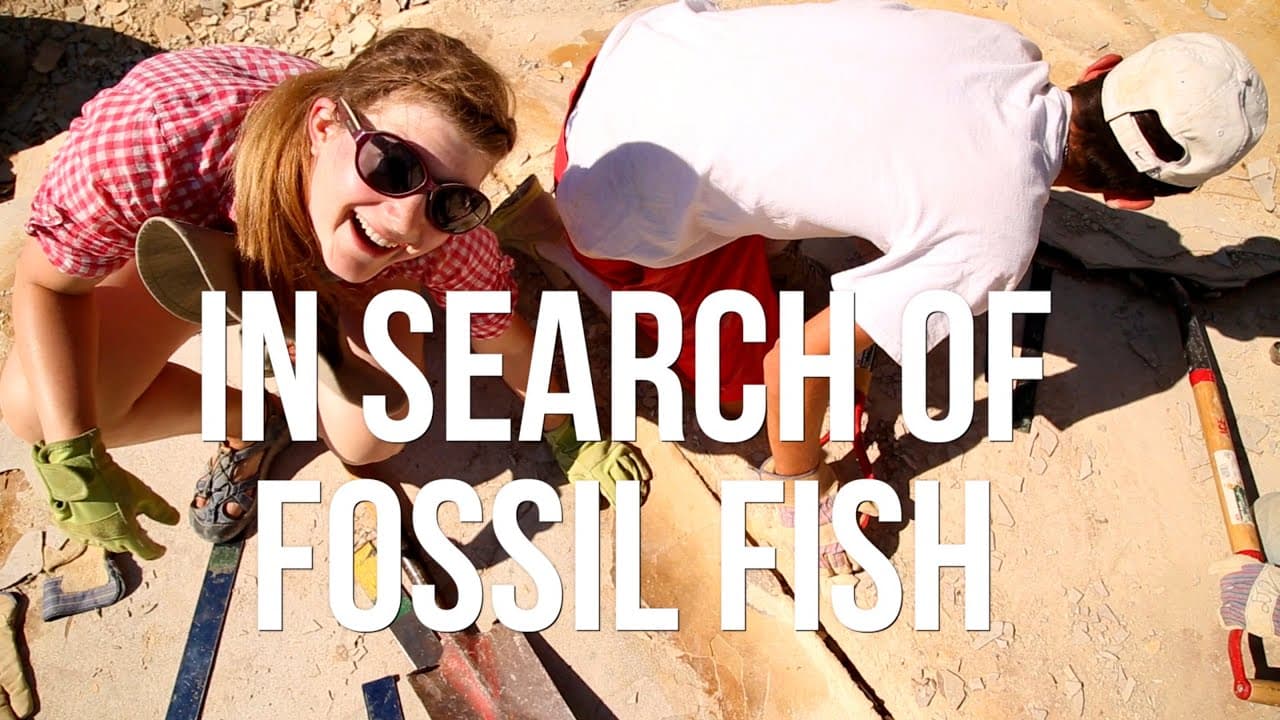
Welcome to Fossil Lake! The area I'm standing in right now is the largest and most complete representation of early Eocene life in the world, about 52 million years old. This area, during the early Eocene, was a lot like what modern Florida is today. You had crocodilians, you had paddlefish, all different kinds of turtles, shrimp, crustaceans, and ... Read More
Key Insights
- ❓ Fossil Lake provides an exceptional glimpse into the biodiversity and behavior of ancient ecosystems during the early Eocene period.
- ✋ The 18-inch layer is a crucial area for discovering fossils, as it contains the highest concentration of well-preserved specimens.
- 🎁 Fossilization at Fossil Lake was possible due to the specific environmental conditions present during the early Eocene.
- 👻 The range of fossils found includes animals, insects, plants, and even coprolites, allowing for a comprehensive understanding of the ancient ecosystem.
- 🧑🎓 The Field Museum's expeditions and collaboration with students contribute to ongoing fossil exploration and collection at Fossil Lake.
- 🔨 Paleontologists use specialized tools like shims and hammers to carefully extract fossils from the sediment layers.
- ❓ The process of fossil extraction requires precision and caution to avoid damaging the fossils.
Install to Summarize YouTube Videos and Get Transcripts
Explore YouTube Video Summarizer or Get YouTube Transcript Extractor
Questions & Answers
Q: What is Fossil Lake and why is it significant?
Fossil Lake is a site with the largest and most complete representation of early Eocene life. Its significance lies in the well-preserved fossils and the insights they offer into ancient ecosystems.
Q: How do paleontologists locate fossils in Fossil Lake?
Paleontologists focus on the 18-inch layer within the sediment, which contains the most fossils. They identify this layer by finding the oil capping layers above and below it.
Q: What kind of fossils can be found at Fossil Lake?
Fossil Lake contains a wide variety of fossils, ranging from microscopic bacteria to mammals, birds, and reptiles. Fish fossils, particularly Knightia, are commonly found at the site.
Q: Why were the conditions during the early Eocene ideal for fossilization?
Unlike typical conditions, the early Eocene period had perfect conditions for fossilization, allowing anything that fell into the lake to sink, get buried, and fossilize over time.
Summary & Key Takeaways
-
Fossil Lake contains the most complete representation of early Eocene life worldwide, showcasing a variety of animals, insects, and plants from 52 million years ago.
-
The 18-inch layer in the sediment serves as a sweet spot for finding fossils, with oil capping layers above and below preserving the fossils.
-
Conditions during the early Eocene were ideal for fossilization, resulting in a wide range of fossils, even including microscopic bacteria.
Read in Other Languages (beta)
Share This Summary 📚
Summarize YouTube Videos and Get Video Transcripts with 1-Click
Try YouTube Summary with ChatGPT & Claude or YouTube Transcript Generator
Explore More Summaries from thebrainscoop 📚


Summarize YouTube Videos and Get Video Transcripts with 1-Click
Try YouTube Summary with ChatGPT & Claude or YouTube Transcript Generator