How Does ADHD Increase Addiction Risks?
TL;DR
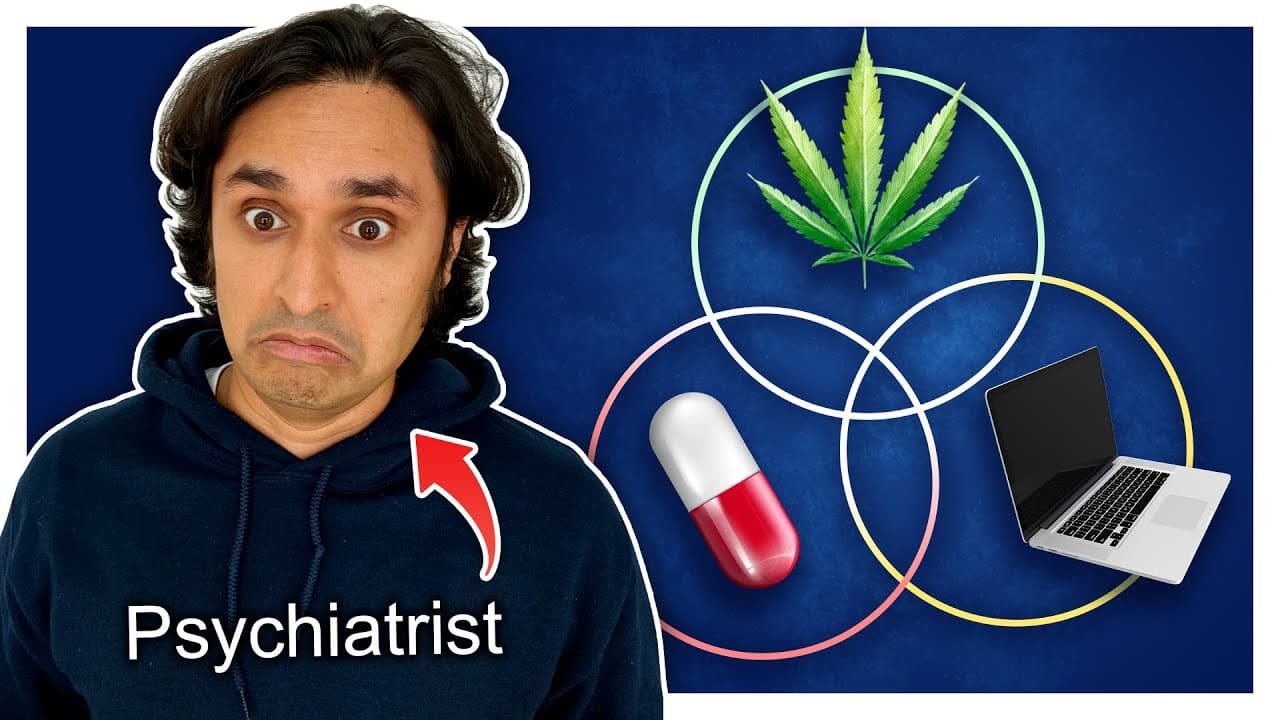
ADHD significantly raises the risk of substance use disorders due to executive dysfunction, which includes poor behavioral inhibition, heightened reward sensitivity, and impulsivity. These traits often lead individuals to self-medicate with substances to cope with their symptoms. However, long-term drug use worsens ADHD symptoms, making effective treatment vital for managing both conditions.
Transcript
so this paper came out um about a month ago so half of adults with adhd have had a substance use disorder alcohol use disorder is the most common among adults age 20 to 39 with adhd followed by cannabis use disorder and other drug disorders more than one quarter of those with adhd had major major depression so what i want to share with you all toda... Read More
Key Insights
- 🧠 ADHD is a disease of executive dysfunction, characterized by deficiencies in behavioral inhibition, altered sensitivity to reinforcement, and high impulsivity.
- 🌿 Half of adults with ADHD have had a substance use disorder, with alcohol use disorder being the most common, followed by cannabis use disorder and other drug disorders.
- ⚡ People with ADHD are more prone to substance use disorders due to their increased sensitivity to rewarding experiences, difficulty with inhibiting impulsive behaviors, and deficiencies in behavioral inhibition.
- 🧪 The neuroscience behind ADHD involves dysfunctions in dopamine circuitry, with low dopamine levels correlating with ADHD symptoms.
- ⚖️ Substance use initially increases dopamine levels in the prefrontal cortex, offering temporary self-medication for ADHD symptoms, but chronic drug use eventually shifts dopamine activity to the striatum, worsening ADHD symptoms.
- 😔 Shame associated with ADHD can lead individuals to use substances as a coping mechanism, further exacerbating the issues caused by ADHD.
- 🌐 Dual diagnosis treatment approaches, including therapy, sobriety, dopamine detox, meditation, and environmental control, can help individuals with ADHD and substance use disorders manage their conditions effectively.
- ⚕️ While overcoming ADHD and substance use disorders may be a challenging task, understanding the complexities of the conditions and implementing holistic treatment strategies can lead to a healthier life.
Install to Summarize YouTube Videos and Get Transcripts
Explore YouTube Video Summarizer or Get YouTube Transcript Extractor
Questions & Answers
Q: What are the three major components of executive dysfunction in individuals with ADHD?
The three major components of executive dysfunction in individuals with ADHD are deficient behavioral inhibition, altered sensitivity to reinforcement, and increased impulsivity. Behavioral inhibition refers to the brain's capacity to prevent oneself from engaging in impulsive actions, while altered sensitivity to reinforcement makes certain activities more enjoyable to individuals with ADHD. Increased impulsivity leads to a higher likelihood of acting on impulsive urges.
Q: How does drug use affect dopamine levels in the brain of individuals with ADHD?
In individuals with ADHD, chronic drug use initially increases dopamine levels, which can offer a self-medicating effect by temporarily improving ADHD symptoms. However, prolonged drug use leads to changes in dopamine circuitry, shifting the activity from certain brain regions to the striatum. This shift results in a decrease in dopamine levels and exacerbation of ADHD symptoms over time.
Q: How can individuals with ADHD and substance use disorders begin to address their issues?
To address their issues, individuals with ADHD and substance use disorders should focus on several strategies. Firstly, getting sober is crucial, as substance use contributes to worsening ADHD symptoms. Seeking therapy, specifically from a dual diagnosis clinician, can help address shame and other psychological factors while providing cognitive-behavioral therapy for ADHD. Engaging in a dopamine detox, practicing meditation, and controlling their environment to minimize distractions further support recovery and the management of ADHD symptoms.
Q: Why is it important to address both ADHD and substance use disorders simultaneously for effective treatment?
It is crucial to address both ADHD and substance use disorders simultaneously because they are interrelated and exacerbate each other. Substance use worsens ADHD symptoms over time, while untreated ADHD can lead to self-medication with substances. Treating both conditions simultaneously increases the chances of successful recovery and long-term management. This approach allows individuals to address the underlying neurological vulnerabilities of ADHD while addressing the harmful behaviors associated with substance use disorders.
Summary & Key Takeaways
-
ADHD is characterized by executive dysfunction, which includes deficiencies in behavioral inhibition, altered sensitivity to reinforcement, and increased impulsivity.
-
Individuals with ADHD are more susceptible to substance use disorders due to self-medication, psychological factors such as shame, and neuroscientific vulnerabilities.
-
Neurologically, ADHD is associated with dopamine deficiency and impaired dopamine activity in the brain, leading to a self-medication effect initially, but long-term drug use worsens ADHD symptoms.
-
To address the issue, individuals with ADHD and substance use disorders should focus on getting sober, seeking therapy to address shame and comorbid issues, engaging in a dopamine detox, practicing meditation to strengthen the frontal lobes, and controlling their environment to minimize distractions.
Questions:
-
What are the three major components of executive dysfunction in individuals with ADHD?
-
Why are individuals with ADHD more prone to substance use disorders?
-
How does drug use affect dopamine levels in the brain of individuals with ADHD?
-
How can individuals with ADHD and substance use disorders begin to address their issues?
-
What role does shame play in the relationship between ADHD and substance use disorders?
-
Is self-medication a common behavior among individuals with ADHD and substance use disorders?
-
How can controlling the environment help individuals with ADHD minimize distractions and improve focus?
-
Why is it important to address both ADHD and substance use disorders simultaneously for effective treatment?
Answer:
Q: What are the three major components of executive dysfunction in individuals with ADHD?
The three major components of executive dysfunction in individuals with ADHD are deficient behavioral inhibition, altered sensitivity to reinforcement, and increased impulsivity. Behavioral inhibition refers to the brain's capacity to prevent oneself from engaging in impulsive actions, while altered sensitivity to reinforcement makes certain activities more enjoyable to individuals with ADHD. Increased impulsivity leads to a higher likelihood of acting on impulsive urges.
Read in Other Languages (beta)
Share This Summary 📚
Summarize YouTube Videos and Get Video Transcripts with 1-Click
Try YouTube Summary with ChatGPT & Claude or YouTube Transcript Generator
Explore More Summaries from HealthyGamerGG 📚






Summarize YouTube Videos and Get Video Transcripts with 1-Click
Try YouTube Summary with ChatGPT & Claude or YouTube Transcript Generator