How Does Disease Impact WWI Soldiers?
TL;DR
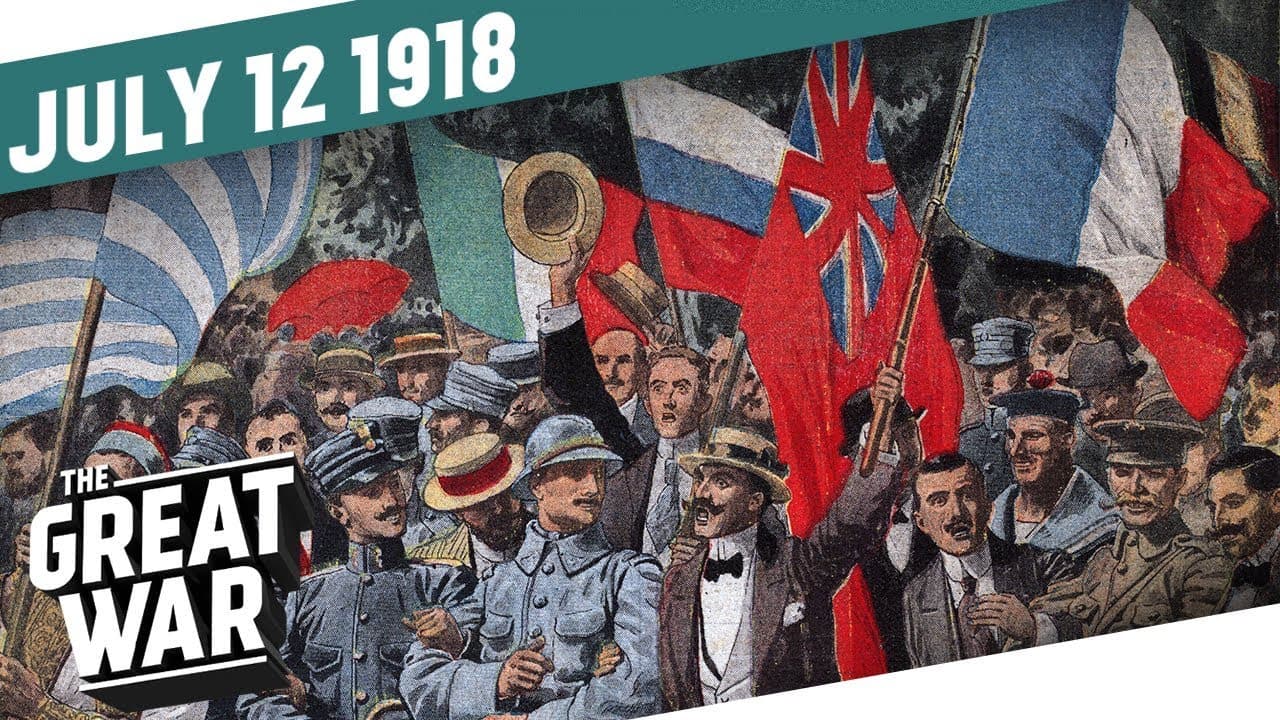
Venereal diseases, influenza, and malaria significantly affected soldiers during WWI, with venereal diseases being particularly widespread due to organized brothels. The Macedonian Front saw a new offensive planned by Allied forces, while the Spanish Flu caused significant German casualties. Meanwhile, political turmoil in Russia led to the Bolsheviks consolidating power after the assassination of the German ambassador.
Transcript
By now, there was a raging influenza epidemic, ravaging both Central Powers and Allied armies, and we’ll see more of that, but today I’d like to look at another type of illness, one not often talked about during the war, but one that affected soldiers in the millions- venereal disease. I’m Indy Neidell; welcome to the Great War. Last week on the We... Read More
Key Insights
- Venereal disease was rampant among WWI soldiers, with over 400,000 British Empire soldiers hospitalized.
- The Spanish Flu epidemic severely affected both Central Powers and Allied armies, causing thousands of German casualties.
- The Macedonian Front, once considered a joke, was preparing for a new Allied offensive.
- Brothels were organized and regulated by armies to provide comfort to soldiers, contributing to the spread of venereal disease.
- The assassination of the German ambassador in Russia marked a significant political shift towards Bolshevik control.
- The French and Italians launched successful minor attacks in Southern Albania during this period.
- The Allies developed a new gas warfare method using trains loaded with gas cylinders, causing significant German casualties.
- Civilians worldwide faced epidemics of venereal diseases as soldiers returned home with infections.
Install to Summarize YouTube Videos and Get Transcripts
Explore YouTube Video Summarizer or Get YouTube Transcript Extractor
Questions & Answers
Q: How did venereal disease affect WWI soldiers?
Venereal disease was a significant issue among WWI soldiers, with over 400,000 British Empire soldiers hospitalized for treatment. Brothels were organized and regulated by armies, contributing to the spread of these diseases. Soldiers often returned home with infections, leading to civilian epidemics worldwide.
Q: What impact did the Spanish Flu have on WWI armies?
The Spanish Flu reached epidemic proportions during WWI, severely affecting both Central Powers and Allied armies. Chronic malnutrition exacerbated its impact on German troops, with thousands becoming too sick for duty and 186,000 German soldiers dying from the flu over 1918.
Q: What was the Macedonian Front's role during WWI?
The Macedonian Front, initially considered a strategic joke, saw renewed interest from Allied forces planning a new offensive. Under Franchet D'Espérey, the multi-national Army of the Orient, including Greek troops, prepared to launch a significant attack against the Bulgarians.
Q: How did the assassination of the German ambassador affect Russian politics?
The assassination of German Ambassador Count Wilhelm von Mirbach by members of the Left SR Party marked a significant political shift in Russia. It led to the Bolsheviks consolidating power, eliminating SR influence, and moving towards establishing a one-party system.
Q: What new warfare method did the Allies develop during WWI?
The Allies developed a new method of gas warfare using trains loaded with gas cylinders. These trains were brought to the front lines, and the cylinders detonated simultaneously, creating a large gas cloud that caused hundreds of German casualties.
Q: What were the consequences of organized brothels for WWI soldiers?
Organized brothels provided comfort to soldiers but significantly contributed to the spread of venereal diseases. Many armies issued condoms to combat this, but they were not foolproof. Soldiers often returned home with infections, leading to civilian epidemics in various countries.
Q: What was the outcome of the French and Italian attacks in Southern Albania?
The French and Italians launched a series of minor but successful attacks in Southern Albania, demonstrating ongoing strategic maneuvers during WWI. These operations were part of broader efforts to maintain pressure on Central Powers and support Allied objectives in the region.
Q: How did the Czechoslovak Legion impact the situation in Russia during WWI?
The Czechoslovak Legion played a significant role in the Russian Civil War, fighting against Bolshevik forces. Their victories in Siberia, including the capture of Kazan, allowed them to control key railway routes and influenced Allied decisions, such as the proposal for Japanese military support.
Summary & Key Takeaways
-
Venereal diseases and the Spanish Flu significantly impacted WWI soldiers, with the flu causing thousands of German casualties. The Macedonian Front saw renewed Allied interest for an offensive. Meanwhile, organized brothels contributed to widespread venereal disease among troops.
-
The assassination of the German ambassador in Russia led to the Bolsheviks consolidating power, marking a shift towards a one-party system. Political turmoil continued as the Allies declared Vladivostok a protectorate and suggested Japanese involvement to aid the Czechoslovak Legion.
-
New methods of gas warfare were developed by the Allies, causing significant German casualties. Meanwhile, minor successful attacks by French and Italian forces occurred in Southern Albania, highlighting the ongoing strategic maneuvers during the war.
Read in Other Languages (beta)
Share This Summary 📚
Summarize YouTube Videos and Get Video Transcripts with 1-Click
Try YouTube Summary with ChatGPT & Claude or YouTube Transcript Generator
Explore More Summaries from The Great War 📚

Summarize YouTube Videos and Get Video Transcripts with 1-Click
Try YouTube Summary with ChatGPT & Claude or YouTube Transcript Generator