Is Trump's Memecoin Dinner a Corrupt Sale of Access?
TL;DR
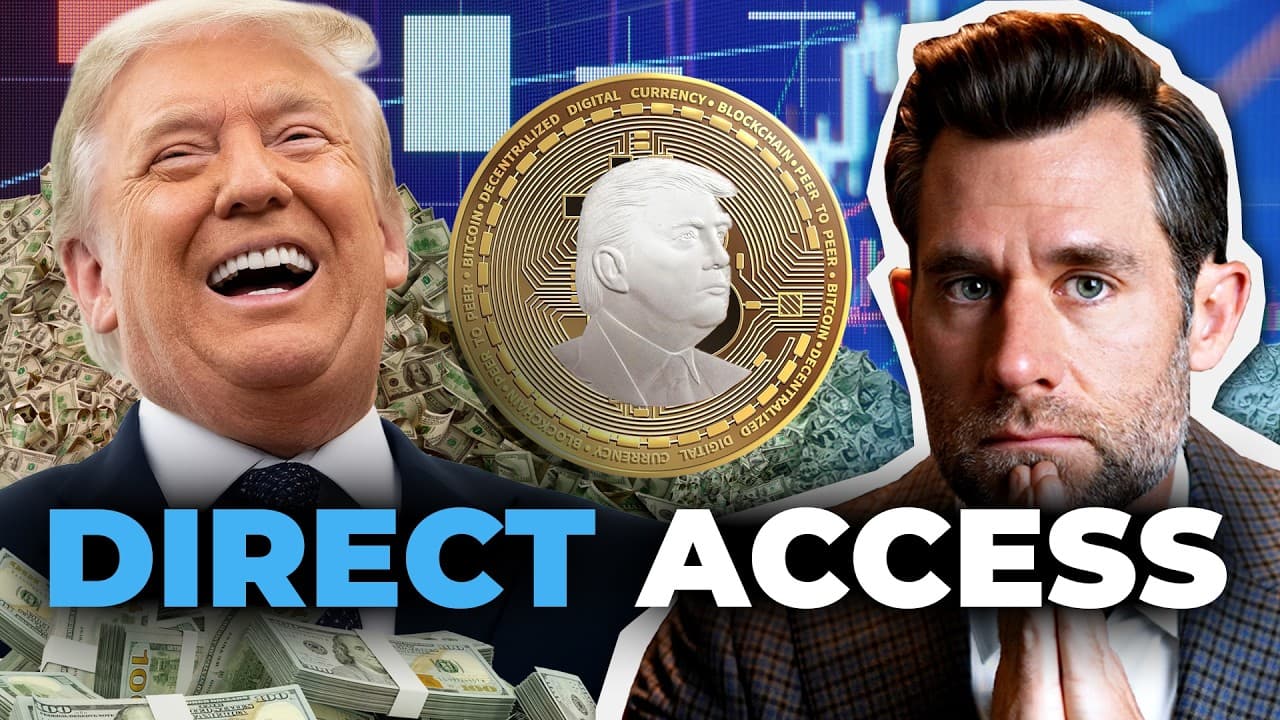
Trump's memecoin dinner, offering exclusive access to the president for top investors, raises serious ethical and legal concerns, potentially violating the emoluments clauses and federal bribery laws. Critics label it an unprecedented monetary exploitation of presidential power, prompting calls for an investigation into the legality of these actions and their implications for foreign influence in U.S. politics.
Transcript
This might be the most staggeringly corrupt thing that any president has ever done. And it's not even close. This isn't hyperbole. President Trump is selling access to himself and the White House to the largest purchasers of his own worthless meme coin. And the worst part is all of this might be legal. Yes, President Trump is no stranger to monetiz... Read More
Key Insights
- President Trump is accused of selling access to himself through a memecoin, raising ethical and legal concerns.
- The memecoin's value surged 50% after Trump announced a dinner for top investors, highlighting its speculative nature.
- Critics argue that the dinner contest is an unethical monetization of presidential access, akin to pay-to-play corruption.
- The legal implications include potential violations of emoluments clauses and federal bribery statutes.
- Trump's administration has taken steps to deregulate the cryptocurrency market, benefiting his own financial interests.
- Senators Warren and Schiff have called for an investigation into the legality of Trump's actions regarding the memecoin.
- The memecoin's launch and Trump's actions raise questions about the influence of foreign investors on U.S. politics.
- The controversy underscores the challenges of enforcing ethical standards for sitting presidents under current laws.
Install to Summarize YouTube Videos and Get Transcripts
Explore YouTube Video Summarizer or Get YouTube Transcript Extractor
Questions & Answers
Q: What is the controversy surrounding Trump's memecoin?
The controversy involves President Trump allegedly selling access to himself through a memecoin, raising ethical and legal questions. Critics argue this is a blatant monetization of presidential power, with the memecoin's value surging after Trump announced a dinner for top investors, prompting calls for an investigation.
Q: What are the legal concerns related to Trump's memecoin dinner?
The legal concerns include potential violations of the emoluments clauses and federal bribery statutes. Critics argue that the president's actions constitute an unprecedented breach of ethics, with some suggesting this is akin to pay-to-play corruption. Senators have called for an investigation into the legality of the situation.
Q: How has Trump's administration influenced the cryptocurrency market?
Trump's administration has taken steps to deregulate the cryptocurrency market, benefiting his own financial interests. This includes appointing cryptocurrency advocates to key positions and issuing executive orders supporting the expansion of the digital asset industry, raising concerns about conflicts of interest and ethical standards.
Q: What are the potential implications of foreign investments in Trump's memecoin?
The memecoin's speculative nature and foreign investments raise concerns about the influence of foreign actors on U.S. politics. Critics argue that foreign governments or entities could exploit the memecoin to buy influence with President Trump, highlighting challenges in enforcing ethical standards for sitting presidents.
Q: What actions have been taken to address the ethical concerns of Trump's memecoin?
Senators Warren and Schiff have called for an investigation into the legality of Trump's actions regarding the memecoin. They argue that the president's offer of exclusive access to top investors raises serious ethical and legal concerns, potentially violating federal ethics rules and the emoluments clauses.
Q: How does Trump's memecoin dinner compare to traditional political fundraising?
While it's common for politicians to hold fundraising dinners with top donors, Trump's memecoin dinner is styled as a private event, not a political fundraiser. This raises questions about its classification and potential circumvention of Federal Election Commission requirements, distinguishing it from typical campaign events.
Q: What legislative actions have been proposed in response to Trump's memecoin?
Representative Sam Licardo introduced the Modern Emoluments and Malfeasance Enforcement Act to prohibit high-level officials from endorsing digital assets. The bill aims to address conflicts of interest and corruption concerns, although it faces challenges in passing through a Republican-controlled Congress.
Q: What are the potential consequences for those involved in Trump's memecoin?
Future Democratic administrations could prosecute individuals who attempted to bribe the president through the memecoin. This includes buyers seeking specific favors, even if Trump denies being influenced. The controversy underscores the need for clearer ethical guidelines and enforcement mechanisms in presidential conduct.
Summary & Key Takeaways
-
President Trump's involvement with a memecoin has sparked controversy over selling access to the presidency. Critics argue this is a blatant monetization of presidential power, raising ethical and legal concerns. The memecoin's value surged after Trump announced a dinner for top investors, prompting calls for an investigation.
-
The legal implications of Trump's memecoin dinner include potential violations of the emoluments clauses and federal bribery statutes. Critics argue that the president's actions are an unprecedented breach of ethics, with senators calling for a probe into the legality of the situation.
-
Trump's administration has taken steps to deregulate the cryptocurrency market, benefiting his financial interests. The memecoin's speculative nature and foreign investments raise concerns about the influence of foreign actors on U.S. politics, highlighting challenges in enforcing ethical standards for presidents.
Read in Other Languages (beta)
Share This Summary 📚
Summarize YouTube Videos and Get Video Transcripts with 1-Click
Try YouTube Summary with ChatGPT & Claude or YouTube Transcript Generator
Explore More Summaries from LegalEagle 📚





Summarize YouTube Videos and Get Video Transcripts with 1-Click
Try YouTube Summary with ChatGPT & Claude or YouTube Transcript Generator