Expert Tips for Effective Obedience Training - Shaping Behaviors with Food for Quick Results
TL;DR
Learn how markers enhance dog training for quick, clear communication.
Transcript
so we've already worked on engagement training where we're getting him conditioned to the sound that predicts a reward this way we can use that sound when we start teaching him new behaviors a fun little exercise to kind of demonstrate how effective markers can be is i'm just gonna walk away from him and you're gonna make sure he can get to me so t... Read More
Key Insights
- Markers serve as effective tools in dog training, helping dogs associate certain behaviors with rewards, thereby enhancing communication and learning speed.
- The use of a terminal marker like 'free' helps dogs understand when they have successfully completed a desired behavior, which is then followed by a reward.
- Consistency in timing when using markers is crucial; saying the marker word before moving to reward ensures the dog connects the word with the reward.
- Luring is a technique used to guide dogs into specific positions, such as sitting or lying down, by using a physical cue combined with markers.
- Food motivation plays a significant role in training; using high-value treats can increase a dog's eagerness and responsiveness during training sessions.
- Training should incorporate both kibble and high-value treats to maintain motivation and prevent overfeeding, especially during initial training phases.
- Ending training sessions on a positive note when the dog is still interested ensures they remain eager for future training.
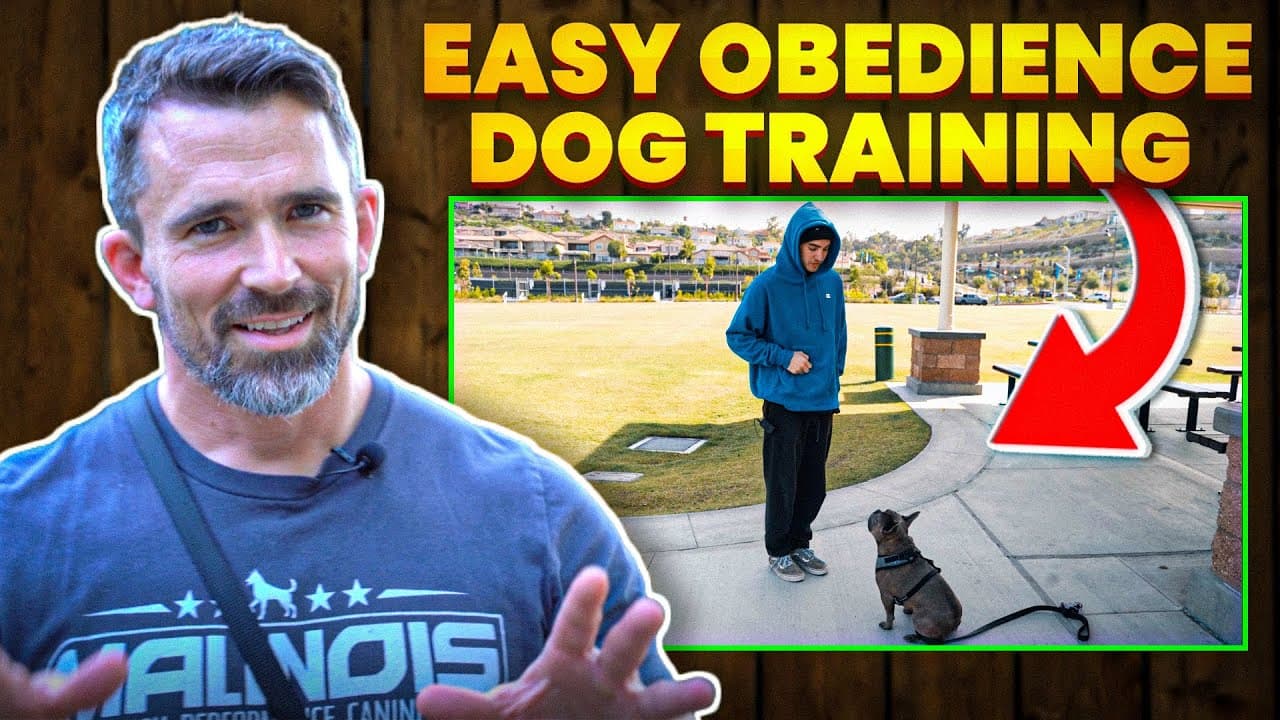
- French Bulldogs, known for their playful nature and high food drive, can benefit greatly from marker-based training methods.
Install to Summarize YouTube Videos and Get Transcripts
Explore YouTube Video Summarizer or Get YouTube Transcript Extractor
Questions & Answers
Q: What is the role of markers in dog training?
Markers are crucial in dog training as they provide a consistent signal that helps dogs associate specific behaviors with rewards. By using a marker word like 'free,' trainers can clearly communicate to the dog when they have successfully completed a desired behavior, which is then followed by a reward. This method enhances the dog's understanding and learning speed.
Q: How does luring help in training dogs?
Luring involves using a physical cue, often with a treat, to guide a dog into a specific position, such as sitting or lying down. This technique, combined with markers, helps the dog understand what is expected of them. It is particularly useful for teaching new commands and reinforcing desired behaviors, making the training process more efficient.
Q: Why is timing important when using markers?
Timing is critical when using markers because it ensures that the dog correctly associates the marker word with the behavior and the subsequent reward. Saying the marker word before moving to reward the dog helps solidify this connection, preventing confusion and enhancing the effectiveness of the training.
Q: What role does food motivation play in dog training?
Food motivation is a key factor in dog training as it can significantly increase a dog's eagerness and responsiveness. Using high-value treats during training sessions can maintain the dog's interest and motivation, making them more likely to engage and learn new behaviors. This is especially important for breeds with a high food drive, such as French Bulldogs.
Q: How should training sessions be concluded?
Training sessions should be concluded on a positive note, with the dog still interested and engaged. Ending sessions when the dog is eager ensures they remain motivated and enthusiastic for future training. This approach helps maintain a positive association with training and encourages continued learning and cooperation from the dog.
Q: What is the benefit of mixing kibble with high-value treats during training?
Mixing kibble with high-value treats during training helps maintain the dog's motivation while preventing overfeeding. This approach provides a balance, allowing the dog to receive regular rewards while occasionally getting a higher-value treat. The unpredictability of receiving a high-value treat can boost the dog's enthusiasm and attention during training sessions.
Q: What is a common issue with using bowls during training?
A common issue with using bowls during training is that holding the bowl upright can lead dogs to stand rather than lie down. To encourage a dog to lie down, the bowl should be inverted, prompting the dog to go under it to reach the treat. This technique helps guide the dog into the desired position effectively.
Q: Why is it important to keep training sessions fun?
Keeping training sessions fun is important because it fosters a positive association with training in the dog's mind. When training is enjoyable and engaging, dogs are more likely to be excited and willing to participate. This positive reinforcement leads to better learning outcomes and helps maintain the dog's interest and motivation over time.
Summary & Key Takeaways
-
Markers are essential in dog training, allowing dogs to associate specific sounds with rewards, thus enhancing their learning process. The video demonstrates how to use markers effectively, focusing on timing and consistency.
-
Luring techniques are also showcased, where physical cues guide dogs into desired positions. The importance of using high-value rewards to maintain motivation, especially for food-driven breeds like French Bulldogs, is emphasized.
-
Training sessions should end positively, with the dog still engaged, to foster continued interest. The video also highlights the need for mixing kibble with high-value treats during training to maintain enthusiasm without overfeeding.
Read in Other Languages (beta)
Share This Summary 📚
Summarize YouTube Videos and Get Video Transcripts with 1-Click
Try YouTube Summary with ChatGPT & Claude or YouTube Transcript Generator
Explore More Summaries from Nate Schoemer 📚



Summarize YouTube Videos and Get Video Transcripts with 1-Click
Try YouTube Summary with ChatGPT & Claude or YouTube Transcript Generator