Napster Co-Founder Sean Parker on Studio 1.0
TL;DR
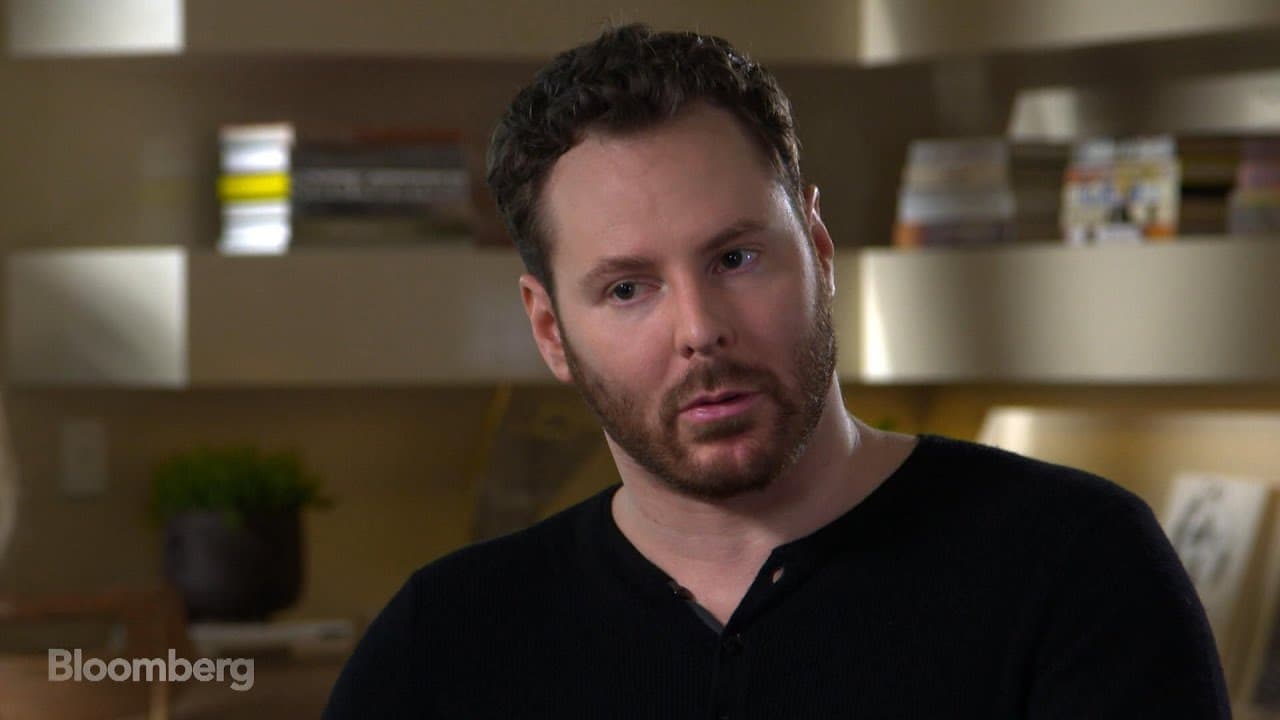
Sean Parker discusses Napster, Facebook, Spotify, and philanthropy.
Transcript
he revolutionized the way we listen to music even if it wasn't entirely legal Sean Parker co-founded Napster in 1999 then went on to become founding president of Facebook ringleader of tech and music celebrities including Mark Zuckerberg Spotify Daniel Eck and Snoop Dogg Justin Timberlake famously portrayed Parker in the movie the social network as... Read More
Key Insights
- Sean Parker co-founded Napster, revolutionizing music sharing but facing legal challenges due to copyright issues.
- Parker became Facebook's founding president, contributing to its early success and influencing the tech industry's growth.
- He is currently involved in philanthropy, focusing on life sciences and global health through the Parker Foundation.
- Parker believes streaming services like Spotify have helped revive the music industry after years of decline.
- He discusses the challenges of convincing users to pay for music services when free options are available online.
- Parker sees potential in Facebook's growth, emphasizing the importance of communication networks and future opportunities.
- He views Twitter's reliance on media and celebrity as both a strength and a limitation for its growth potential.
- Parker highlights the importance of disruptive philanthropy and its role in advancing scientific research and innovation.
Install to Summarize YouTube Videos and Get Transcripts
Explore YouTube Video Summarizer or Get YouTube Transcript Extractor
Questions & Answers
Q: What was Sean Parker's role in the early tech industry?
Sean Parker co-founded Napster, a pioneering music-sharing service, which faced legal challenges due to copyright infringement. He later became the founding president of Facebook, contributing to its early development and success. Parker's influence in the tech industry extends to his involvement with Spotify and other ventures.
Q: How did Napster impact the music industry?
Napster revolutionized the way music was shared and consumed, leading to significant changes in the music industry. However, it also faced legal challenges due to copyright infringement issues. Parker acknowledges that Napster contributed to the decline of traditional music sales but believes streaming services have since revitalized the industry.
Q: What is Sean Parker's perspective on streaming services?
Parker believes streaming services like Spotify have helped the music industry recover from years of decline. He highlights the challenge of convincing users to pay for services when free options are available and emphasizes the added value of convenience and music discovery that paid services offer.
Q: What are Sean Parker's philanthropic focuses?
Sean Parker is heavily involved in philanthropy through the Parker Foundation, focusing on life sciences, global health, and civic engagement. He aims to apply disruptive approaches to philanthropy, similar to his impact in the tech industry, to address significant social and scientific challenges.
Q: How does Sean Parker view Facebook's growth potential?
Parker sees significant growth potential for Facebook, emphasizing the importance of communication networks. He believes there are still many opportunities for Facebook to explore in communication technologies and that the company has a long way to go in unlocking its full value.
Q: What challenges does Twitter face according to Sean Parker?
Parker views Twitter's reliance on media and celebrity as both a strength and a limitation. While it helped Twitter build a large user base, it also limits the platform's potential for deeper, more intimate user interactions. He questions whether Twitter can expand beyond its current niche.
Q: What is Sean Parker's stance on privacy versus security?
Parker acknowledges the complex relationship between tech companies and government regarding privacy and security. He believes that while collaboration exists, the accessibility of communication technologies is crucial for fostering innovation and necessary social change, despite the potential risks of misuse.
Q: What is the future of life sciences according to Sean Parker?
Parker sees life sciences as the most exciting field today, comparable to the early days of social media. He believes technological advancements in life sciences hold enormous potential for innovation and progress, with the possibility of making groundbreaking scientific achievements more accessible and impactful.
Summary & Key Takeaways
-
Sean Parker, co-founder of Napster, discusses his journey in the tech industry, highlighting his roles at Facebook and Spotify. He reflects on the impact of Napster on the music industry and the legal challenges faced. Parker is now focused on philanthropy, particularly in life sciences and global health.
-
Parker believes that streaming services like Spotify have revitalized the music industry after years of decline. He discusses the challenges of transitioning users from free to paid services and the importance of offering added value. Parker also touches on the role of artist management in the streaming era.
-
In his philanthropic efforts, Parker emphasizes the need for disruptive approaches to address entrenched social problems. He discusses the Parker Foundation's focus on life sciences and the importance of advancing scientific research. Parker sees life sciences as a field with significant potential for innovation and impact.
Read in Other Languages (beta)
Share This Summary 📚
Summarize YouTube Videos and Get Video Transcripts with 1-Click
Try YouTube Summary with ChatGPT & Claude or YouTube Transcript Generator
Explore More Summaries from Bloomberg Originals 📚



Summarize YouTube Videos and Get Video Transcripts with 1-Click
Try YouTube Summary with ChatGPT & Claude or YouTube Transcript Generator