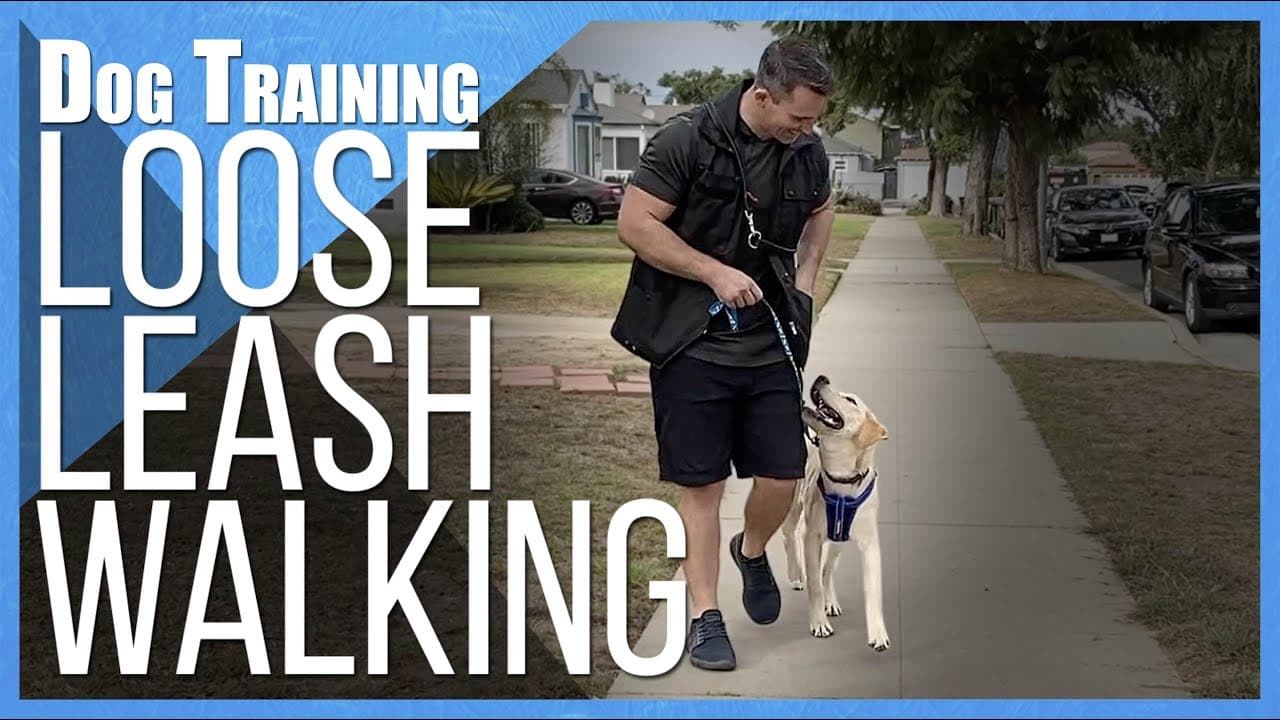
Say Goodbye to Leash Pulling: How to Train Any Dog to Walk Nicely
TL;DR
Learn to train dogs for leash walking using pressure and rewards.
Transcript
hey everybody welcome back to another episode today we are going to be teaching our dogs not to pull on a leash the first thing we want to do is we want to make sure our dogs understand the concept of leash pressure or it's really a leash cue because what we're doing is we're teaching our dog to go with the pressure on the leash so i have a marting... Read More
Key Insights
- Leash pressure is a communication tool to guide dogs, turning off pressure when they comply, reinforcing behavior with rewards.
- Consistency in applying leash pressure is crucial; it should be steady without causing discomfort, ensuring dogs respond effectively.
- Positive and negative reinforcement combined accelerates training, enhancing clarity in communication with dogs.
- Training should be gradual, allowing dogs to anticipate actions and comply before pressure is applied, reducing stress.
- Teaching heel position through luring and leash guidance lays the foundation for loose leash walking.
- Allowing dogs to explore initially helps them acclimate to environments, making leash training more effective later.
- Harnesses can be used to manage pulling, transitioning to collar pressure for refined leash walking skills.
- Incorporating fun and games into training maintains engagement, reinforcing positive behavior without stress.
Install to Summarize YouTube Videos and Get Transcripts
Explore YouTube Video Summarizer or Get YouTube Transcript Extractor
Questions & Answers
Q: What is the primary technique used to train dogs in the video?
The primary technique used in the video is leash pressure training. This involves applying consistent pressure on the leash to communicate with the dog. When the dog complies with the desired behavior, the pressure is released, and the dog is rewarded. This method combines both positive and negative reinforcement to effectively train the dog.
Q: How does the trainer ensure the dog understands leash pressure?
The trainer ensures the dog understands leash pressure by consistently applying it in a steady manner that is not too harsh. The pressure is maintained until the dog complies with the desired action, after which it is immediately released. This clear communication helps the dog associate compliance with the release of pressure, reinforcing the desired behavior.
Q: Why is it important to allow dogs to explore before training?
Allowing dogs to explore before training is important because it helps them acclimate to their environment, reducing distractions during the actual training session. By letting them satisfy their curiosity and energy initially, the training process becomes more focused and effective as the dog is less likely to be overly excited or distracted by new stimuli.
Q: What role does consistency play in leash pressure training?
Consistency is crucial in leash pressure training as it ensures the dog clearly understands the communication and expectations. Consistent application and release of pressure help the dog learn that compliance leads to a reward. Inconsistent pressure can confuse the dog, making it harder for them to learn and respond correctly to commands.
Q: How does the trainer incorporate fun into the training process?
The trainer incorporates fun into the training process by making it a game. This involves using playful interactions, rewarding the dog for correct behavior, and maintaining a positive and engaging atmosphere. This approach keeps the dog interested and motivated, making the training sessions enjoyable and effective.
Q: What is the purpose of using a harness in the training?
The purpose of using a harness in the training is to manage dogs that tend to pull hard on the leash. The harness helps to prevent the dog from choking themselves while still allowing the trainer to guide them back into the correct position using leash pressure. This approach is particularly useful for dogs that are strong pullers.
Q: How does the trainer address distractions during training?
The trainer addresses distractions by gradually exposing the dog to the environment and using clear communication through leash pressure and commands. If a dog becomes distracted, the trainer waits patiently, reinforces the desired behavior, and uses rewards to redirect the dog's focus back to the training, ensuring consistent learning.
Q: What is the significance of marking and rewarding in this training method?
Marking and rewarding are significant in this training method as they provide immediate feedback to the dog, reinforcing the desired behavior. When the dog complies with a command, the trainer marks the behavior with a verbal cue or clicker and follows it with a reward. This positive reinforcement helps the dog understand which actions are correct and encourages repetition of those behaviors.
Summary & Key Takeaways
-
The video focuses on teaching dogs to walk on a loose leash by using leash pressure as a communication tool. Consistent pressure helps dogs understand commands, and rewarding compliance encourages positive behavior.
-
Positive and negative reinforcement is combined to enhance training effectiveness. Gradual introduction of pressure allows dogs to anticipate actions, making the process less stressful and more engaging.
-
The video also covers teaching the heel position, using a harness to manage pulling, and emphasizing the importance of making training fun to maintain engagement and ensure successful outcomes.
Read in Other Languages (beta)
Share This Summary 📚
Summarize YouTube Videos and Get Video Transcripts with 1-Click
Try YouTube Summary with ChatGPT & Claude or YouTube Transcript Generator
Explore More Summaries from Nate Schoemer 📚



Summarize YouTube Videos and Get Video Transcripts with 1-Click
Try YouTube Summary with ChatGPT & Claude or YouTube Transcript Generator