Transform Your Puppy's Behavior with Lesson Two!
TL;DR
Explore advanced exercises to enhance your puppy's training and communication.
Transcript
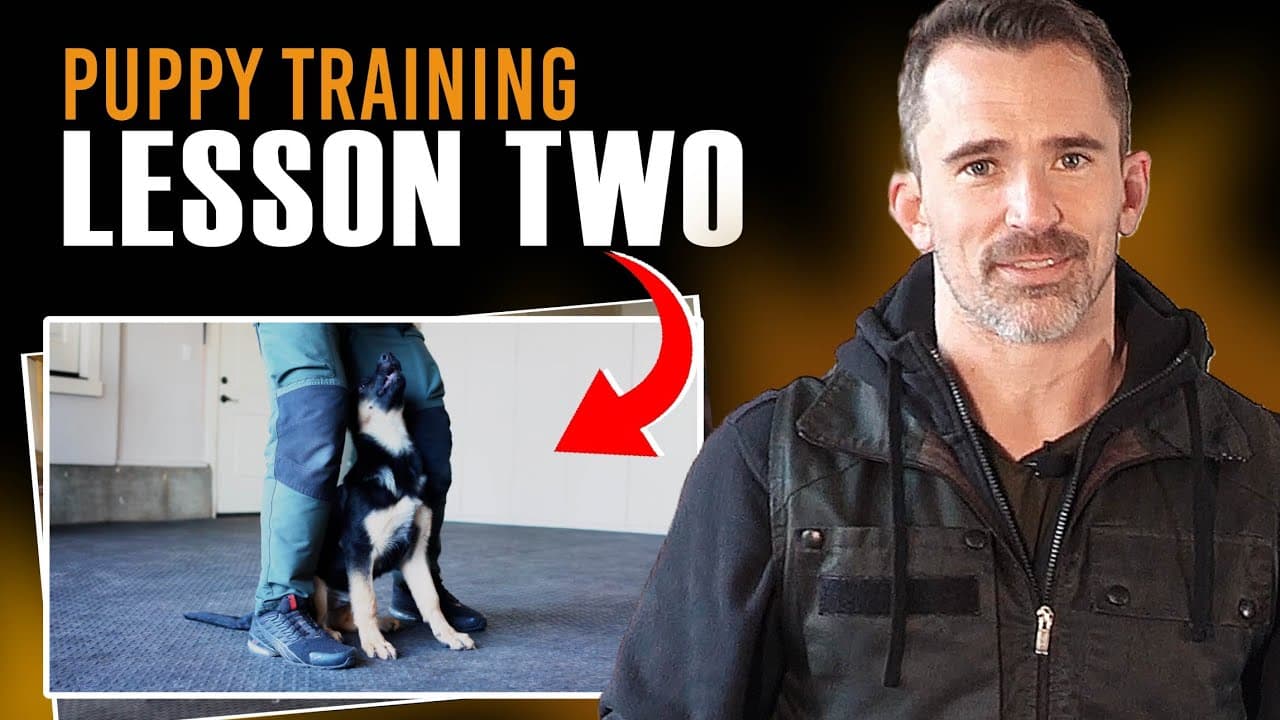
if you saw my last video with the young German Shepherd puppy the first steps that I like to do when training a new dog we're going to be adding to that so in that video we worked on six different movements the left heel position right heel position center walking in the same direction that I'm going and then left and right lateral movements in fro... Read More
Key Insights
- The video expands on previous training techniques by introducing the reverse heel position, which involves walking backward while the dog maintains the heel position.
- Transitioning between center and heel positions is emphasized to enhance the puppy's responsiveness to commands and body language.
- Switching heel positions improves the dog's spatial awareness and obedience, fostering better communication between the trainer and the dog.
- The exercises are designed to be engaging and enjoyable, turning training sessions into a fun game that strengthens the bond between the puppy and the owner.
- The tutorial highlights the importance of maintaining high motivation in dogs by rewarding them for following the lure, not just the final position.
- Incorporating music during training sessions can enhance the trainer's energy and positively influence the dog's responsiveness and speed.
- The video emphasizes the importance of repetition in training, encouraging daily practice until the movements become natural for both the trainer and the dog.
- The tutorial suggests using a knee bump technique to help guide the dog into the correct heel position, adding momentum and precision to the movement.
Install to Summarize YouTube Videos and Get Transcripts
Explore YouTube Video Summarizer or Get YouTube Transcript Extractor
Questions & Answers
Q: What is the reverse heel position and how is it beneficial?
The reverse heel position involves the dog maintaining the heel position while the trainer walks backward. This exercise challenges both the trainer and the dog, promoting trust and understanding as they navigate the space together. It enhances the dog's ability to follow commands and improves their spatial awareness and responsiveness.
Q: How can transitioning between center and heel positions improve a puppy's training?
Transitioning between center and heel positions encourages the puppy to pay close attention to the trainer's commands and body language. This fluid movement enhances the puppy's responsiveness and agility, fostering seamless communication and strengthening the bond between the puppy and the owner. It also reinforces the puppy's obedience and flexibility.
Q: Why is it important to maintain high motivation in dogs during training?
Maintaining high motivation in dogs is crucial because it keeps them engaged and eager to learn. Rewarding dogs for following the lure, rather than just the final position, ensures they remain enthusiastic and responsive. High motivation leads to more effective training sessions, as dogs are more likely to follow commands and learn new skills with enthusiasm.
Q: What role does music play during training sessions?
Music can significantly enhance the trainer's energy and positively influence the dog's responsiveness and speed. Listening to music that makes the trainer feel good can increase their energy levels, which in turn affects the dog's energy and motivation. Dogs often match their trainer's speed and enthusiasm, making music a valuable tool in creating a dynamic training environment.
Q: How does the knee bump technique aid in training?
The knee bump technique helps guide the dog into the correct heel position by adding momentum and precision to the movement. When transitioning the dog from one side to the other, the trainer uses their knee to gently bump the dog, encouraging them to move into the desired position. This technique can be particularly useful for ensuring the dog maintains the correct alignment during training.
Q: What is the significance of repetition in dog training?
Repetition is essential in dog training as it helps both the trainer and the dog become familiar with the movements until they feel natural. Consistent practice ensures that the dog learns the desired behaviors and responds accurately to commands. It also allows the trainer to refine their techniques, leading to more effective and efficient training sessions.
Q: Why is it important to reward dogs for following the lure?
Rewarding dogs for following the lure, rather than just the final position, keeps their motivation high and ensures they remain engaged throughout the training session. If rewards are only given for the final position, the dog's interest in following the lure may decrease over time. By rewarding the process, trainers encourage the dog to stay focused and enthusiastic about learning new skills.
Q: How can training sessions be made more enjoyable for both the trainer and the dog?
Training sessions can be made more enjoyable by incorporating fun and engaging exercises that turn training into a game. Keeping sessions dynamic and rewarding the dog for their efforts ensures they remain motivated and eager to participate. Additionally, maintaining a positive and energetic atmosphere, possibly with the aid of music, can enhance the experience for both the trainer and the dog.
Summary & Key Takeaways
-
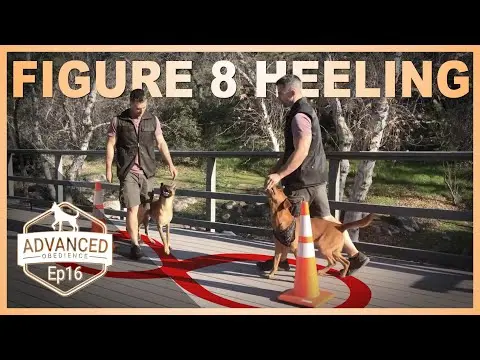
This video tutorial introduces advanced puppy training exercises, including the reverse heel position, transitioning between center and heel positions, and switching heel positions. These exercises are designed to enhance communication and responsiveness while keeping training sessions fun and engaging.
-
The tutorial emphasizes the importance of maintaining high motivation in dogs by rewarding them for following the lure, not just the final position. Incorporating music during training can enhance the trainer's energy and positively influence the dog's responsiveness and speed.
-
Repetition is key in training, with daily practice encouraged until movements become natural. The video also introduces a knee bump technique to guide the dog into the correct heel position, adding momentum and precision to the exercise.
Read in Other Languages (beta)
Share This Summary 📚
Summarize YouTube Videos and Get Video Transcripts with 1-Click
Try YouTube Summary with ChatGPT & Claude or YouTube Transcript Generator
Explore More Summaries from Nate Schoemer 📚


Summarize YouTube Videos and Get Video Transcripts with 1-Click
Try YouTube Summary with ChatGPT & Claude or YouTube Transcript Generator