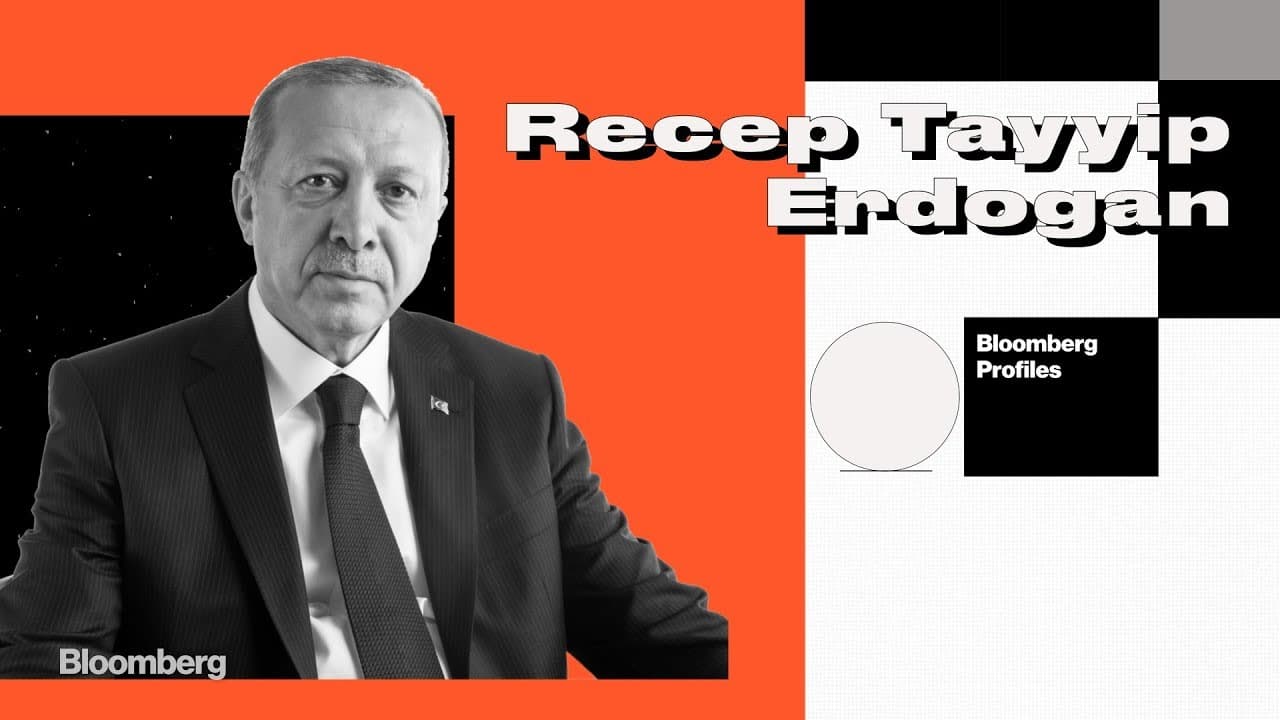
Erdogan Tightens His Grip on Turkey
TL;DR
Erdogan's leadership transforms Turkey amid political and social upheaval.
Transcript
A couple of years ago, in the main square of a small Turkish town, this statue was taken down. It’s the statue of Mustafa Kemal Ataturk founder of the Turkish Republic who transformed the country into a Western-looking secular state. “Islamic tradition is shattered, a man’s image, Mustafa Kemal, is displayed in public, he also orders all Turks to ... Read More
Key Insights
- Erdogan's rise to power began in the 1990s, and he has maintained a significant influence in Turkish politics for nearly three decades.
- The removal of Ataturk's statue symbolizes Erdogan's efforts to reshape Turkey's identity, moving away from secularism towards a more religiously influenced governance.
- Erdogan's leadership saw economic growth and infrastructure development, but also a gradual push towards an Islamist agenda, creating societal divides.
- The 2016 failed military coup was a turning point, boosting Erdogan's popularity and enabling him to tighten his grip on power through a state of emergency.
- Erdogan's government has been criticized for suppressing opposition, with Turkey becoming the world's leading jailer of journalists and frequent internet censorship.
- Erdogan's promise of a 'new era' remains ambiguous, with supporters viewing him as a reformist and opponents seeing him as an autocrat.
- The upcoming elections are pivotal, potentially extending Erdogan's presidency and solidifying his control over Turkish politics.
- Economic challenges and a currency crisis add pressure to Erdogan's vision of a 'New Turkey,' highlighting the country's growing political and social divides.
Install to Summarize YouTube Videos and Get Transcripts
Explore YouTube Video Summarizer or Get YouTube Transcript Extractor
Questions & Answers
Q: What was the significance of removing Ataturk's statue?
The removal of Ataturk's statue symbolizes Erdogan's efforts to reshape Turkey's identity, moving away from secularism towards a governance more influenced by Islamic principles. It highlights the shift in Turkey's political and cultural landscape under Erdogan's leadership, challenging the secular foundations established by Ataturk.
Q: How did Erdogan's leadership impact Turkey's economy?
Erdogan's leadership initially saw significant economic growth, with infrastructure development, reduced inflation, and an average annual growth rate of 5.8%. However, recent economic challenges, including a currency crisis, have put pressure on his vision of a 'New Turkey,' highlighting the complexities of his economic policies.
Q: What was the outcome of the 2016 military coup attempt?
The 2016 military coup attempt failed, significantly boosting Erdogan's popularity and allowing him to consolidate power further. The event led to a state of emergency, enabling the government to bypass routine procedures and suppress opposition, which has drawn criticism from international human rights organizations.
Q: How has Erdogan's government treated opposition and media?
Erdogan's government has been criticized for its treatment of opposition, with Turkey becoming the world's leading jailer of journalists and frequently blocking access to websites like Twitter and Facebook. Critics argue that the state of emergency has been used to target opposition figures and suppress dissenting voices.
Q: What are the main criticisms of Erdogan's leadership?
Critics of Erdogan's leadership argue that he has undermined Turkey's secular foundations, pushed an Islamist agenda, and used authoritarian measures to suppress opposition. His government's treatment of journalists and the use of a state of emergency to consolidate power have also been significant points of contention.
Q: What is the significance of the upcoming elections in Turkey?
The upcoming elections are pivotal as they could extend Erdogan's presidency and solidify his control over Turkish politics. The elections occur amid economic challenges and societal divides, with Erdogan's leadership facing scrutiny over his vision for Turkey's future and his handling of opposition.
Q: How has Erdogan's leadership affected Turkey's international relations?
Erdogan's leadership has affected Turkey's international relations, with criticism from Western governments and human rights organizations over his authoritarian measures and suppression of opposition. These actions have strained Turkey's relationships with some countries, impacting its international standing and diplomatic engagements.
Q: What challenges does Erdogan face in implementing his vision for Turkey?
Erdogan faces several challenges in implementing his vision for Turkey, including economic difficulties, a currency crisis, and increasing political and social divides. Balancing his Islamist agenda with the secular foundations of the country and addressing international criticism are also significant hurdles in achieving his goals.
Summary & Key Takeaways
-
Erdogan has transformed Turkey's political landscape, moving it from a secular to a more religiously influenced state. His leadership saw economic growth and infrastructure development but also increased societal divides.
-
The failed 2016 military coup was a significant event in Erdogan's tenure, boosting his popularity and enabling him to consolidate power further through a state of emergency.
-
As Turkey approaches pivotal elections, Erdogan's leadership faces scrutiny amid economic challenges and accusations of suppressing opposition, with the country's future direction hanging in the balance.
Read in Other Languages (beta)
Share This Summary 📚
Summarize YouTube Videos and Get Video Transcripts with 1-Click
Try YouTube Summary with ChatGPT & Claude or YouTube Transcript Generator
Explore More Summaries from Bloomberg Originals 📚




Summarize YouTube Videos and Get Video Transcripts with 1-Click
Try YouTube Summary with ChatGPT & Claude or YouTube Transcript Generator