What Was the Easter Rising of 1916?
TL;DR
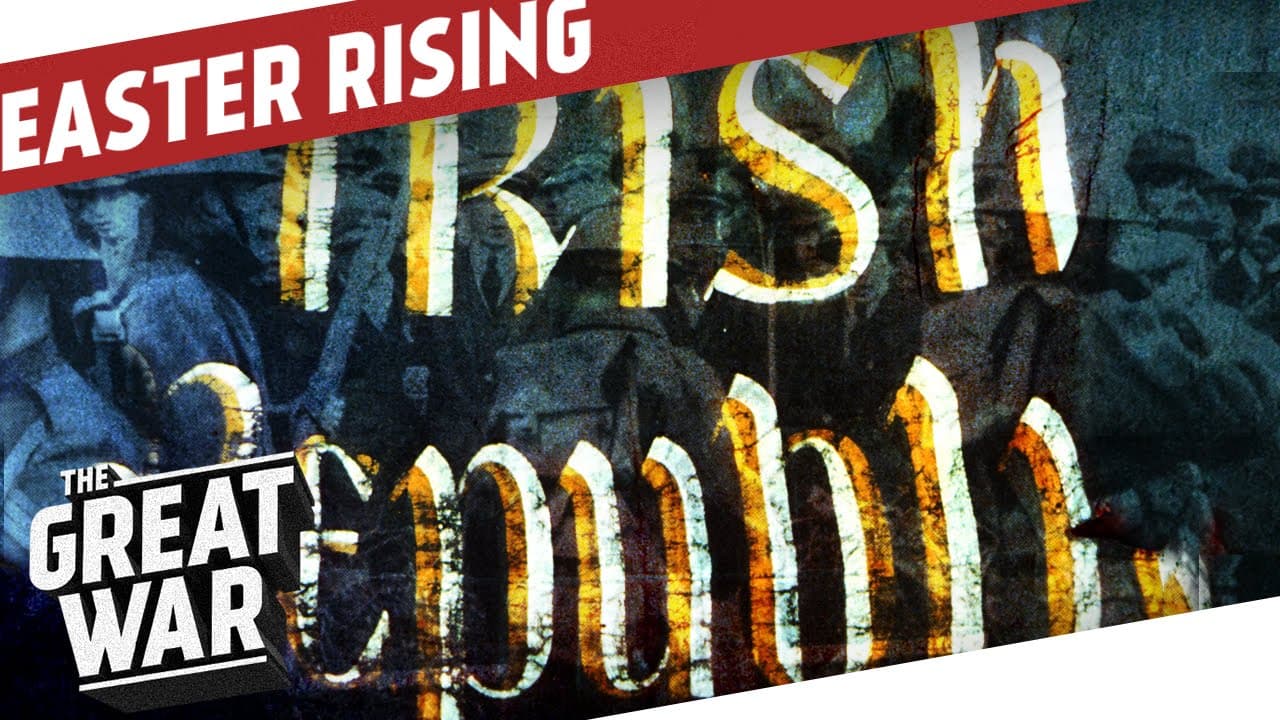
The Easter Rising of 1916 was a significant event in Ireland's struggle for independence from British rule. Although the uprising was unsuccessful, it sparked a wave of nationalism across Ireland, eventually leading to the War of Independence and the establishment of the Irish Free State. The rebellion highlighted the deep divisions within Irish society and the impact of World War I on Ireland's political landscape.
Transcript
100 years ago this week came Easter 1916, and with it came a bloody uprising in Ireland against British rule, but tensions had been growing for years and the war had helped polarize the situation. Let’s take a look. I’m Indy Neidell; welcome to a Great War Special episode about Ireland during the First World War and the Easter Uprising. The First W... Read More
Key Insights
- The Easter Rising of 1916 was a pivotal moment in Irish history, marking the beginning of the end of British rule in Ireland.
- The uprising was led by Irish nationalists who sought to establish an independent Irish Republic, free from British control.
- The rebellion was initially unsuccessful, with British forces quickly suppressing the insurrection and executing its leaders.
- The harsh response by the British government galvanized Irish public opinion and increased support for the nationalist cause.
- The Easter Rising was a direct consequence of the delayed implementation of the Home Rule Bill due to World War I.
- The involvement of Irish soldiers in World War I further complicated the political situation, with many divided on the issue of loyalty to Britain.
- The uprising set the stage for the Irish War of Independence in 1919 and the subsequent creation of the Irish Free State in 1922.
- The events of Easter 1916 are commemorated annually in Ireland, symbolizing the enduring struggle for Irish independence.
Install to Summarize YouTube Videos and Get Transcripts
Explore YouTube Video Summarizer or Get YouTube Transcript Extractor
Questions & Answers
Q: What was the Easter Rising of 1916?
The Easter Rising of 1916 was a rebellion by Irish nationalists against British rule, aiming to establish an independent Irish Republic. Although the uprising was quickly suppressed, it sparked a wave of nationalism and ultimately led to the Irish War of Independence and the creation of the Irish Free State.
Q: Why did the Easter Rising occur?
The Easter Rising occurred due to long-standing tensions between Irish nationalists and British rule, exacerbated by the postponement of the Home Rule Bill during World War I. Nationalists sought to assert Ireland's right to self-governance and independence, leading to the armed insurrection in 1916.
Q: Who were the leaders of the Easter Rising?
The leaders of the Easter Rising included key figures such as Thomas Clarke, Padraig Pearse, Sean Mac Diarmada, Thomas MacDonagh, Eammonn Ceannt, James Connolly, and Joseph Plunkett. These individuals played crucial roles in organizing and executing the rebellion against British rule.
Q: What was the outcome of the Easter Rising?
The immediate outcome of the Easter Rising was a military defeat for the Irish nationalists, with British forces quickly suppressing the rebellion. However, the harsh British response, including the execution of rebel leaders, galvanized Irish public opinion and increased support for the nationalist cause.
Q: How did the Easter Rising impact Irish nationalism?
The Easter Rising significantly impacted Irish nationalism by transforming public opinion and increasing support for independence. The execution of rebel leaders turned them into martyrs, and the uprising became a symbol of the struggle for Irish self-determination, ultimately leading to the War of Independence.
Q: What role did World War I play in the Easter Rising?
World War I played a crucial role in the Easter Rising by delaying the implementation of the Home Rule Bill and polarizing Irish society. The war diverted British attention and resources, creating an opportunity for nationalists to stage the rebellion, while also dividing Irish opinion on loyalty to Britain.
Q: How is the Easter Rising commemorated in Ireland?
The Easter Rising is commemorated annually in Ireland as a pivotal event in the country's struggle for independence. Ceremonies and events honor the memory of the rebellion's leaders and participants, celebrating their contributions to the eventual establishment of the Irish Free State and the Republic of Ireland.
Q: What was the significance of the Easter Rising in Irish history?
The significance of the Easter Rising in Irish history lies in its role as the catalyst for the Irish War of Independence and the eventual creation of the Irish Free State. It marked a turning point in the struggle for self-governance, transforming public opinion and solidifying the nationalist movement.
Summary & Key Takeaways
-
The Easter Rising of 1916 was a failed insurrection by Irish nationalists against British rule, but it ignited a surge of nationalism that eventually led to Irish independence. The rebellion highlighted the divisions within Ireland and the impact of World War I on the political landscape.
-
The uprising was led by key figures like Thomas Clarke and Padraig Pearse, who sought to establish an independent Irish Republic. Despite its failure, the harsh British response increased support for the nationalist cause and set the stage for future conflicts.
-
The Easter Rising was a critical event in Irish history, marking the beginning of the end of British rule. It led to the War of Independence and the creation of the Irish Free State, with the rebellion's leaders becoming martyrs for the cause of Irish nationalism.
Read in Other Languages (beta)
Share This Summary 📚
Summarize YouTube Videos and Get Video Transcripts with 1-Click
Try YouTube Summary with ChatGPT & Claude or YouTube Transcript Generator
Explore More Summaries from The Great War 📚
Summarize YouTube Videos and Get Video Transcripts with 1-Click
Try YouTube Summary with ChatGPT & Claude or YouTube Transcript Generator