Could Plastic-Eating Bacteria Save The Planet?
TL;DR
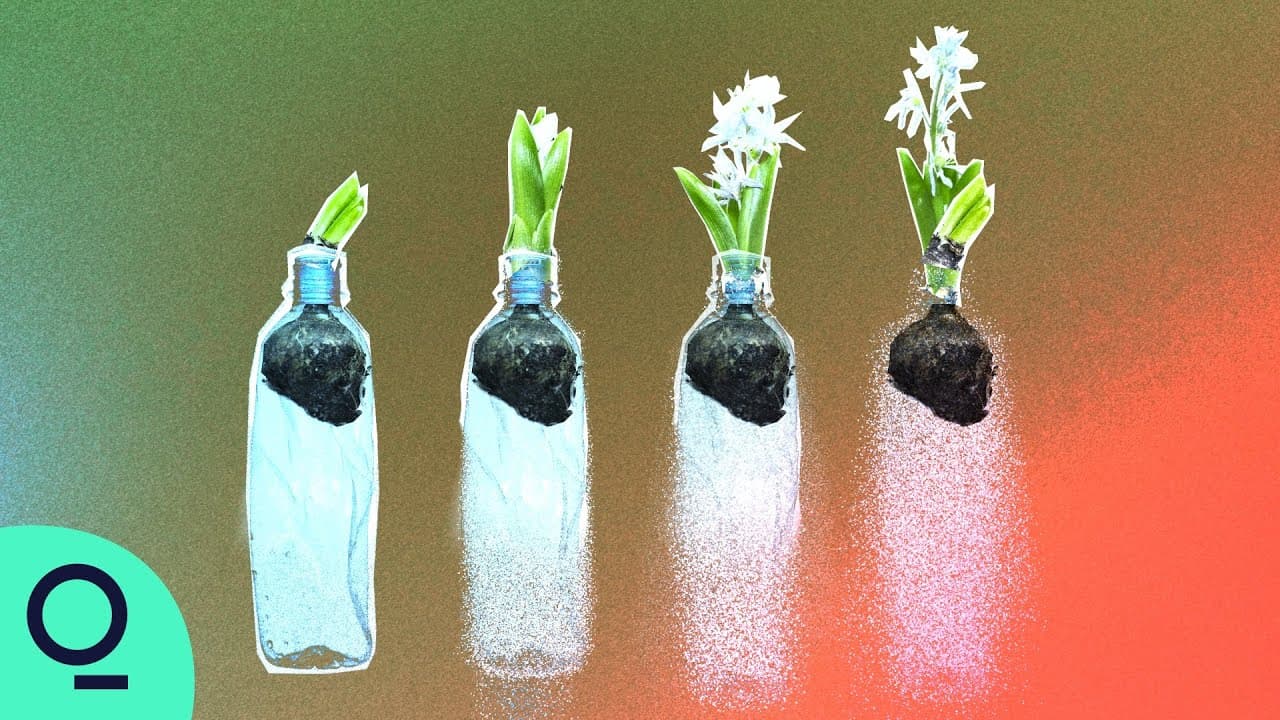
Plastic-eating bacteria may offer a solution to plastic pollution.
Transcript
There's a worldwide plastic production of 350 million tons a year. And about 300 million tons are ending up as waste. We've put billions of tons, actually, of plastic into the environment. By 2050 people have predicted that there'll be more plastic in the ocean than fish in terms of weight. Remnants of our products have spread to every corner of th... Read More
Key Insights
- Global plastic production is 350 million tons annually, with 300 million tons becoming waste, highlighting the scale of the pollution problem.
- By 2050, predictions suggest more plastic than fish in the oceans, emphasizing the urgent need for solutions to plastic waste.
- Plastic waste has infiltrated every part of the planet, underscoring the pervasive nature of this environmental issue.
- The rising cost of recycling and continued plastic production present significant challenges for waste management and environmental health.
- Recent discoveries of plastic-eating bacteria offer a promising avenue for addressing plastic pollution and creating cleaner products.
- These bacteria produce enzymes that can break down plastics, potentially reducing waste and mitigating environmental damage.
- The discovery of plastic-eating bacteria represents a significant scientific breakthrough with potential global environmental benefits.
- This innovation is part of broader scientific efforts to solve complex global problems and create a sustainable future.
Install to Summarize YouTube Videos and Get Transcripts
Explore YouTube Video Summarizer or Get YouTube Transcript Extractor
Questions & Answers
Q: What is the scale of global plastic production and waste?
Global plastic production is approximately 350 million tons per year, with about 300 million tons ending up as waste. This immense scale of production and waste highlights the severity of the plastic pollution problem, which has far-reaching environmental impacts and necessitates urgent solutions.
Q: What are the predictions for plastic in the oceans by 2050?
By 2050, it is predicted that there will be more plastic in the oceans than fish by weight. This alarming forecast underscores the critical need for effective solutions to manage plastic waste and prevent further environmental degradation of marine ecosystems.
Q: How has plastic waste affected the environment?
Plastic waste has spread to every corner of the planet, infiltrating ecosystems and causing significant harm to wildlife and natural habitats. The pervasive nature of plastic pollution poses serious threats to biodiversity and the health of ecosystems across the globe.
Q: What challenges are associated with recycling plastic?
The cost of recycling plastic is rising, presenting significant challenges for waste management. This economic barrier, coupled with continued high levels of plastic production, complicates efforts to reduce plastic waste and mitigate its environmental impact effectively.
Q: What recent scientific discovery offers hope for plastic waste management?
The discovery of plastic-eating bacteria offers hope for managing plastic waste. These bacteria produce enzymes capable of breaking down plastics, providing a potential natural solution to reduce plastic pollution and create cleaner, more sustainable products for the future.
Q: How do plastic-eating bacteria work to reduce plastic waste?
Plastic-eating bacteria work by producing enzymes that can break down the chemical structure of plastics. This process allows for the degradation of plastic materials, potentially reducing the volume of plastic waste and mitigating its environmental impact through natural means.
Q: What is the significance of discovering plastic-eating bacteria?
The discovery of plastic-eating bacteria represents a significant scientific breakthrough with the potential to transform waste management practices. By leveraging natural biological processes, these bacteria could help reduce plastic pollution and contribute to a more sustainable and environmentally friendly future.
Q: How does this discovery fit into broader scientific efforts?
This discovery is part of broader scientific efforts to address complex global challenges. By developing innovative solutions like plastic-eating bacteria, scientists aim to create a more sustainable future, tackling pressing environmental issues and improving the health of ecosystems worldwide.
Summary & Key Takeaways
-
Plastic pollution is a major global issue, with billions of tons of waste affecting ecosystems worldwide. Recent discoveries of plastic-eating bacteria offer hope for reducing this waste and creating cleaner products, potentially transforming waste management practices and environmental health.
-
The scale of plastic production and waste is staggering, with predictions of more plastic than fish in oceans by 2050. The discovery of plastic-eating bacteria provides a potential solution, leveraging natural processes to break down plastics and mitigate their environmental impact.
-
The development of plastic-eating bacteria is part of a larger scientific endeavor to address humanity's most pressing challenges. These bacteria could revolutionize how we manage plastic waste, contributing to a more sustainable and environmentally friendly future.
Read in Other Languages (beta)
Share This Summary 📚
Summarize YouTube Videos and Get Video Transcripts with 1-Click
Try YouTube Summary with ChatGPT & Claude or YouTube Transcript Generator
Explore More Summaries from Bloomberg Originals 📚


Summarize YouTube Videos and Get Video Transcripts with 1-Click
Try YouTube Summary with ChatGPT & Claude or YouTube Transcript Generator