What Were Romanian & Greek WWI Weapons?
TL;DR
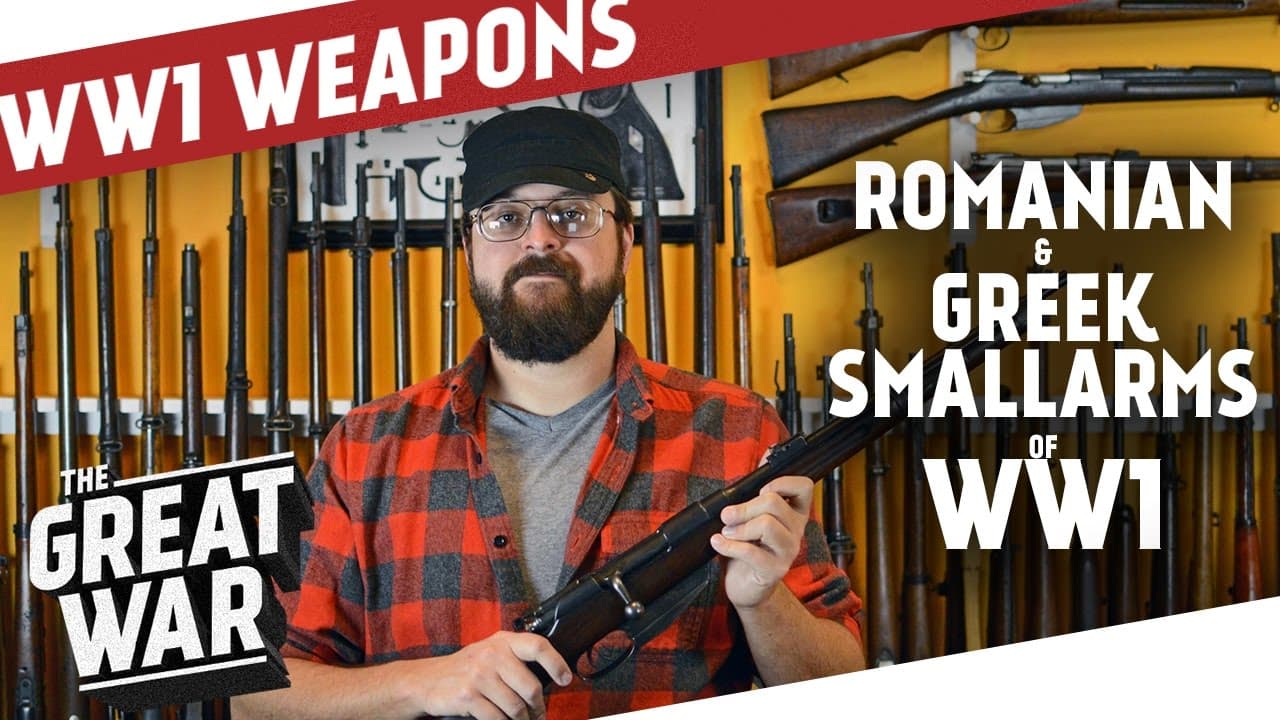
Romanian and Greek forces in WWI used a mix of locally adopted and foreign-supplied weapons. Romania primarily used the Mannlicher rifles and later French and Russian arms due to supply issues. Greece relied on the Mannlicher-Schoenauer rifles and had a mix of captured Ottoman and other foreign weapons. Both nations faced challenges with weapon supply and logistics during the war.
Transcript
just give me the sign okay hi I'm Indie nidel and welcome to a great War live stream special now we've done some specials uh in association with our one of our best Pals OAS from C and Arsenal which is a fantastic YouTube channel that you should all check out we've done some specials with him in the past about uh the different weapons of some of th... Read More
Key Insights
- Romania initially used Mannlicher rifles, which became scarce as they were cut off from Austria-Hungary, their supplier.
- Romania faced logistical challenges, relying on domestic production that couldn't meet wartime demands.
- Greece adopted the Mannlicher-Schoenauer, a highly regarded but expensive rifle, before WWI.
- Both countries had to supplement their arsenals with captured and allied-supplied weapons as the war progressed.
- Greece's weaponry included French Rubies and Colt Army Specials, often supplied through France.
- Romania and Greece both struggled with ammunition supply due to their complex political and military alliances.
- The Romanian Peabody-Martini single-shot rifles were used due to shortages of more modern arms.
- Both nations' armies faced morale issues due to equipment shortages and the quality of weapons compared to their adversaries.
Install to Summarize YouTube Videos and Get Transcripts
Explore YouTube Video Summarizer or Get YouTube Transcript Extractor
Questions & Answers
Q: How did Romania manage weapon supply during WWI?
Romania initially used Mannlicher rifles from Austria-Hungary, but once they joined the war against them, they faced severe supply issues. They relied on domestic production, which was insufficient, and later received French and Russian weapons to fill the gaps. This logistical challenge strained their military capabilities.
Q: What was the primary rifle used by Greece in WWI?
Greece primarily used the Mannlicher-Schoenauer rifle, known for its smooth operation and precision. It was a complex and expensive rifle that Greece adopted before WWI. As the war progressed, they supplemented their arsenal with captured Ottoman weapons and French-supplied arms.
Q: Why did Romania face challenges with ammunition supply?
Romania's challenges with ammunition supply stemmed from their reliance on Austria-Hungary for weapons, which became problematic after they went to war against them. Their domestic production couldn't meet the demands, and they had to rely on French and Russian aid, complicating logistics.
Q: How did Greece acquire its weapons during WWI?
Greece acquired its weapons through a mix of pre-war purchases, like the Mannlicher-Schoenauer rifles, and wartime supplies from allies such as France. They also used captured Ottoman weapons from previous conflicts, which added to their logistical complexity.
Q: What types of handguns did Greece use during WWI?
Greece used a variety of handguns during WWI, including the French Ruby pistols and the Colt Army Specials. These were often supplied through France, reflecting Greece's strategic alliances during the war.
Q: What role did captured weapons play for Romania and Greece?
Captured weapons played a significant role for both Romania and Greece as their initial supplies dwindled. Romania used captured Austro-Hungarian arms, while Greece utilized captured Ottoman weapons, helping to supplement their arsenals despite logistical challenges.
Q: How did weapon shortages affect Romanian and Greek troops?
Weapon shortages significantly affected Romanian and Greek troops by impacting morale and combat effectiveness. Romanian troops faced ammunition shortages and had to use outdated single-shot rifles. Greek troops, although equipped with high-quality rifles, struggled with supply consistency and a diverse mix of weapons.
Q: What were the logistical challenges for Romania and Greece during WWI?
Both Romania and Greece faced logistical challenges due to their reliance on foreign weapon suppliers and the complex political landscape. Romania's break with Austria-Hungary disrupted their supply chain, while Greece's diverse arsenal from multiple sources complicated logistics and maintenance.
Summary & Key Takeaways
-
Romania relied on Mannlicher rifles, but supply issues forced them to use a mix of French and Russian arms, facing logistical challenges due to their war against their arms supplier, Austria-Hungary.
-
Greece used the Mannlicher-Schoenauer rifles, highly valued for their precision, but expensive and complicated to produce. They supplemented with captured Ottoman and French-supplied weapons.
-
Both nations faced significant challenges in maintaining weapon supply and logistics, impacting their military effectiveness during WWI.
Read in Other Languages (beta)
Share This Summary 📚
Summarize YouTube Videos and Get Video Transcripts with 1-Click
Try YouTube Summary with ChatGPT & Claude or YouTube Transcript Generator
Explore More Summaries from The Great War 📚


Summarize YouTube Videos and Get Video Transcripts with 1-Click
Try YouTube Summary with ChatGPT & Claude or YouTube Transcript Generator