How to rob a bank (from the inside, that is) | William Black
TL;DR
In this content, the author discusses the need to educate ourselves about the recurring financial crises and the recipe for accounting control fraud that causes them.
Transcript
So today's top chef class is in how to rob a bank, and it's clear that the general public needs guidance, because the average bank robbery nets only 7,500 dollars. Rank amateurs who know nothing about how to cook the books. The folks who know, of course, run our largest banks, and in the last go-around, they cost us over 11 trillion dollars. That's... Read More
Key Insights
- 📊 Control fraud is a major factor in financial crises, where CEOs of seemingly legitimate entities use them as weapons to defraud, leading to catastrophic losses and financial bailouts.
- 🔍 By following a recipe of growing rapidly, making or buying low-quality loans at high interest rates, employing extreme leverage, and providing minimal loss reserves, banks can guarantee record profits for CEOs and eventual failure unless bailed out.
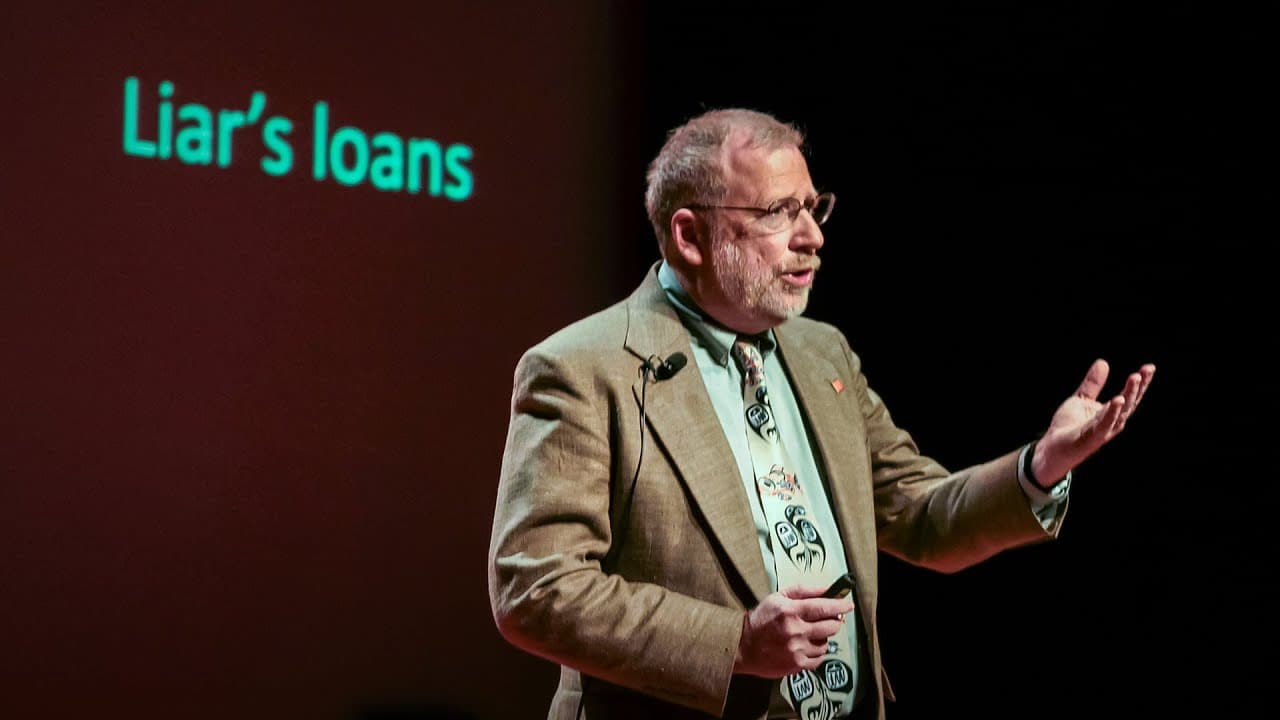
- 🔒 Early warnings of epidemics of accounting control fraud, such as appraisal fraud (inflating home values) and liar's loans (lending without verifying borrower income), were ignored or encouraged by the industry, regulators, and prosecutors.
- 💰 Industry response to warnings included increasing liar's loans by over 500% between 2003 and 2006, despite knowing the high fraud risk, while appraisal fraud became more endemic as well.
- 🔁 Regulators and prosecutors failed to act on warnings and make any criminal referrals or convictions, leading to zero prosecutions of elite bank frauds that caused the financial crisis.
- 👥 Perverse incentive structures, systemically dangerous institutions, executive compensation reform, and reversing deregulation, desupervision, and decriminalization are necessary to prevent future financial crises and reduce their severity.
- 💼 Financial crises have significant effects on inequality and democracy, leading to crony capitalism and a lack of meaningful reforms due to political contributions from large financial institutions.
- 🔐 Understanding the recipe for control fraud is crucial in order to enact necessary changes, as legislators may not take action without external pressure.
Install to Summarize YouTube Videos and Get Transcripts
Explore YouTube Video Summarizer or Get YouTube Transcript Extractor
Questions & Answers
Q: What is the average amount of money usually obtained in a bank robbery?
The average bank robbery typically nets only $7,500.
Q: How much money was lost in the last financial crisis?
The last financial crisis cost over $11 trillion.
Q: How many jobs were lost as a result of the last financial crisis?
The last financial crisis resulted in the loss of over 10 million jobs.
Q: What is control fraud?
Control fraud occurs when the individuals who control a seemingly legitimate entity, typically a CEO, use it as a weapon to defraud.
Q: What are the four ingredients of the recipe for accounting control fraud?
The four ingredients of the recipe for accounting control fraud are: growing aggressively, making or buying low-quality loans with high interest rates, employing high levels of debt compared to equity, and providing minimal loss reserves.
Q: How did the discovery of the recipe for accounting control fraud come about?
The recipe for accounting control fraud was discovered through an autopsy process during the savings and loan debacle in 1984. By analyzing every single failure, common characteristics were identified, leading to the discovery of this recipe.
Q: What were the two epidemics of loan origination fraud that drove the crisis?
The two epidemics of loan origination fraud that drove the crisis were appraisal fraud and liar's loans.
Q: How did the industry, regulators, and prosecutors respond to the warnings of fraud?
The industry responded by increasing liar's loans by over 500% between 2003 and 2006. Regulators, such as the Federal Reserve, did not utilize their authority to stop liar's loans. Prosecutors made zero criminal referrals and convictions for elite bank frauds that contributed to the crisis.
Summary & Key Takeaways
-
This content discusses the prevalence of control fraud and its role in causing financial crises, such as the one that cost over 11 trillion dollars and 10 million jobs.
-
The content explains that control fraud occurs when individuals in positions of power manipulate seemingly legitimate entities for fraudulent purposes, often using accounting techniques.
-
The content highlights early warnings and opportunities to prevent the crisis, but notes the lack of action from the industry, regulators, and prosecutors.
Read in Other Languages (beta)
Share This Summary 📚
Summarize YouTube Videos and Get Video Transcripts with 1-Click
Try YouTube Summary with ChatGPT & Claude or YouTube Transcript Generator
Explore More Summaries from TED 📚






Summarize YouTube Videos and Get Video Transcripts with 1-Click
Try YouTube Summary with ChatGPT & Claude or YouTube Transcript Generator