How Is Evanston Pioneering Municipal Reparations?
TL;DR
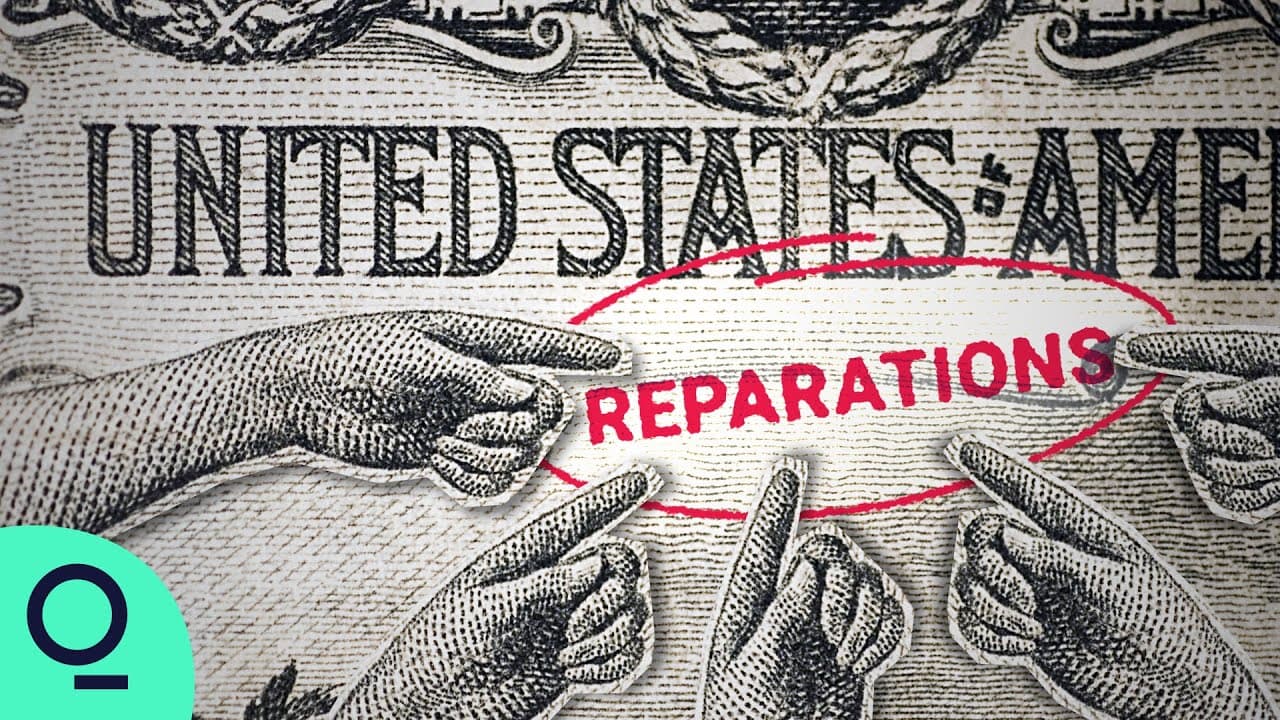
Evanston, Illinois has launched the first municipal reparations program in the U.S., providing $25,000 to eligible black residents for housing-related expenses. Funded by cannabis tax revenue, this initiative aims to address historical racial injustices and systemic barriers in wealth accumulation. It is designed to acknowledge reparations as a debt for past injustices rather than a handout.
Transcript
[Ta-Nehisi Coates] If I injure you, the injury persists even after I actually commit the act. If I stabbed you, you may suffer complications long after that initial, actual stabbing. That's the case with African-Americans. They're people well within the living memory of this country, they're still suffering from the after effects of that. [demonstr... Read More
Key Insights
- Reparations aim to address historical injustices suffered by African-Americans, acknowledging the lasting impact of slavery and discrimination.
- Evanston, Illinois, has become the first city in the U.S. to implement a reparations program, funded by cannabis sales tax, targeting historical racial disparities.
- The program provides eligible black residents with $25,000 for housing to build wealth, addressing systemic barriers in property ownership.
- Historically, reparations have been paid to slave owners rather than the enslaved, highlighting an imbalance that current efforts seek to rectify.
- The program in Evanston is a modest first step, affecting a small number of families, but it sets a precedent for local governments to address racial injustices.
- Reparations are seen as a debt for past wrongs, not a handout, and there is growing support among both black and some white Americans.
- The initiative in Evanston has sparked broader conversations about reparations, with discussions about expanding efforts and studying reparations at a national level.
- The conversation around reparations involves addressing uncomfortable truths about history, with communities working together to bridge racial divides.
Install to Summarize YouTube Videos and Get Transcripts
Explore YouTube Video Summarizer or Get YouTube Transcript Extractor
Questions & Answers
Q: What is the focus of Evanston's reparations program?
Evanston's reparations program focuses on addressing historical racial injustices by providing eligible black residents with $25,000 for housing-related purposes. This initiative aims to build wealth and address systemic barriers in property ownership that have historically disadvantaged black communities in Evanston, Illinois.
Q: How is Evanston's reparations program funded?
Evanston's reparations program is funded through a portion of the city's cannabis sales tax revenue. This funding mechanism was chosen because a disproportionate number of marijuana arrests occurred in the black community, highlighting a systemic issue that the program seeks to address by redirecting those funds towards reparative efforts.
Q: What historical context is provided for reparations in the video?
The video provides historical context by highlighting that reparations have historically been paid to slave owners rather than the enslaved, both in the U.S. and internationally. This includes examples like the French government's demand for reparations from Haiti and the British government's payments to enslavers, underscoring the imbalance that current efforts aim to rectify.
Q: What challenges does the reparations initiative face?
The reparations initiative faces challenges such as the modest scale of the program, which initially impacts a small number of families. Additionally, there is controversy and discomfort around the topic, as it involves addressing uncomfortable historical truths and systemic racism, requiring communities to engage in difficult conversations about their past.
Q: How does the video address the broader conversation about reparations?
The video addresses the broader conversation about reparations by discussing the potential for expanding efforts beyond Evanston and studying reparations at a national level. It highlights the importance of these discussions in bridging racial divides and acknowledges that reparations are seen as a debt for past wrongs, not a handout.
Q: What role does education play in the reparations discussion?
Education plays a crucial role in the reparations discussion by helping communities understand and confront their historical legacies. The video emphasizes that learning from history and addressing uncomfortable truths about racism and discrimination are essential steps in the reparations process, fostering a more informed and inclusive dialogue.
Q: What impact does Evanston's program have on the national reparations conversation?
Evanston's program has a significant impact on the national reparations conversation by setting a precedent for local governments to address racial injustices. It demonstrates a practical approach to reparations, encouraging other municipalities to consider similar initiatives and contributing to the broader dialogue about reparations at the national level.
Q: How does the video depict the community's response to the reparations initiative?
The video depicts the community's response to the reparations initiative as a mix of hope and skepticism. While some see it as a positive step towards addressing historical wrongs, others express concern that the program's scale is too modest to truly repair the harm. It highlights the ongoing dialogue and the need for continued efforts to expand reparative actions.
Summary & Key Takeaways
-
Evanston, Illinois, has launched the first municipal reparations program in the U.S., funded by cannabis tax revenue, to address historical racial injustices. The program provides $25,000 to eligible black residents for housing-related purposes, aiming to build wealth and address systemic barriers.
-
Historically, reparations have been paid to slave owners rather than the enslaved, a disparity that current efforts seek to correct. Evanston's initiative is a modest step, affecting a small number of families, but it sets a precedent for addressing racial injustices at the local level.
-
Reparations are viewed as a debt for past injustices, not a handout. The initiative has sparked broader conversations about reparations, with discussions about expanding efforts and studying reparations at a national level, involving communities in addressing uncomfortable historical truths.
Read in Other Languages (beta)
Share This Summary 📚
Summarize YouTube Videos and Get Video Transcripts with 1-Click
Try YouTube Summary with ChatGPT & Claude or YouTube Transcript Generator
Explore More Summaries from Bloomberg Originals 📚




Summarize YouTube Videos and Get Video Transcripts with 1-Click
Try YouTube Summary with ChatGPT & Claude or YouTube Transcript Generator