What Was the Chinese Warlord Era 1922-1928?
TL;DR
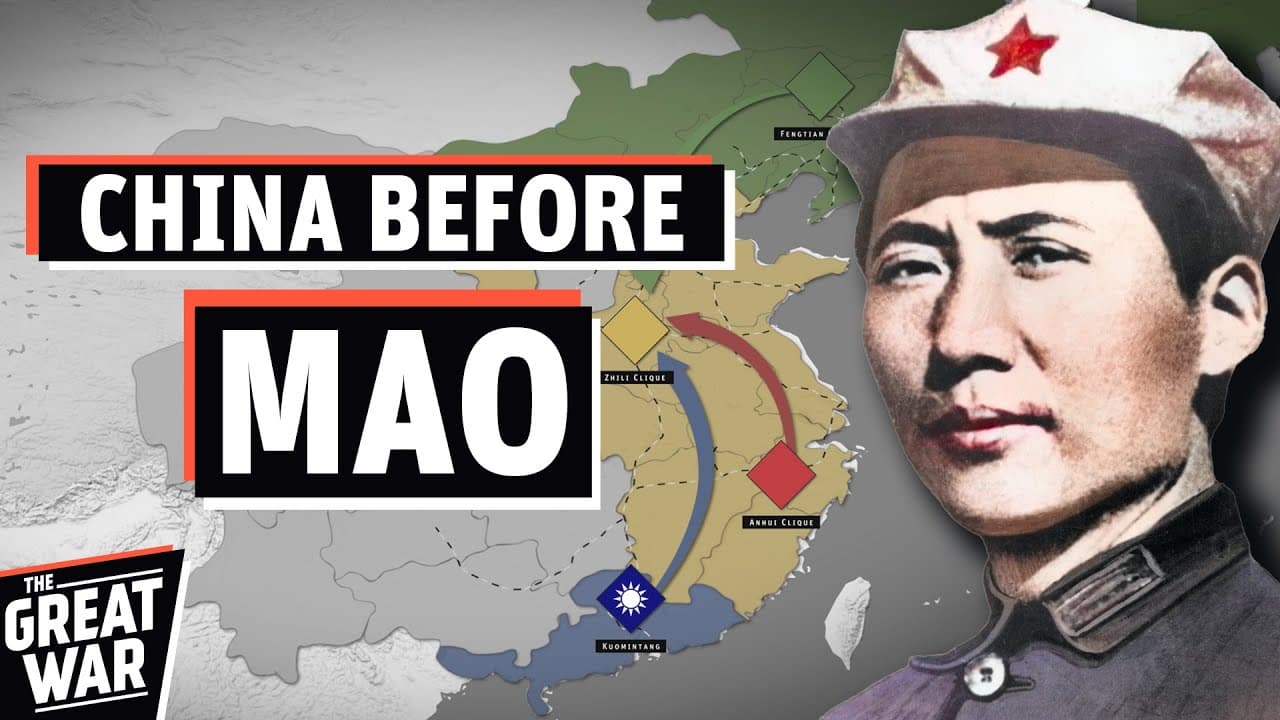
The Chinese Warlord Era from 1922 to 1928 was marked by intense civil conflict among various cliques vying for control over China. This period saw numerous factions battling for power, leading to widespread chaos and instability. The conflict escalated after the Anhui-Zhili War, with more groups joining the fray, making it a complex and tumultuous time in Chinese history.
Transcript
Nebula, like our World War 2 series Rhineland 45. As usual, you can find all our sources for this episode in the video description. If you want to support our channel, you can support us on Patreon – the links are in the video description below as well. I’m Jesse Alexander and this is The Great War, a production of Real Time History and the only Yo... Read More
Key Insights
- The Chinese Warlord Era was a period of intense civil conflict from 1922 to 1928.
- Multiple factions, known as cliques, fought for supremacy in China during this era.
- The Anhui-Zhili War was a significant catalyst that escalated the conflicts among warlords.
- The era was characterized by chaos and instability, with shifting alliances and power struggles.
- Numerous players joined the conflict, making it a complex power dynamic.
- The warlord era significantly impacted China's political and social landscape.
- The era ended with the rise of the Nationalist government and the Northern Expedition.
- Understanding the Warlord Era is crucial for comprehending modern Chinese history.
Install to Summarize YouTube Videos and Get Transcripts
Explore YouTube Video Summarizer or Get YouTube Transcript Extractor
Questions & Answers
Q: What was the Chinese Warlord Era?
The Chinese Warlord Era was a period from 1922 to 1928 characterized by intense civil conflict among various factions known as cliques. These groups fought for control over China, leading to widespread chaos and instability. The era was marked by shifting alliances and complex power struggles, significantly impacting China's political landscape.
Q: How did the Anhui-Zhili War affect the Warlord Era?
The Anhui-Zhili War was a significant catalyst in the Warlord Era, escalating the conflicts among various factions. It intensified the power struggles and led to more groups joining the fray, further complicating the already chaotic and unstable political situation in China during this period.
Q: Who were the main factions in the Warlord Era?
The main factions in the Warlord Era were various cliques, each led by powerful warlords vying for control over different regions of China. These factions included well-known groups like the Zhili Clique, Anhui Clique, and Fengtian Clique, among others, each with its own ambitions and alliances.
Q: What were the consequences of the Warlord Era for China?
The Warlord Era had significant consequences for China, leading to widespread chaos and instability. It disrupted the country's political and social order, creating a fragmented and tumultuous landscape. The era's end paved the way for the rise of the Nationalist government and the Northern Expedition, which aimed to unify China.
Q: How did the Warlord Era end?
The Warlord Era ended with the rise of the Nationalist government and the Northern Expedition, a military campaign led by the Kuomintang to unify China. This campaign successfully defeated many of the warlord factions, leading to the establishment of a centralized government and the eventual end of the chaotic period.
Q: What role did foreign powers play in the Warlord Era?
Foreign powers played a significant role in the Warlord Era by providing support and resources to various factions. Countries like Japan, the Soviet Union, and Western powers had vested interests in China and often backed different warlords to further their geopolitical agendas, influencing the course of the conflicts.
Q: Why is the Warlord Era important in Chinese history?
The Warlord Era is important in Chinese history because it marked a period of fragmentation and power struggles that significantly influenced the country's political trajectory. Understanding this era helps explain the subsequent rise of the Nationalist government and the Communist movement, shaping modern China's development.
Q: How did the Warlord Era impact Chinese society?
The Warlord Era impacted Chinese society by creating widespread instability and chaos, affecting the daily lives of ordinary citizens. The constant conflicts and power shifts disrupted social order, leading to economic hardships and social unrest. This period also influenced cultural and political movements, contributing to China's modernization efforts.
Summary & Key Takeaways
-
The Chinese Warlord Era from 1922 to 1928 was marked by violent civil conflicts among various cliques seeking control over China. This period saw a complex power struggle with shifting alliances and widespread instability. The Anhui-Zhili War further escalated tensions, leading to more factions joining the conflict.
-
The era was characterized by chaos, with numerous factions known as cliques battling for supremacy. The power struggles and shifting alliances created a tumultuous political landscape in China, significantly impacting its history and setting the stage for future developments.
-
The Warlord Era concluded with the rise of the Nationalist government and the Northern Expedition, which aimed to unify China. Understanding this period is essential for comprehending the political and social transformations that shaped modern China.
Read in Other Languages (beta)
Share This Summary 📚
Summarize YouTube Videos and Get Video Transcripts with 1-Click
Try YouTube Summary with ChatGPT & Claude or YouTube Transcript Generator
Explore More Summaries from The Great War 📚


Summarize YouTube Videos and Get Video Transcripts with 1-Click
Try YouTube Summary with ChatGPT & Claude or YouTube Transcript Generator