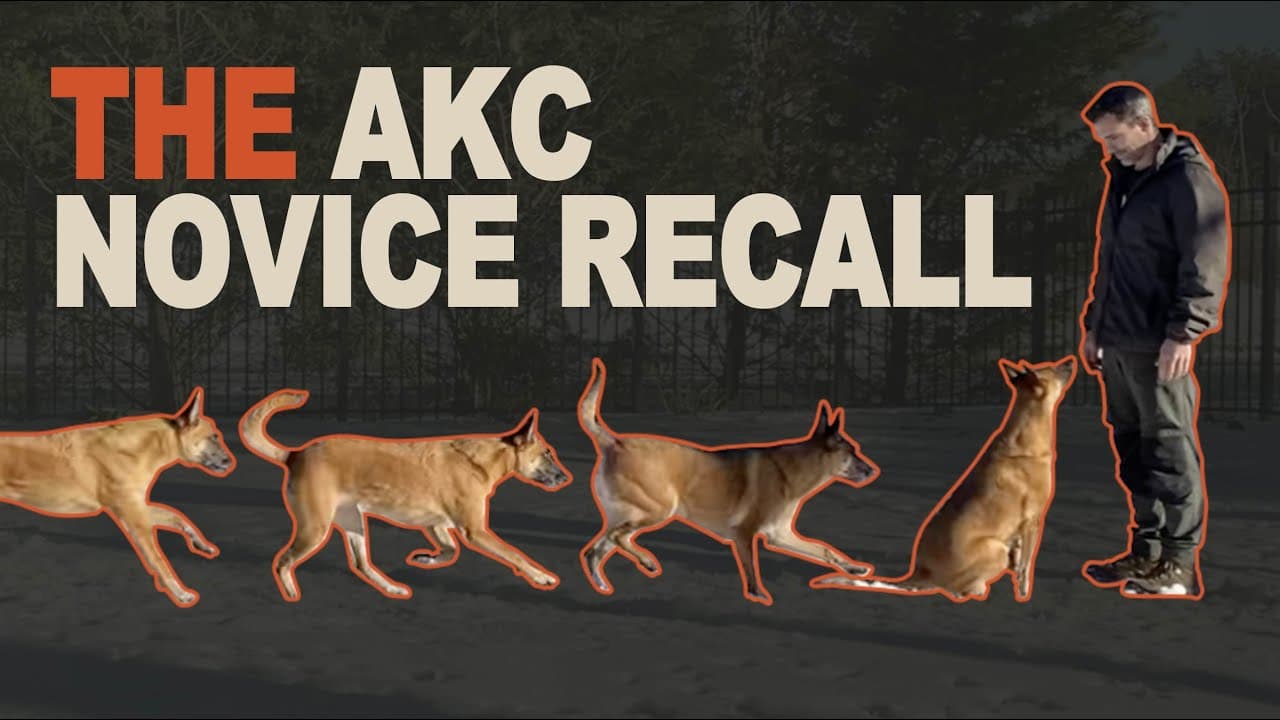
Expert Tips for Acing the AKC Novice Recall Exercise
TL;DR
Learn expert tips for teaching the AKC Novice recall routine.
Transcript
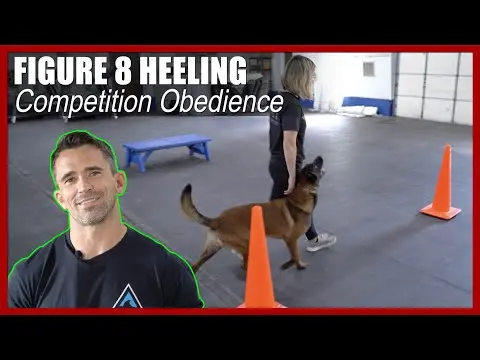
in the last akc novice video we covered the stand for examination the next one on the list would be the heal free portion however this exercise is performed in the same manner as the helon leash and figure eight that we covered about a month ago just without the leash or the figure eight in fact the scoring and orders will be the same as well so in... Read More
Key Insights
- The AKC Novice recall exercise requires the dog to stay until called and respond promptly to the handler's command or signal.
- Handlers can use a command, a signal, or both to instruct the dog to stay but must avoid additional commands to prevent disqualification.
- The dog must come directly to the handler at a brisk pace and sit straight and centered upon arrival.
- Substantial points are lost if additional commands are needed for the dog to sit or finish in heel position.
- Training involves starting with the dog in a sit front position and gradually increasing distance to ensure a clear understanding.
- Using the 'wrong' marker and leash pressure helps correct mistakes by guiding the dog back to the desired position.
- Handlers should avoid pattern training to prevent the dog from anticipating commands, ensuring varied training sessions.
- Ending training sessions on a positive note while the dog is still engaged is crucial to maintain interest and enthusiasm.
Install to Summarize YouTube Videos and Get Transcripts
Explore YouTube Video Summarizer or Get YouTube Transcript Extractor
Questions & Answers
Q: What is the principal feature of the AKC Novice recall exercise?
The principal feature of the AKC Novice recall exercise is that the dog must stay where left until called by the handler and respond promptly to the handler's command or signal to come. This requires the dog to maintain focus and discipline, ensuring they execute the recall with precision.
Q: How should a handler instruct the dog to stay in the AKC Novice recall exercise?
A handler can instruct the dog to stay using a command, a signal, or both. However, they must avoid giving additional commands or signals to prevent receiving a non-qualifying score. Some handlers prefer to leave the dog without saying anything, relying on the dog's understanding of the sit position as an implied stay.
Q: What are the consequences of the dog not sitting straight and centered upon arrival?
If the dog does not sit straight and centered upon arrival, the handler can lose substantial points, especially if additional commands are necessary to correct the position. The dog must be close enough for the handler to touch its head without excessive movement, ensuring precise execution of the exercise.
Q: How can a handler correct a dog that comes in crooked during the recall?
To correct a dog that comes in crooked during the recall, the handler can step back as a physical cue to encourage the dog to adjust its position and come in straight. This technique is part of fading, where the handler gradually reduces movement until the cue is no longer needed.
Q: What is the purpose of the 'wrong' marker in training?
The 'wrong' marker is used as a non-reinforcement marker to indicate that the dog has made a mistake. It signals the dog to stop the current action and return to the previous position. Leash pressure may accompany the marker to guide the dog back to the desired position, reinforcing correct behavior.
Q: Why is it important to avoid pattern training?
Avoiding pattern training is important to prevent the dog from anticipating commands, which can lead to premature actions and mistakes. By varying the training routine and occasionally rewarding the dog for staying instead of recalling, handlers help the dog remain attentive and responsive to commands.
Q: What is the recommended way to end a training session?
Training sessions should end on a positive note while the dog is still engaged and having fun. This approach prevents boredom and maintains the dog's interest in training. Short, enjoyable sessions ensure the dog remains enthusiastic about learning and eager to participate in future training activities.
Q: What additional resources are available for further learning?
Additional resources for further learning include related videos on teaching the dog to come when called, solidifying the heel position, mastering the stay command, and advanced training techniques like the flip and by finishes. A comprehensive dog training manual and links to products used in training are also available.
Summary & Key Takeaways
-
The video provides a detailed guide on teaching dogs the AKC Novice recall exercise, emphasizing the importance of the dog staying until called and responding promptly. The trainer offers tips on commands, signals, and maintaining proper positions during the exercise.
-
Key strategies include starting training with the dog in a sit front position, gradually increasing distance, and using markers like 'wrong' to correct mistakes. The trainer also highlights the importance of avoiding pattern training to prevent anticipation.
-
Ending training sessions positively is stressed to keep the dog engaged and interested. The video also mentions additional resources for further learning, including related videos and a dog training manual available for purchase.
Read in Other Languages (beta)
Share This Summary 📚
Summarize YouTube Videos and Get Video Transcripts with 1-Click
Try YouTube Summary with ChatGPT & Claude or YouTube Transcript Generator
Explore More Summaries from Nate Schoemer 📚


Summarize YouTube Videos and Get Video Transcripts with 1-Click
Try YouTube Summary with ChatGPT & Claude or YouTube Transcript Generator