Stanford HAI 2019 Fall Conference - Race, Rights and Facial Recognition
TL;DR
This panel discussion explores the ethical challenges and implications of facial recognition technology, highlighting issues of bias, discrimination, and privacy concerns.
Transcript
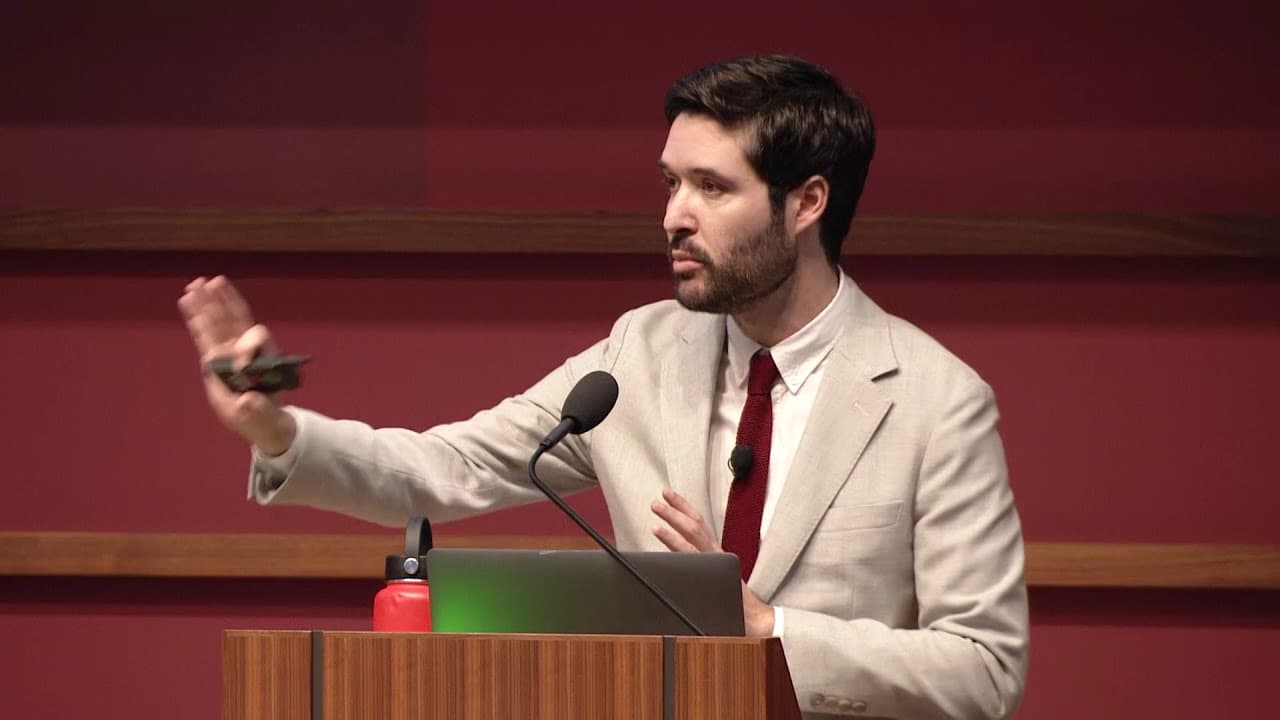
- My name is Daniel Murray. I'm the executive director of Stanford's Center for Comparative Studies in Race and Ethnicity. We're a research and teaching center here committed to advancing racial justice through the comparative understanding of race. Before we get started, I'd like to begin by acknowledging that the land that we are standing on here... Read More
Key Insights
- 🔀 Facial recognition technology poses an unprecedented threat to civil rights and civil liberties, allowing the government to track, identify, and control individuals through automated surveillance.
- 😫 The flawed technology and biased data sets used in facial recognition algorithms result in misidentifications, wrongful arrests, and potential violations of privacy.
- 🤨 Increased surveillance in communities of color raises concerns about equity and civil liberty, while affect recognition technology can lead to discriminatory actions in workplaces and classrooms.
- 🎨 Policymakers, the public, and technology companies have a responsibility to address the ethical concerns of facial recognition technology and engage in interdisciplinary debates to design and implement responsible solutions.
Install to Summarize YouTube Videos and Get Transcripts
Explore YouTube Video Summarizer or Get YouTube Transcript Extractor
Questions & Answers
Q: How does facial recognition technology contribute to racial bias and discrimination?
Facial recognition technology has been found to be biased and inaccurate, causing wrongful arrests and other negative consequences, especially for people of color. Flawed data sets and implementation strategies have resulted in discriminatory practices.
Q: What are the ethical concerns related to facial recognition technology?
There are several ethical concerns, including the potential violation of privacy and civil liberties, increased surveillance in communities of color that are already over-policed, and the use of affect recognition technology to determine emotional states, which can lead to discriminatory actions.
Q: How can we address the challenges of facial recognition technology?
The panel suggests implementing a moratorium or ban on facial recognition technology to prevent its misuse and potential harm. It is important to involve diverse perspectives and engage in interdisciplinary discussions to develop ethical guidelines and regulations.
Q: What are the implications of facial recognition technology for marginalized communities?
Marginalized communities, such as people of color, are disproportionately impacted by biased facial recognition technology. It can lead to wrongful arrests, racial profiling, and further marginalization. It is crucial to consider the potential harm and ensure that these technologies do not perpetuate discrimination.
Summary & Key Takeaways
-
The panel discusses racial justice in the development and deployment of AI technology, particularly facial recognition technology, highlighting the dangers of biased data and implementation.
-
They raise concerns about privacy and civil liberties, including increased surveillance in communities of color and the potential misuse of affect recognition technology in classrooms and workplaces.
-
The panelists emphasize the need for diverse interdisciplinary debate and responsible regulation in designing and implementing new technologies.
Read in Other Languages (beta)
Share This Summary 📚
Summarize YouTube Videos and Get Video Transcripts with 1-Click
Try YouTube Summary with ChatGPT & Claude or YouTube Transcript Generator
Explore More Summaries from Stanford 📚





Summarize YouTube Videos and Get Video Transcripts with 1-Click
Try YouTube Summary with ChatGPT & Claude or YouTube Transcript Generator