How We Work Podcast: Kim Scott on Radical Candor & Just Work | Workhuman
TL;DR
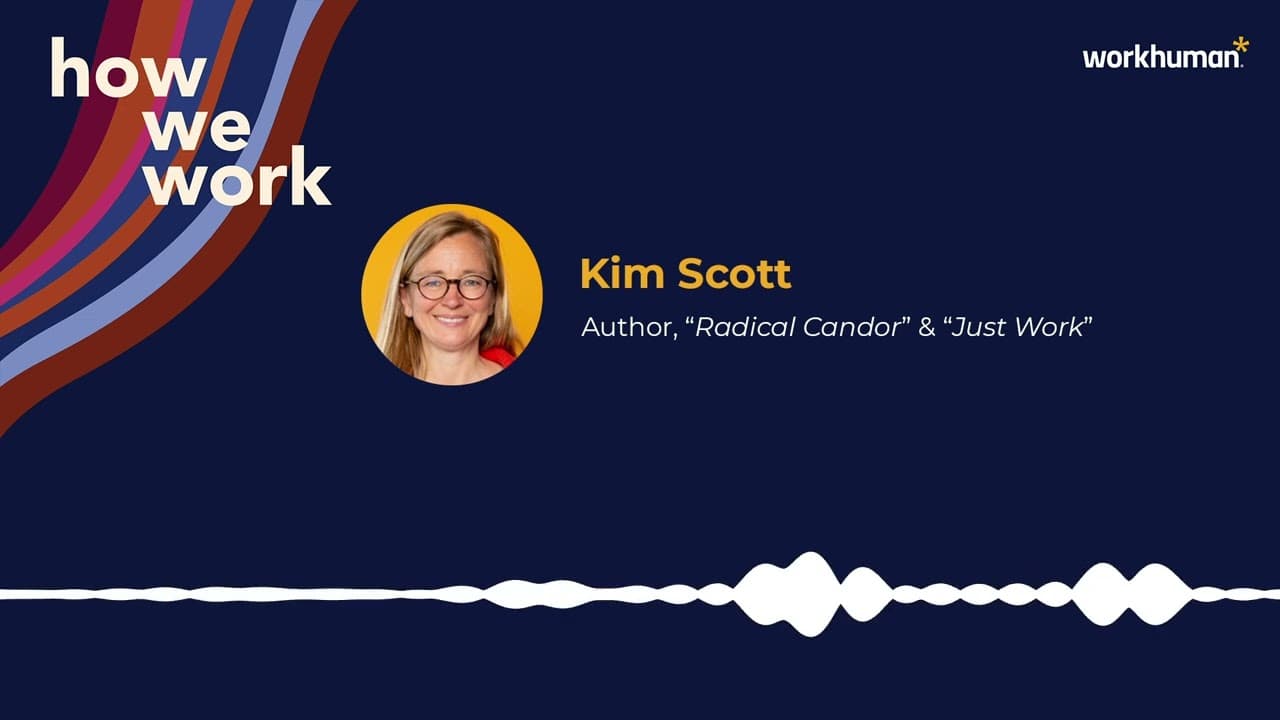
Author and workplace expert Kim Scott discusses the importance of radical candor and delivering feedback with humanity in order to improve employee engagement and prevent turnover.
Transcript
welcome to how we work from work human a podcast about the trends issues relationships and phenomena that shape our workplaces i'm mike lovett it's february 2022 and if i had to guess many of you completed your annual reviews in the last few weeks it's a time to get valuable feedback look back on accomplishments and set goals for the year and as he... Read More
Key Insights
- 🥅 Regular feedback and goal setting should be a consistent practice in organizations to prevent turnover and improve employee engagement.
- 😨 Radical candor requires a balance of honest communication and personal care for employees.
- 💳 Bias disruptors can help address and disrupt bias in the workplace through shared vocabulary, response scripts, and a shared commitment to change.
Install to Summarize YouTube Videos and Get Transcripts
Explore YouTube Video Summarizer or Get YouTube Transcript Extractor
Questions & Answers
Q: What is the origin of the term "radical candor"?
Kim Scott came up with the term "radical candor" during a conversation with author Dan Pink in an elevator. They wanted a title that sounded cool and would sell books, but it's important to note that radical candor is not about being obnoxiously aggressive.
Q: How can leaders create a culture of radical candor in their organizations?
Leaders should focus on caring for their employees as human beings, showing empathy, and challenging them directly when necessary. Building strong relationships and showing genuine care can create a culture of compassion and honesty.
Q: How can bias disruptors help address bias in the workplace?
Bias disruptors involve having a shared vocabulary for recognizing and discussing bias, providing a script for responding to feedback, and making a shared commitment to address bias when it occurs. These practices help create a culture where bias can be openly addressed and disrupted.
Q: Why is gratitude important in conjunction with radical candor?
Gratitude and praise are essential components of radical candor. They create optimism, motivate individuals to continue doing good work, and set an example for others. Specific and genuine appreciation helps paint a picture of what is possible and fosters a positive work environment.
Summary & Key Takeaways
-
Annual reviews should not be the only time for valuable feedback and goal setting in a company; research shows that it should be happening consistently, at least monthly.
-
Radical candor, or honest and caring communication, is essential in creating a positive workplace culture and improving relationships.
-
Feedback should be given with empathy and a focus on long-term growth, rather than simply criticizing or praising without context.
Read in Other Languages (beta)
Share This Summary 📚
Summarize YouTube Videos and Get Video Transcripts with 1-Click
Try YouTube Summary with ChatGPT & Claude or YouTube Transcript Generator
Explore More Summaries from How We Work Podcast 📚





Summarize YouTube Videos and Get Video Transcripts with 1-Click
Try YouTube Summary with ChatGPT & Claude or YouTube Transcript Generator