China's Vision of a Censored Internet is Spreading
TL;DR
China's internet model, Cybersovereignty, is spreading globally, challenging Western ideals.
Transcript
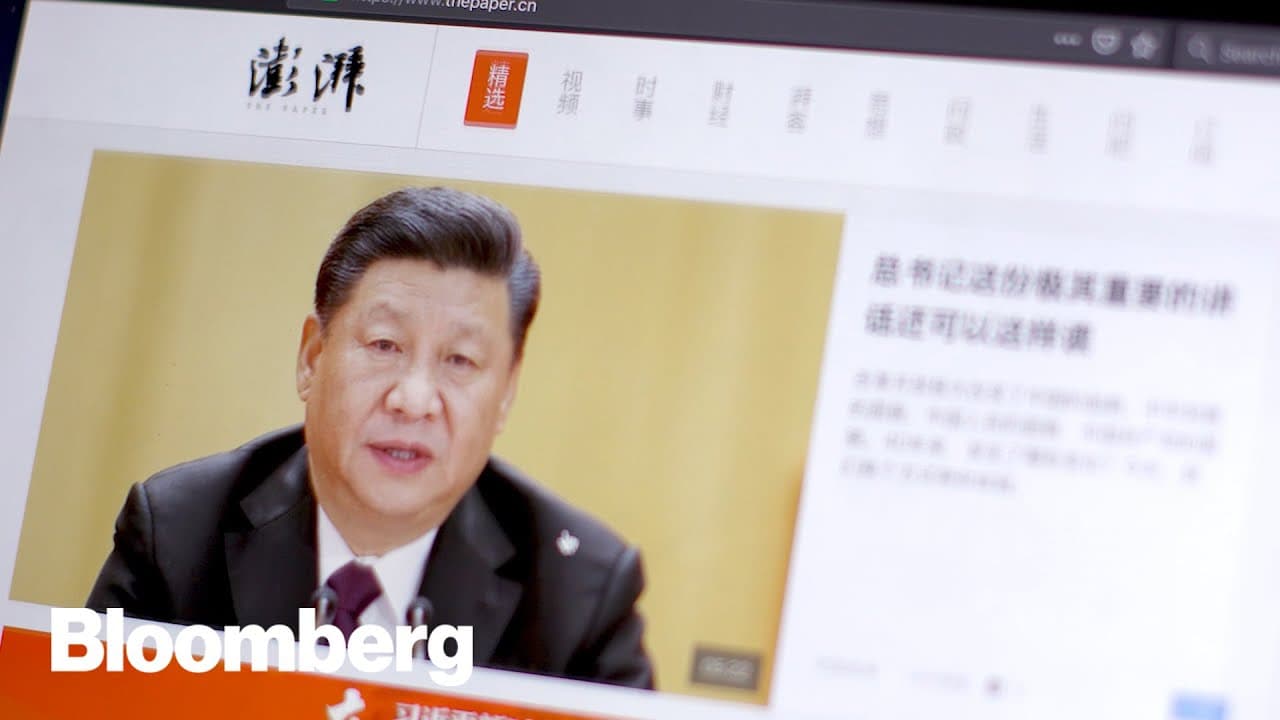
China is offering a new vision of the internet, one which combines sweeping content curbs with uncompromising data controls. The idea is called Cybersovereignty and it's already spreading around the world. This is your Bloomberg QuickTake on the new Cyber Cold War. Welcome! It's the new millennium, and a simpler time for the internet. Western tech ... Read More
Key Insights
- China's Cybersovereignty model combines strict content control with robust data regulations, challenging the traditional Western internet model focused on freedom and transparency.
- The Chinese model is gaining traction globally, particularly in Southeast Asia, where countries like Vietnam and Thailand are adopting similar internet control measures.
- Cybersovereignty allows nations to set internet rules for their citizens, enabling them to control accessible content and data storage within their borders.
- The Chinese internet vision does not hinder economic growth; instead, it proposes that innovation can thrive alongside content regulation and data control.
- Southeast Asia serves as a testing ground for China's internet ambitions, with the region's internet economy projected to grow significantly by 2025.
- Countries adopting the Chinese internet model do not necessarily align with China's political or governmental agenda, indicating a strategic adoption of internet control methods.
- The spread of China's internet model could lead to a significant division in global internet access, with content availability varying based on government regulations.
- The rise of Cybersovereignty signifies a potential end to the concept of a borderless internet, as nations increasingly control the flow of information within their territories.
Install to Summarize YouTube Videos and Get Transcripts
Explore YouTube Video Summarizer or Get YouTube Transcript Extractor
Questions & Answers
Q: What is Cybersovereignty?
Cybersovereignty is China's new internet model that combines strict content controls with robust data regulations. It allows nations to set their own internet rules, controlling what content is accessible to their citizens and where data is stored. This model challenges the traditional Western internet ideals of freedom and transparency.
Q: How is the Chinese internet model spreading globally?
The Chinese internet model is spreading globally as countries, particularly in Southeast Asia, adopt similar measures. Nations like Vietnam, Indonesia, and Thailand are implementing internet control laws inspired by China's model, allowing them to regulate information flow and data storage within their borders, thereby challenging Western internet norms.
Q: Why is Southeast Asia significant in the spread of China's internet model?
Southeast Asia is significant because it serves as a testing ground for China's internet ambitions. The region's large population and growing internet economy make it an attractive area for implementing the Chinese model. Countries in this region are adopting internet control measures, showcasing the model's appeal beyond China's political or governmental influence.
Q: Does the Chinese internet model affect economic growth?
The Chinese internet model suggests that economic growth can coexist with content regulation and data control. By adopting this model, countries can maintain robust economic development while controlling internet content and data. This challenges the notion that innovation requires unrestricted information flow, offering a new perspective on internet governance.
Q: What impact could the spread of China's internet model have on global internet access?
The spread of China's internet model could lead to a bifurcation of the internet, where content access varies based on government regulations. This division would challenge the notion of a borderless web, as nations increasingly control information flow within their territories, potentially leading to a new digital Cold War centered around internet control.
Q: Are countries adopting China's internet model aligning with its political agenda?
Countries adopting China's internet model are not necessarily aligning with its political agenda. Instead, they are strategically implementing similar internet control measures to regulate information and data within their borders. This indicates that the model's appeal lies in its ability to provide control over internet content, rather than political alignment with China.
Q: What challenges does the Chinese internet model pose to Western ideals?
The Chinese internet model challenges Western ideals by proposing that innovation and economic growth can occur alongside strict content and data controls. This contrasts with the Western emphasis on freedom and transparency, suggesting a new approach to internet governance that prioritizes national control over information flow.
Q: How could the rise of Cybersovereignty affect the concept of a worldwide web?
The rise of Cybersovereignty could undermine the concept of a worldwide web by introducing significant divisions in global internet access. As countries adopt China's model, internet content availability will increasingly depend on national regulations, potentially ending the idea of a borderless internet and leading to varied information access based on geographic location.
Summary & Key Takeaways
-
China's Cybersovereignty model offers a new vision of the internet, combining content control with data regulations. This model is gaining popularity worldwide, especially in Southeast Asia, challenging the traditional Western internet ideals of transparency and freedom. The Chinese model suggests that innovation can coexist with regulated information flow.
-
Southeast Asia is becoming a testing ground for China's internet ambitions, with countries like Vietnam and Thailand adopting similar internet control measures. These nations are not necessarily aligning with China's political agenda, but are strategically adopting its internet model to regulate information and data within their borders.
-
The global adoption of China's internet model could lead to a bifurcation of the internet, ending the notion of a borderless web. This division would result in varied content access depending on a country's regulations, highlighting the potential for a new digital Cold War centered around internet control and data sovereignty.
Read in Other Languages (beta)
Share This Summary 📚
Summarize YouTube Videos and Get Video Transcripts with 1-Click
Try YouTube Summary with ChatGPT & Claude or YouTube Transcript Generator
Explore More Summaries from Bloomberg Originals 📚






Summarize YouTube Videos and Get Video Transcripts with 1-Click
Try YouTube Summary with ChatGPT & Claude or YouTube Transcript Generator