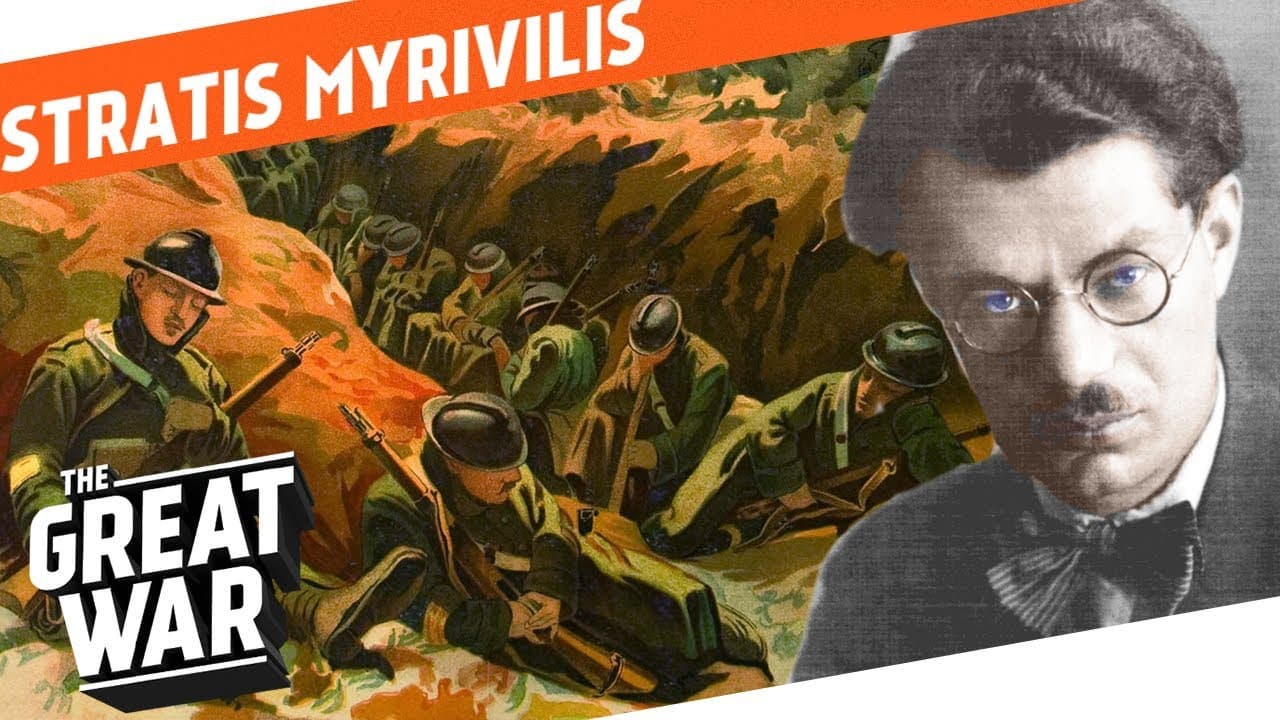
Life In The Tomb - WW1 Author Stratis Myrivilis I WHO DID WHAT IN WW1?
TL;DR
Stratis Myrivilis' war experiences inspired his antiwar novel 'Life in the Tomb'.
Transcript
Stratis Myrivilis was a pioneer novelist in Modern Greek Literature. He was also the author of a famous antiwar novel based upon his experiences fighting the First World War, “Life in the Tomb”. I’m Indy Neidell, welcome to a Great War special episode about Stratis Myrivilis and “Life in the Tomb”. That name- Stratis Myrivilis- is a pen name. He wa... Read More
Key Insights
- Stratis Myrivilis, born Efstratios Stamatopoulos, was a prominent figure in Modern Greek Literature, known for his antiwar novel 'Life in the Tomb'.
- Myrivilis fought in multiple wars, including the Balkan Wars, World War I, and the Greco-Turkish War, which deeply influenced his literary work.
- 'Life in the Tomb' is a novel based on Myrivilis' experiences in the trenches during World War I, highlighting the horrors and futility of war.
- The novel is structured as a series of letters from Sergeant Antonis Kostoulas, reflecting on the brutality of war and yearning for peace.
- Myrivilis' work does not glorify war; instead, it emphasizes the value of life and peace, presenting war as a waste of a generation's youth.
- 'Life in the Tomb' was banned in Greece under the Metaxas regime but remained a significant antiwar literary piece.
- The novel's famous chapter 'The Secret Poppy' symbolizes hope and life amidst the grim realities of war.
- Stratis Myrivilis was nominated three times for the Nobel Prize in Literature, underscoring his impact on Greek and world literature.
Install to Summarize YouTube Videos and Get Transcripts
Explore YouTube Video Summarizer or Get YouTube Transcript Extractor
Questions & Answers
Q: What inspired Stratis Myrivilis to write 'Life in the Tomb'?
Stratis Myrivilis was inspired to write 'Life in the Tomb' by his personal experiences as a soldier in World War I. His time in the trenches exposed him to the harsh realities of warfare, which he sought to capture through the novel's letters, depicting the futility and brutality of war.
Q: How is 'Life in the Tomb' structured?
'Life in the Tomb' is structured as a series of letters written by Sergeant Antonis Kostoulas, a character representing Myrivilis himself. These letters detail the experiences and reflections of a soldier in the Macedonian Front during World War I, offering a personal and poignant perspective on the war's impact.
Q: What themes are explored in 'Life in the Tomb'?
The novel explores themes of war's futility, the value of peace, and the resilience of the human spirit. Unlike other antiwar novels, it focuses on the appreciation of life and peace rather than the transformation of men by war, emphasizing hope and beauty amidst destruction.
Q: Why was 'Life in the Tomb' banned in Greece?
'Life in the Tomb' was banned in Greece under the fascist regime of Prime Minister Ioannis Metaxas in 1936. The regime likely viewed the novel's antiwar message and its criticism of war's brutality as subversive, leading to its prohibition until after World War II.
Q: What is the significance of the chapter 'The Secret Poppy'?
The chapter 'The Secret Poppy' is significant as it symbolizes hope and life amidst the death and destruction of war. In this chapter, Kostoulas finds a red poppy growing in a trench, representing the persistence of life and the possibility of beauty even in the darkest circumstances.
Q: How did Myrivilis' wartime experiences influence his literary work?
Myrivilis' wartime experiences deeply influenced his literary work, particularly 'Life in the Tomb'. His firsthand exposure to the horrors of war informed his antiwar stance and his portrayal of war's futility, shaping his narrative to emphasize the value of peace and the waste of human potential in conflict.
Q: What impact did 'Life in the Tomb' have on literature?
'Life in the Tomb' had a significant impact on literature as a powerful antiwar novel. Its unique structure and poignant themes resonated with readers, contributing to the broader genre of antiwar literature and influencing subsequent works that explore the human cost of war and the enduring hope for peace.
Q: Who was Stratis Myrivilis, and what is his legacy?
Stratis Myrivilis was a Greek novelist and soldier, born Efstratios Stamatopoulos, known for his antiwar novel 'Life in the Tomb'. His legacy lies in his profound exploration of war's futility and the resilience of the human spirit, earning him multiple Nobel Prize nominations and a lasting influence on Greek and world literature.
Summary & Key Takeaways
-
Stratis Myrivilis, originally named Efstratios Stamatopoulos, was a Greek author renowned for his antiwar novel 'Life in the Tomb', which draws from his experiences in World War I. His literary work is a poignant critique of war's futility and a testament to the enduring human spirit.
-
'Life in the Tomb' is structured as a series of letters from a soldier named Sergeant Antonis Kostoulas, who shares the harrowing realities of trench warfare. The novel's antiwar message highlights the waste of youth in war and the enduring hope for peace.
-
Despite being banned under Greece's Metaxas regime, 'Life in the Tomb' remains a significant work in antiwar literature. Myrivilis' depiction of war's horrors and the resilience of the human spirit continues to resonate, earning him multiple Nobel Prize nominations.
Read in Other Languages (beta)
Share This Summary 📚
Summarize YouTube Videos and Get Video Transcripts with 1-Click
Try YouTube Summary with ChatGPT & Claude or YouTube Transcript Generator
Explore More Summaries from The Great War 📚

Summarize YouTube Videos and Get Video Transcripts with 1-Click
Try YouTube Summary with ChatGPT & Claude or YouTube Transcript Generator