Why China's Belt and Road in Pakistan Stalled?
TL;DR
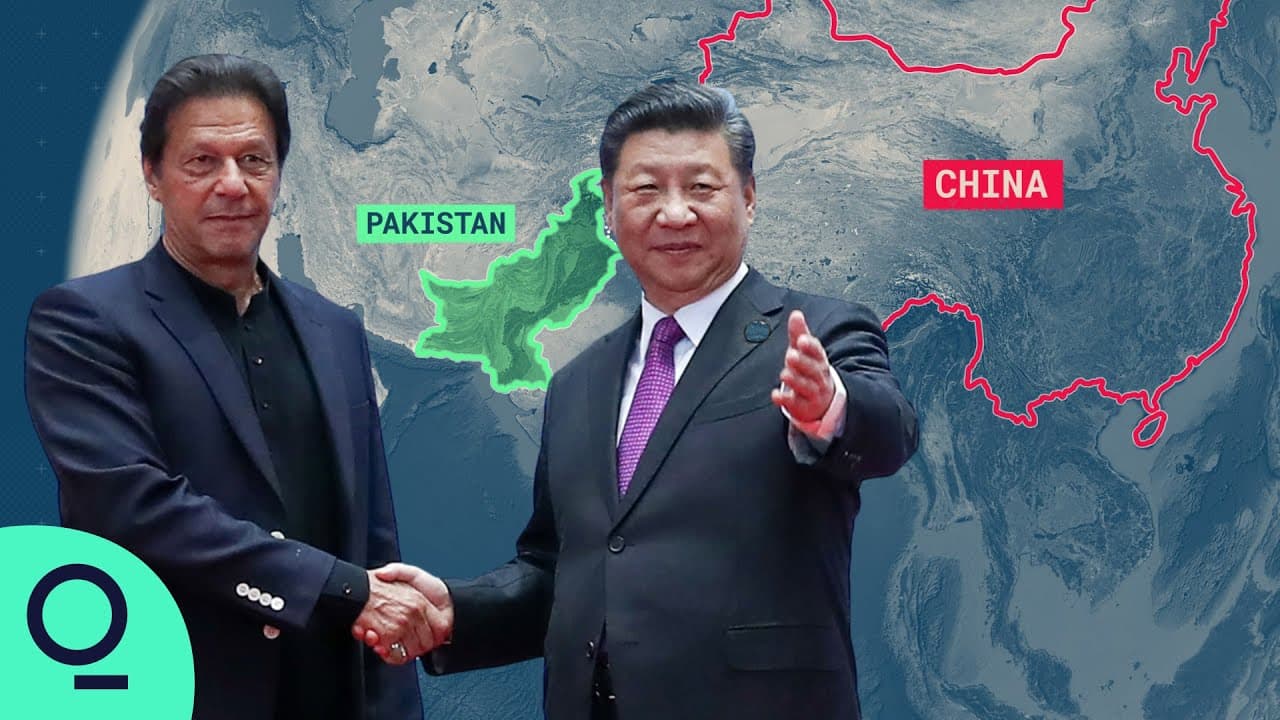
The China-Pakistan Economic Corridor, part of China's Belt and Road Initiative, faces significant delays and challenges. Despite promises of economic growth and job creation, only a third of projects are completed, with Gwadar port development lagging. Strategic and geopolitical interests drive China's investments, but local benefits remain limited.
Transcript
guadar is a strategically important point on the map of pakistan it sits very close to iran actually on the very southern coast it's about a 10 hour drive west of karachi but it's only about an hour drive to iran the area is extremely poor it's very arid it doesn't have enough water electricity has been very spotty one of the most surprising things... Read More
Key Insights
- Gwadar is strategically located near Iran and is crucial for China's Belt and Road Initiative.
- Security concerns in Gwadar are high due to past militant attacks, necessitating armed escorts for foreigners.
- Only one-third of CPEC projects are completed, with none in Gwadar, affecting promised local benefits.
- China's investment in Pakistan aims to counterbalance India and strengthen economic ties.
- CPEC aims to create 2.3 million jobs for Pakistanis and boost GDP by 2.5%, but progress is slow.
- Gwadar port, a key CPEC project, remains underdeveloped and commercially non-viable.
- Local communities in Gwadar face displacement and lack job opportunities from CPEC projects.
- Pakistan's reliance on Chinese loans for CPEC projects raises concerns about debt sustainability.
Install to Summarize YouTube Videos and Get Transcripts
Explore YouTube Video Summarizer or Get YouTube Transcript Extractor
Questions & Answers
Q: Why is Gwadar important to China's Belt and Road Initiative?
Gwadar is strategically located near Iran on Pakistan's southern coast, making it a crucial part of China's Belt and Road Initiative. It serves as a key point in the China-Pakistan Economic Corridor, intended to strengthen economic ties, reduce oil and gas route distances, and counterbalance India's influence in the region.
Q: What security challenges does Gwadar face?
Gwadar faces significant security challenges due to past militant attacks, necessitating high levels of security, including armed escorts for foreign visitors. The region is contested, with the Baloch Liberation Army staging attacks, contributing to instability and complicating development efforts under the China-Pakistan Economic Corridor.
Q: How many CPEC projects are completed in Gwadar?
None of the CPEC projects in Gwadar have been completed, despite being a key part of the initiative. Overall, only one-third of the planned projects under the China-Pakistan Economic Corridor have been completed, affecting the anticipated economic and infrastructure benefits for the local population.
Q: What are the economic goals of CPEC for Pakistan?
The China-Pakistan Economic Corridor aims to create 2.3 million jobs for Pakistanis and boost the country's GDP by 2.5%. This involves developing infrastructure like railways, highways, and ports to enhance economic growth and provide significant local benefits, although progress has been slow and uneven.
Q: Why is Gwadar port development stalled?
Gwadar port development is stalled due to security issues, lack of commercial viability, and delays in project execution. Despite being a key component of CPEC, the port remains underdeveloped, with only three berths and limited commercial activity, raising questions about its strategic and economic potential.
Q: How does CPEC affect local communities in Gwadar?
Local communities in Gwadar face displacement and lack job opportunities from CPEC projects. The proposed infrastructure developments threaten to cut off access to the sea for local fishermen, and there are concerns about the influx of Chinese workers, which could limit employment prospects for local residents.
Q: What are the strategic interests of China in CPEC?
China's strategic interests in CPEC include reducing oil and gas route distances from the Middle East, strengthening economic ties with Pakistan, and countering India's influence in the region. CPEC is both an instrument and a test of Chinese power, showcasing its ability to undertake large-scale infrastructure projects abroad.
Q: What are the debt implications for Pakistan from CPEC projects?
Pakistan's engagement in CPEC projects has led to increased debt from China, raising concerns about debt sustainability and potential default. The country has already sought multiple bailouts from the IMF, and the additional debt burden from CPEC poses challenges for its economic stability and international financial relations.
Summary & Key Takeaways
-
Gwadar, a key part of the China-Pakistan Economic Corridor, faces delays and security issues. Despite strategic importance, local benefits like job creation and infrastructure improvements are lacking. China's investment aims to strengthen economic ties and counter India, but progress is slow.
-
CPEC, part of China's Belt and Road Initiative, promises significant economic benefits for Pakistan, including job creation and GDP growth. However, only a fraction of projects are completed, with Gwadar port development stalled, raising concerns about debt and local displacement.
-
China's strategic interests drive CPEC investments, aiming to reduce oil and gas route distances and counter India. Despite these goals, Gwadar's development lags, with local communities facing challenges and limited job opportunities from ongoing projects.
Read in Other Languages (beta)
Share This Summary 📚
Summarize YouTube Videos and Get Video Transcripts with 1-Click
Try YouTube Summary with ChatGPT & Claude or YouTube Transcript Generator
Explore More Summaries from Bloomberg Originals 📚



Summarize YouTube Videos and Get Video Transcripts with 1-Click
Try YouTube Summary with ChatGPT & Claude or YouTube Transcript Generator