What Weapons Did Austria-Hungary Use in WW1?
TL;DR
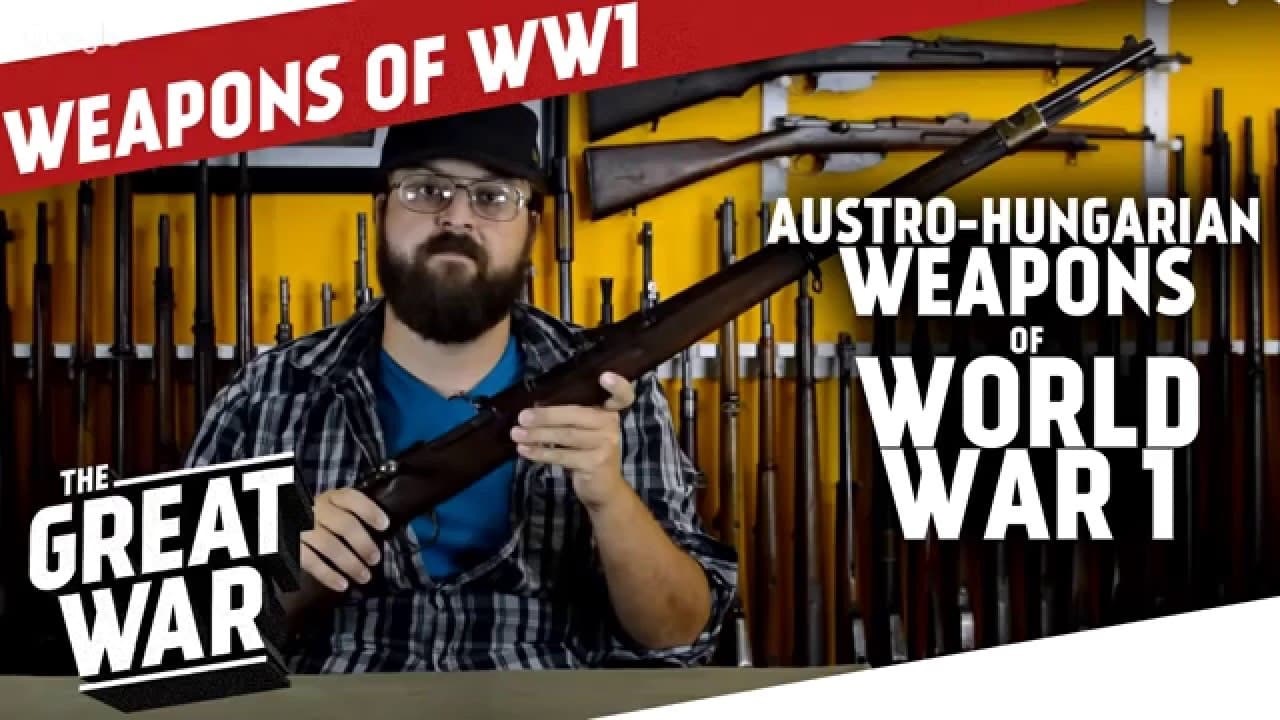
Austria-Hungary used a variety of unique firearms during WW1, including the Mannlicher rifles and Steyr pistols. Their weapons often had distinct features like straight-pull actions and rotating barrel locks. Despite having robust designs, these weapons were sometimes overshadowed by more popular counterparts from other nations. The Austro-Hungarian military's dual monarchy structure influenced their weapon production and distribution.
Transcript
e e e e e e e e e e e e e e e e e e e e e e e e e e e e e e e e e e e e e e e e e e e e e e e e e e e e e e e e e e e e e e e e e e e e e e e e e e e e e e e e e e e e e e e e e e e like the permanent recording yeah you're good is this thing on hi I'm Indie nidel and this is another Great War special episode about the Firearms of the first world wa... Read More
Key Insights
- Austria-Hungary used the Mannlicher rifles, known for their straight-pull bolt action.
- The Steyr-Hahn pistol was a standard issue for the Austro-Hungarian military.
- Austro-Hungarian weapons were often overshadowed by German and French designs.
- The dual monarchy structure led to two main factories producing identical rifles.
- Pistol cartridges varied widely, complicating logistics for Austro-Hungarian forces.
- Some Austro-Hungarian weapons were later used in other conflicts, including WW2.
- The Mannlicher system had issues with mud due to its en-bloc clip design.
- After WW1, Austro-Hungarian weapons were distributed as reparations or sold.
Install to Summarize YouTube Videos and Get Transcripts
Explore YouTube Video Summarizer or Get YouTube Transcript Extractor
Questions & Answers
Q: How did Austria-Hungary's dual monarchy affect weapon production?
The dual monarchy of Austria-Hungary meant that both Austria and Hungary had their own factories producing weapons, such as the Mannlicher rifles. This structure allowed for a decentralized production system, which helped maintain a steady supply of arms during WW1. However, it also led to national pride influencing weapon design and manufacturing decisions.
Q: What were the main features of the Mannlicher rifles used by Austria-Hungary?
The Mannlicher rifles used by Austria-Hungary, such as the 1888/90 model, were known for their straight-pull bolt action, which allowed for faster cycling compared to traditional bolt actions. They used en-bloc clips for ammunition loading, which had the downside of being prone to mud infiltration in trench warfare conditions.
Q: Why did Austro-Hungarian pistols have varied cartridges?
Austro-Hungarian pistols had varied cartridges because the military allowed different manufacturers to design pistols with their preferred ammunition. This lack of standardization led to logistical challenges, as different models like the Steyr-Hahn and the Frommer Stop used different cartridges, complicating supply chains.
Q: How did Austro-Hungarian weapons perform in WW1?
Austro-Hungarian weapons, like the Mannlicher rifles and Steyr pistols, performed well mechanically but were often overshadowed by more popular designs from other nations. Their rifles were robust and had unique features, but logistical issues with pistol ammunition and the complexity of some designs limited their effectiveness on the front lines.
Q: What happened to Austro-Hungarian weapons after WW1?
After WW1, many Austro-Hungarian weapons were distributed as reparations or sold to other nations. Some were modified and continued to be used in conflicts like WW2. The Steyr-Hahn pistol, for example, was rechambered for 9mm Parabellum and used by German forces. The Mannlicher rifles were also adapted and remained in service in various forms.
Q: How did the Mannlicher system affect rifle performance?
The Mannlicher system, with its en-bloc clip design, allowed for faster reloading but was vulnerable to mud and debris in trench warfare. This system required careful maintenance to ensure reliability, as the open-bottom magazine design could easily become clogged in harsh battlefield conditions.
Q: What role did national pride play in Austro-Hungarian weapon design?
National pride influenced Austro-Hungarian weapon design, particularly with Hungary wanting its own distinct firearms. This led to the production of weapons like the Frommer Stop pistol, which was adopted by Hungarian forces despite being more complex and expensive to produce than necessary for its role.
Q: Were Austro-Hungarian weapons used by other countries?
Yes, after WW1, Austro-Hungarian weapons were used by other countries. They were often distributed as reparations or sold, with some being modified for use in later conflicts. For example, the Mannlicher rifles were used in the Balkans, and Steyr-Hahn pistols were adapted by German forces during WW2.
Summary & Key Takeaways
-
Austria-Hungary's WW1 weapons included rifles like the Mannlicher 1888/90 and pistols like the Steyr-Hahn 1912. These firearms were known for unique features such as straight-pull actions and rotating barrel locks. Despite their robust designs, they faced logistical challenges due to diverse pistol cartridges.
-
The Austro-Hungarian dual monarchy facilitated weapon production with factories in both Austria and Hungary. Their rifles were standardized early on, but pistols varied significantly, leading to logistical issues during the war.
-
Post-WW1, many Austro-Hungarian weapons were used in other conflicts or sold as reparations. The Mannlicher rifles, in particular, were modified and reissued in various forms, demonstrating their enduring utility and adaptability.
Read in Other Languages (beta)
Share This Summary 📚
Summarize YouTube Videos and Get Video Transcripts with 1-Click
Try YouTube Summary with ChatGPT & Claude or YouTube Transcript Generator
Explore More Summaries from The Great War 📚



Summarize YouTube Videos and Get Video Transcripts with 1-Click
Try YouTube Summary with ChatGPT & Claude or YouTube Transcript Generator