Why Nuclear Energy is Suddenly Making a Comeback
TL;DR
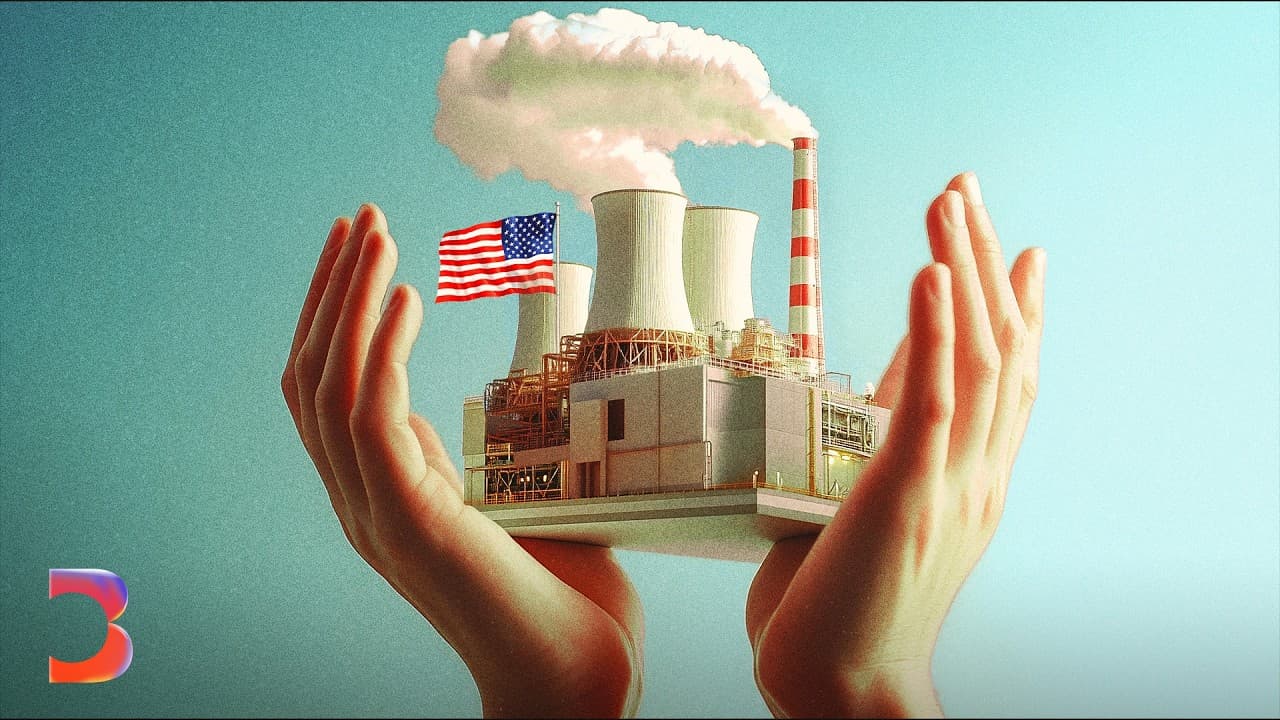
Nuclear energy is regaining popularity amid climate change challenges.
Transcript
Aging reactors, energy prices, disasters. Nuclear power has been falling out of favor in the US for decades, but the conversation is changing. The intensifying threat of global warming and the explosion of AI is boosting the outlook of nuclear energy. This is an inflection point. But we will get to the point that by 2050, we have zero emissions. M... Read More
Key Insights
- Nuclear energy is gaining renewed interest due to climate change and the need for carbon-free energy sources, despite past challenges and disasters.
- The US nuclear industry faces numerous hurdles, including maintaining aging reactors, building new ones, and overcoming economic and political obstacles.
- Small Modular Reactors (SMRs) are emerging as a potential solution for more cost-effective and flexible nuclear power generation.
- The US government plays a crucial role in nuclear energy development through licensing and funding support, which are essential for project completion.
- Environmental groups remain opposed to nuclear energy due to concerns about radioactive waste and potential reactor meltdowns.
- The completion of the Vogtle reactors demonstrates the challenges and potential of building large nuclear reactors in the US.
- Startups and companies like TerraPower and Kairos are exploring innovative reactor technologies to advance nuclear energy.
- Fusion technology is also being explored as a promising alternative to address climate change, with significant investments in research and development.
Install to Summarize YouTube Videos and Get Transcripts
Explore YouTube Video Summarizer or Get YouTube Transcript Extractor
Questions & Answers
Q: Why is nuclear energy gaining renewed interest?
Nuclear energy is gaining renewed interest primarily due to the urgent need to combat climate change by reducing carbon emissions. As traditional energy sources like natural gas and coal contribute to greenhouse gas emissions, nuclear power offers a carbon-free alternative. Additionally, advancements in technology and the rise of AI are making nuclear energy more viable and attractive as a reliable energy source.
Q: What challenges does the US nuclear industry face?
The US nuclear industry faces several challenges, including the need to maintain aging reactors, build new ones, and overcome economic and political hurdles. High costs, long construction timelines, and regulatory complexities pose significant barriers. Additionally, competition from cheaper energy sources like natural gas and renewables, as well as public concerns about safety and waste disposal, further complicate the industry's growth.
Q: What are Small Modular Reactors (SMRs)?
Small Modular Reactors (SMRs) are a new class of nuclear reactors designed to be more cost-effective and flexible than traditional large reactors. They are smaller in size, allowing for mass production of components in factories, which can then be transported and assembled on-site. This approach aims to reduce construction costs and timelines, making nuclear power more accessible and adaptable to various energy needs.
Q: How does government support impact nuclear energy development?
Government support is crucial for nuclear energy development, as it provides the necessary regulatory approvals, funding, and incentives for projects to move forward. Without government backing, it is challenging for nuclear projects to secure the investment and resources needed to overcome high costs and regulatory hurdles. Government policies and programs can also help drive innovation and adoption of new technologies in the nuclear sector.
Q: What are the environmental concerns associated with nuclear energy?
Environmental concerns associated with nuclear energy include the potential risks of radioactive waste disposal and reactor meltdowns. Critics argue that nuclear power plants pose inherent dangers, such as radioactivity escaping into the environment, which can contaminate air, water, and food supplies. Additionally, the long-term storage of nuclear waste remains a significant challenge, raising concerns about its impact on future generations.
Q: What was the significance of the Vogtle reactor completion?
The completion of the Vogtle reactors was significant as it marked the first new nuclear reactors built in the US in decades. Despite facing numerous challenges, including delays, budget overruns, and a global pandemic, the project demonstrated that large-scale nuclear construction is still possible. The Vogtle reactors serve as a model for future projects and highlight the potential for nuclear power to contribute to a carbon-free energy future.
Q: How are startups contributing to nuclear energy innovation?
Startups are playing a vital role in nuclear energy innovation by developing new reactor technologies and exploring alternative approaches to traditional nuclear power. Companies like TerraPower and Kairos are working on advanced reactor designs, such as using molten salt coolants and small modular reactors. These innovations aim to address cost, safety, and efficiency challenges, making nuclear energy more viable and attractive for future energy needs.
Q: What is the potential of fusion technology in addressing climate change?
Fusion technology holds significant potential in addressing climate change as it offers a clean and virtually limitless energy source. Unlike traditional nuclear fission, fusion produces minimal radioactive waste and poses no risk of meltdown. Although still in the experimental stage, advancements in fusion research and substantial investments are paving the way for its commercialization. If successful, fusion could revolutionize the energy landscape and significantly reduce carbon emissions.
Summary & Key Takeaways
-
Nuclear energy is experiencing a resurgence in interest due to the pressing need for carbon-free energy sources to combat climate change. Despite past challenges, there is optimism about the role of nuclear power in achieving net-zero emissions by 2050.
-
The US nuclear industry faces a range of challenges, including maintaining aging reactors, building new ones, and navigating economic and political obstacles. Small Modular Reactors (SMRs) are seen as a promising solution to these issues.
-
Government support is crucial for the success of nuclear projects, and startups are exploring innovative reactor technologies. However, environmental concerns and high costs remain significant barriers to widespread nuclear energy adoption.
Read in Other Languages (beta)
Share This Summary 📚
Summarize YouTube Videos and Get Video Transcripts with 1-Click
Try YouTube Summary with ChatGPT & Claude or YouTube Transcript Generator
Explore More Summaries from Bloomberg Originals 📚


Summarize YouTube Videos and Get Video Transcripts with 1-Click
Try YouTube Summary with ChatGPT & Claude or YouTube Transcript Generator