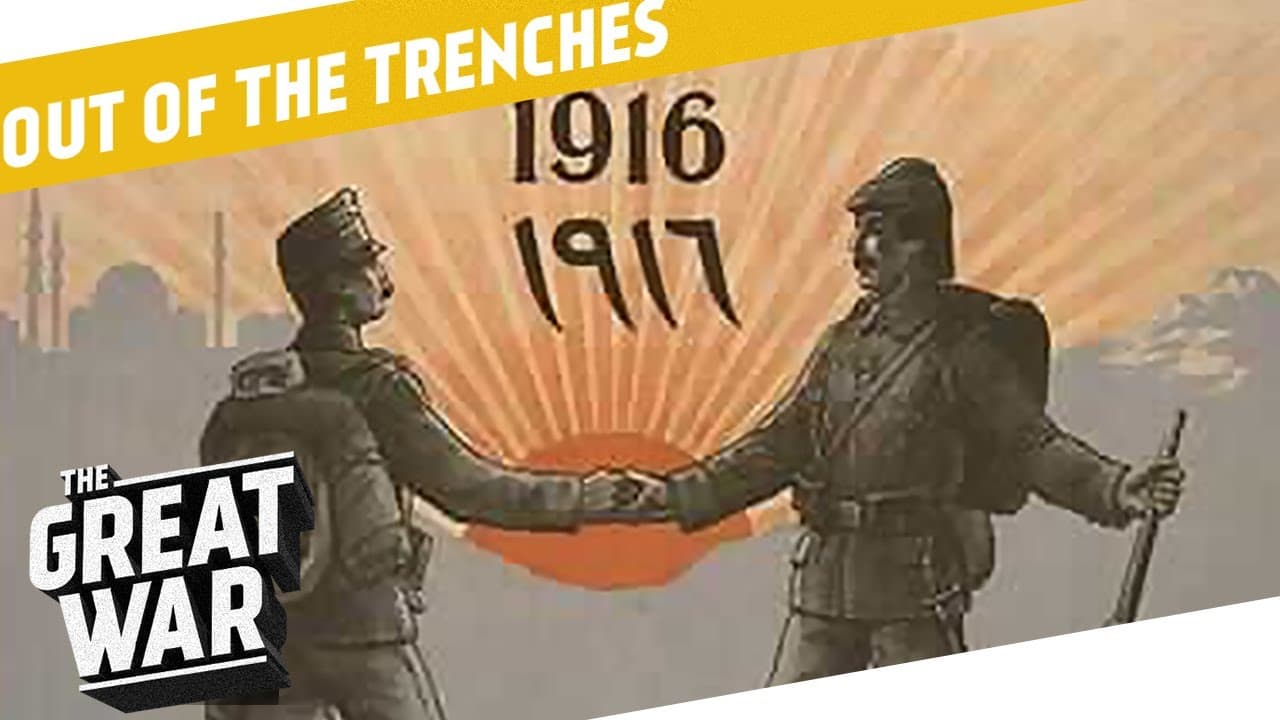
Ottoman Soldiers in Europe - Naval Tactics - Officer PoWs I OUT OF THE TRENCHES
TL;DR
WWI naval tactics and officer POW treatment discussed in context of Ottoman Empire.
Transcript
This episode of Out of the Trenches is sponsored by The Great Courses Plus, and Out of the Trenches is where I, Indy Neidell, sit here in the Chair of Wisdom and answer all your questions about the First World War. Neo Torchwick writes: Well, that was very nice. Well, I'm honoured I could be an inspiration. Anyhow, the traditional tactics of naval ... Read More
Key Insights
- Naval warfare tactics during WWI largely retained traditional methods, with few decisive fleet battles except for the Battle of Jutland.
- The importance of supply and merchant ships in WWI highlighted a shift from large battleships to smaller, cost-effective vessels.
- Aircraft began to overshadow traditional naval ships, with the rise of hydroplanes and early aircraft carriers by war's end.
- British Major-General Charles Townshend experienced lenient captivity in Constantinople, reflecting a gentleman's code among high-ranking officers.
- The Ottoman 15th Corps played a significant role on the Romanian Front, working effectively with German forces against Russian advances.
- The Ottoman army suffered from poor infrastructure and supply systems, severely hindering its war efforts despite the courage of its soldiers.
- The Dardanelles campaign showcased the potential of the Ottoman army with competent leadership and modern equipment.
- The Great Courses Plus offers a detailed course on Russian history, covering significant events like the Russian Revolution and Civil War.
Install to Summarize YouTube Videos and Get Transcripts
Explore YouTube Video Summarizer or Get YouTube Transcript Extractor
Questions & Answers
Q: What were the traditional naval tactics during WWI?
Traditional naval tactics during WWI largely remained unchanged, focusing on large battleships and fleet engagements. However, few decisive battles occurred, with the Battle of Jutland being a notable exception. The war highlighted the importance of supply and merchant ships, which became critical to sustaining war efforts across nations.
Q: How did aircraft impact naval warfare during WWI?
Aircraft began to significantly impact naval warfare during WWI, marking the rise of hydroplanes and the first aircraft carriers. These advancements started to overshadow traditional large naval ships, such as dreadnoughts, signaling a shift towards integrating air power with naval operations by the end of the war.
Q: How was Major-General Charles Townshend treated as a POW?
Major-General Charles Townshend was treated with leniency during his captivity in Constantinople, enjoying luxuries and freedoms uncommon for prisoners of war. He was considered an honored guest by Enver Pasha, allowed to move freely and dine with Ottoman officials, ultimately becoming a supporter of the Turkish cause post-war.
Q: What role did the Ottoman 15th Corps play on the Romanian Front?
The Ottoman 15th Corps, including Mustafa Kemal's battle-hardened divisions, played a crucial role on the Romanian Front, assisting German forces against Russian attacks. They were effective in repulsing assaults and were later formed into storm troop battalions, showcasing strong collaboration with German forces during the conflict.
Q: What were the main challenges faced by the Ottoman army?
The Ottoman army faced significant challenges due to poor infrastructure and supply systems. These issues severely hindered their war efforts, with inadequate logistics leading to high casualty rates and inefficiencies in reinforcing and maintaining troops, as seen in the disastrous Caucasus campaign and other fronts.
Q: How did the Dardanelles campaign differ for the Ottoman army?
The Dardanelles campaign was a successful example of what the Ottoman army could achieve with competent leadership, modern equipment, and motivated soldiers. This victory allowed them to rebuild and create new reserves, contrasting sharply with other campaigns where poor logistics and leadership led to failures.
Q: What educational resources are recommended in the episode?
The episode recommends The Great Courses Plus, particularly their course on Russian history, which offers a detailed examination of Russia's development leading up to the 1917 Revolution and the subsequent Civil War. This resource is highlighted for its comprehensive coverage of significant historical events and societal changes.
Q: How did the gentleman's code affect officer POW treatment during WWI?
The gentleman's code during WWI ensured that high-ranking officers were treated with respect and afforded privileges during captivity. This code was based on mutual understanding among officers of similar social backgrounds, allowing them to enjoy certain liberties and maintain a level of dignity, as seen in the treatment of Major-General Townshend.
Summary & Key Takeaways
-
The episode explores the naval tactics of WWI, emphasizing the continued relevance of traditional methods despite emerging technologies. It discusses the limited decisive fleet battles and highlights the crucial role of supply ships in sustaining war efforts.
-
The treatment of high-ranking officers as prisoners of war is examined, focusing on the lenient captivity of British Major-General Charles Townshend in the Ottoman Empire, where he enjoyed significant freedoms and became a supporter of the Turkish cause.
-
The challenges faced by the Ottoman army due to poor infrastructure and supply issues are detailed, contrasting their struggles with successful campaigns like the Dardanelles. The episode also promotes The Great Courses Plus for further historical learning.
Read in Other Languages (beta)
Share This Summary 📚
Summarize YouTube Videos and Get Video Transcripts with 1-Click
Try YouTube Summary with ChatGPT & Claude or YouTube Transcript Generator
Explore More Summaries from The Great War 📚

Summarize YouTube Videos and Get Video Transcripts with 1-Click
Try YouTube Summary with ChatGPT & Claude or YouTube Transcript Generator