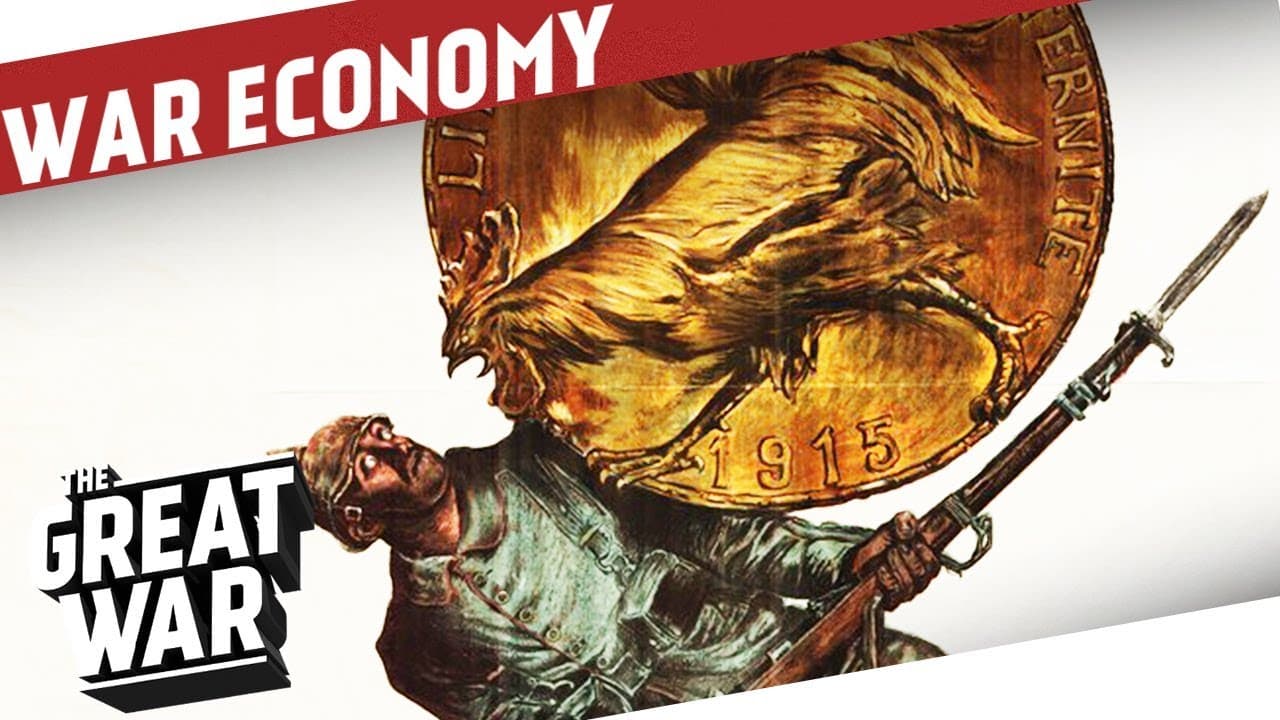
Allied War Economy During World War 1 I THE GREAT WAR Special
TL;DR
Allied war economies faced immense strain during WWI, relying heavily on U.S. support.
Transcript
we've done specials on individual nations fighting this war and we have looked at micro economics especially that of the central powers and especially their failures in many regular episodes. But what was going on on a macro level? How, for example, did the allies finance their massive war economies? Let's find out. I'm Indy Neidell, this is a grea... Read More
Key Insights
- The Allied powers transitioned to war economies, focusing on mass production of armaments to outproduce the Central Powers, despite the risk of financial strain.
- Britain expanded government control over industries, including national shell factories, and relied heavily on imports, particularly from the U.S., to sustain its war effort.
- France's war economy focused on maximizing armament output, but faced challenges due to German occupation of resource-rich regions and a significant manpower disadvantage.
- Italy, despite being a second-class power in terms of GDP, managed to supply its army with domestically produced weapons, though inflation and infrastructure strain were significant issues.
- The Allied economies were heavily dependent on American loans and resources, with Wall Street playing a crucial role in stabilizing currencies and financing the war effort.
- The final winter of the war highlighted the fragility of Allied economies, with food and coal shortages threatening stability and causing social unrest.
- The U.S. support was vital in preventing the Allied economies from collapsing, providing essential resources and financial backing.
- The economic mobilization during WWI had lasting impacts on global power dynamics, significantly influencing the post-war economic landscape.
Install to Summarize YouTube Videos and Get Transcripts
Explore YouTube Video Summarizer or Get YouTube Transcript Extractor
Questions & Answers
Q: How did Britain manage its war economy during WWI?
Britain expanded its government control over key industries, establishing national shell factories and regulating resources like iron and timber. The British Ministry of Munitions played a central role in this effort, with David Lloyd George overseeing the mobilization. Britain also relied heavily on imports from its dominions and the U.S. to sustain its war economy.
Q: What challenges did France face in maintaining its war economy?
France faced significant challenges due to the German occupation of resource-rich regions, leading to a loss of coal and iron deposits. The country also had a manpower disadvantage, which forced increased reliance on imports. By mid-1918, France had maximized its armament production, but the economy was strained by deficit spending and resource shortages.
Q: How did Italy's war economy compare to other Allied powers?
Italy, despite being a second-class power in terms of GDP, managed to supply its army with domestically produced weapons. The Italian arms industry was comparable to other Allies, but the economy faced inflation and infrastructure strain due to increased currency printing and resource shortages, particularly in the North.
Q: What role did the United States play in supporting Allied war economies?
The United States provided crucial financial support through loans and investments, stabilizing Allied currencies and financing the war effort. American resources, including food, oil, and copper, were essential in sustaining the Allied economies. This support was vital in preventing potential economic collapse and ensuring continued military production.
Q: What were the impacts of the final winter of WWI on Allied economies?
The final winter of WWI highlighted the fragility of Allied economies, with food and coal shortages threatening stability. Britain issued food stamps, and social unrest grew due to resource scarcity. The specter of revolution loomed, and the mounting debt and infrastructure strain brought the Allies closer to potential defeat than often perceived.
Q: How did Allied economic mobilization during WWI influence global power dynamics?
The economic mobilization during WWI significantly influenced global power dynamics by reshaping the balance of power. The reliance on U.S. financial support and resources highlighted the growing influence of America in global affairs. The post-war economic landscape was shaped by the debts and economic policies established during the war.
Q: What were the financial risks faced by the Allied powers during WWI?
The Allied powers faced significant financial risks due to the massive costs of the war effort. Britain's national debt soared, and income tax rates increased dramatically. France embarked on massive deficit spending, and Italy faced inflation due to increased currency printing. The complex system of loans and financial dependencies posed a risk of economic collapse.
Q: How did the German occupation affect France's war economy?
The German occupation of resource-rich regions at the start of WWI deprived France of crucial coal and iron deposits, severely impacting its war economy. This occupation forced France to rely more heavily on imports and deficit spending to maintain its military production, contributing to the country's financial strain during the war.
Summary & Key Takeaways
-
The Allied powers during WWI transformed their economies to focus on mass production of military resources, aiming to outproduce the Central Powers. This shift required immense financial and material resources, leading to increased government control over industries and significant reliance on imports, particularly from the United States.
-
Britain, France, and Italy faced various challenges in maintaining their war economies, including resource shortages, manpower limitations, and mounting national debts. Despite these issues, they managed to sustain their war efforts through substantial financial support from American investors and strategic economic management.
-
The war economies of the Allied nations were pushed to their limits by the end of WWI. The U.S. played a crucial role in stabilizing these economies through loans and resource provision, preventing potential collapse and ensuring the continuation of the war effort against the Central Powers.
Read in Other Languages (beta)
Share This Summary 📚
Summarize YouTube Videos and Get Video Transcripts with 1-Click
Try YouTube Summary with ChatGPT & Claude or YouTube Transcript Generator
Explore More Summaries from The Great War 📚
Summarize YouTube Videos and Get Video Transcripts with 1-Click
Try YouTube Summary with ChatGPT & Claude or YouTube Transcript Generator