Extreme wood bending with ammonia
TL;DR
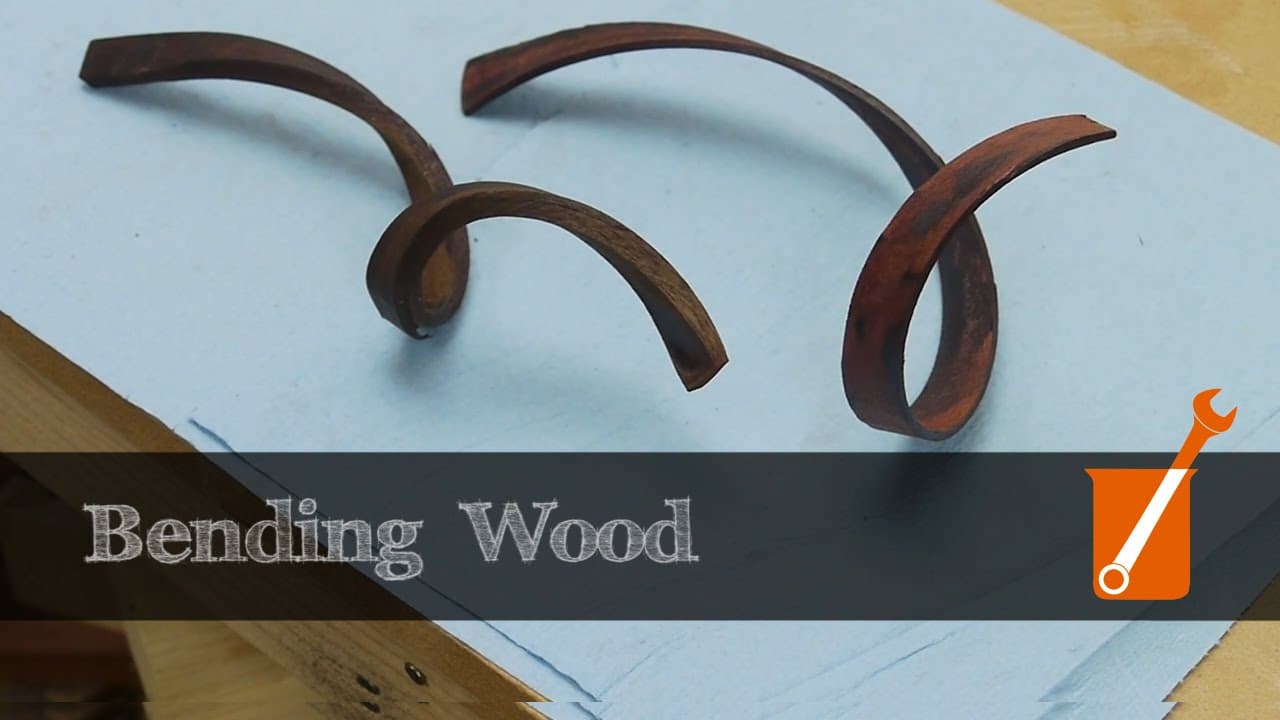
Learn how to bend wood using a chemical process involving ammonia gas, which loosens the molecular bonding in the wood, allowing for flexible shaping.
Transcript
today on applied science I'd like to talk about bending wood with a chemical process so take a look at what we can achieve here this is a/ quin Walnut dowel that I've tied into a knot and it's rigid at this point but it was of course flexible when I tied it into this knot uh here we have a piece of bloodwood maybe about a 16th almost an eighth of a... Read More
Key Insights
- 🫢 The chemical process of bending wood involves treating it with high-press ammonia gas, loosening its molecular structure.
- 🌲 Different types of wood can be successfully bent using this method, including walnut, bloodwood, maple, and hardwood.
- 🫢 The pressure chamber for the treatment should be made of steel or stainless steel to prevent corrosion from the ammonia gas.
- 🌲 After shaping the wood and letting the ammonia dissipate, the wood returns to its original strength or stiffness.
- 🏂 Some materials, such as particle board and plywood, do not respond well to this process and may fall apart.
- 🫢 The corrosion of brass and copper fittings by ammonia gas is a potential issue, so it is important to use steel or stainless steel fittings.
- 🫢 The ammonia gas treatment releases heat, causing the steel chamber to become hotter during the process.
Install to Summarize YouTube Videos and Get Transcripts
Explore YouTube Video Summarizer or Get YouTube Transcript Extractor
Questions & Answers
Q: What is the chemical process used to bend wood?
The process involves treating wood with high-press ammonia gas, which interferes with the molecular bonding in the wood, making it flexible.
Q: What materials are needed to create the pressure chamber?
A steel or stainless steel vessel, such as schedule 80 steel pipe, is recommended to prevent corrosion from the ammonia gas.
Q: Can any type of wood be bent using this method?
Different types of wood, including walnut, bloodwood, maple, and hardwood, can be successfully bent using the ammonia gas treatment.
Q: Does the wood retain its flexibility after the ammonia dissipates?
No, once the ammonia dissipates and the wood is clamped, it returns to almost its original strength or stiffness.
Summary & Key Takeaways
-
The process involves treating wood with high-press ammonia gas in a steel chamber to loosen its structure and make it malleable.
-
Different types of wood, such as walnut, bloodwood, maple, and hardwood, can be successfully bent using this method.
-
After the wood is shaped and clamped, the ammonia dissipates, and the wood returns to its original strength or stiffness.
Read in Other Languages (beta)
Share This Summary 📚
Summarize YouTube Videos and Get Video Transcripts with 1-Click
Try YouTube Summary with ChatGPT & Claude or YouTube Transcript Generator
Explore More Summaries from Applied Science 📚



Summarize YouTube Videos and Get Video Transcripts with 1-Click
Try YouTube Summary with ChatGPT & Claude or YouTube Transcript Generator