Russian Spring Offensive - Confusion at Fort Vaux I THE GREAT WAR Week 87

TL;DR
Russia and Italy launch offensives to aid France at Verdun.
Transcript
Both Russia and Italy had promised the French they would mount new offensives to try and relieve some of the pressure of the ongoing Battle of Verdun. Last week the Italians had launched one on the Isonzo, and this week, in colossal numbers, the Russians strike. I’m Indy Neidell; welcome to the Great War Last week on the Italian front saw the Fifth... Read More
Key Insights
- Russia and Italy launched offensives to relieve pressure on France during the Battle of Verdun, with Russia striking in large numbers.
- The Germans tried to capture Fort Vaux multiple times, but French forces successfully defended it, leading to a stalemate.
- A German attack near Avocourt resulted in initial success but was countered by French machine gun fire, causing significant German losses.
- Russian offensives were driven by the need to secure better ground before spring thaws made their trenches unusable.
- The Russian military faced massive casualties, with 80,000 losses in just a few days, reflecting their strategy of overwhelming force.
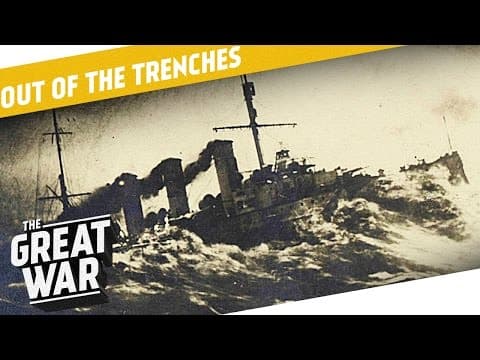
- A naval battle occurred in the North Sea between the German ship Greif and the British ship Alcantara, resulting in both ships sinking.
- The British successfully used depth charges for the first time, marking a significant development in naval warfare.
- Tensions in Ireland escalated with clashes between British loyalists and Sinn Fein, indicating growing unrest.
Install to Summarize YouTube Videos and Get Transcripts
Explore YouTube Video Summarizer or Get YouTube Transcript Extractor
Questions & Answers
Q: What was the main reason for the Russian offensives?
The Russian offensives were primarily driven by the need to relieve pressure on French forces at Verdun. Additionally, the coming spring thaws would render Russian trenches unusable, prompting them to secure better ground before the floods. This strategic necessity led to their aggressive and costly attacks.
Q: How did the Germans fare in their attempts to capture Fort Vaux?
The Germans repeatedly attempted to capture Fort Vaux but were thwarted by the French defenders. Despite initially believing they had succeeded, the Germans faced strong resistance. French Commander in Chief Joseph Joffre praised the defenders for barring the German advance, leading to a continued stalemate at Verdun.
Q: What was the outcome of the naval battle in the North Sea?
The naval battle in the North Sea involved the German auxiliary ship Greif and the British converted merchant ship Alcantara. Both ships ultimately sank after a brief but intense engagement. The Greif attempted to run the British blockade but was intercepted, resulting in significant casualties for both sides.
Q: What impact did the use of depth charges have on naval warfare?
The British successful use of depth charges marked a significant advancement in naval warfare. It demonstrated a new method of combating submarines, which had been a considerable threat. The destruction of a German submarine off the coast of Ireland showcased the effectiveness of this new weapon, influencing future naval strategies.
Q: Why did tensions in Ireland escalate during this period?
Tensions in Ireland escalated due to clashes between British loyalists and Sinn Fein, the Irish Republican group. A demonstration in Tullamore turned violent, with shots fired and police officers wounded. This incident reflected the growing unrest in Ireland as nationalist sentiments clashed with British authority.
Q: What were the consequences of the German attack near Avocourt?
The German attack near Avocourt initially succeeded, capturing French positions and forcing a surrender. However, when they attempted to capitalize on this success, they were met with fierce French machine gun fire. The Germans suffered heavy casualties and gained no additional ground, highlighting the challenges of trench warfare.
Q: How did the French respond to the German capture of Avocourt?
The French responded to the German capture of Avocourt by strengthening their defenses and launching a counterattack. When the Germans attempted to advance further, they were met with devastating machine gun fire from three sides. This effective French response resulted in significant German casualties and halted their progress.
Q: What strategic advantages did the Germans have on the Eastern Front?
On the Eastern Front, the Germans held strategic advantages due to their positions on higher and drier ground. As spring approached, the Russian trenches would become unusable due to thaws and floods. This geographical advantage pressured the Russians to launch aggressive offensives to improve their positions before the seasonal changes.
Summary & Key Takeaways
-
Russia and Italy launched offensives to support France at Verdun, with Russia attacking in vast numbers. Despite initial German successes at Avocourt, French defenses countered effectively. The Russian strategy was driven by the need to secure better ground before spring thaws.
-
Massive Russian casualties highlighted their strategy of overwhelming force, with 80,000 losses in days. A naval battle in the North Sea resulted in the sinking of both German and British ships. The British used depth charges for the first time, marking a naval warfare milestone.
-
Tensions in Ireland grew with clashes between British loyalists and Sinn Fein. The week saw continued death at Verdun, reckless Russian offensives, and significant naval engagements, reflecting the war's brutality and strategic complexity.
Read in Other Languages (beta)
Share This Summary 📚
Summarize YouTube Videos and Get Video Transcripts with 1-Click
Try YouTube Summary with ChatGPT & Claude or YouTube Transcript Generator
Explore More Summaries from The Great War 📚





Summarize YouTube Videos and Get Video Transcripts with 1-Click
Try YouTube Summary with ChatGPT & Claude or YouTube Transcript Generator