How to Transition Shetland Islands to Renewable Energy
TL;DR
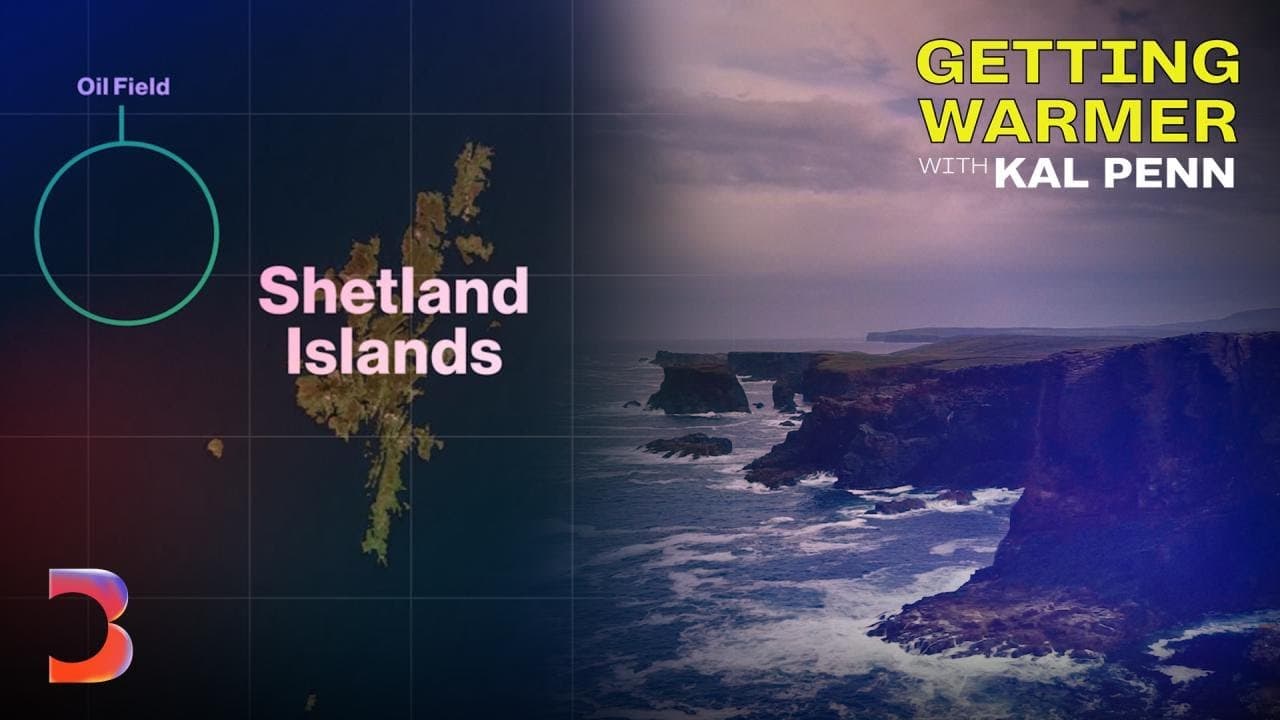
Tessa Khan, a climate change lawyer, is leading efforts to oppose new oil developments in the Shetland Islands, advocating for a transition to renewable energy. The region, rich in wind resources, is poised to become a leader in sustainable energy. The challenge lies in balancing immediate financial benefits from oil with long-term environmental goals.
Transcript
The Shetland Islands are the northernmost region of the United Kingdom this Scottish sub-arctic archipelago is known for its ancient Heritage breathtaking Cliffside views and green Rolling Hills an 11 fire festivals per year it's known for one other thing too [Laughter] Shetland has seen massive economic development for over 40 years due to its... Read More
Key Insights
- Shetland Islands are known for their ancient heritage and economic reliance on the oil sector.
- The region is transitioning towards renewable energy, with a focus on wind power.
- Tessa Khan is a climate lawyer working to prevent the development of new oil fields.
- The proposed Rosebank oil field contains about 300 million barrels of oil.
- Burning Rosebank's oil could equal the annual emissions of the 28 poorest countries.
- Renewable energy offers more long-term job opportunities than fossil fuels.
- Public opposition has previously halted oil projects, such as the Cambo oil field.
- A just transition is crucial to ensure economic stability and job security in Shetland.
Install to Summarize YouTube Videos and Get Transcripts
Explore YouTube Video Summarizer or Get YouTube Transcript Extractor
Questions & Answers
Q: How does the oil industry impact the Shetland Islands?
The oil industry has significantly contributed to the Shetland Islands' economy, with 10% of the workforce linked to this sector. The region's infrastructure and economic development have been heavily reliant on oil and gas, making the transition to renewable energy a complex process that requires balancing economic stability with environmental goals.
Q: Why is the Rosebank oil field controversial?
The Rosebank oil field is controversial due to its potential environmental impact. Extracting and burning its oil could result in emissions equivalent to those of the 28 poorest countries combined. This raises concerns about climate change and the contradiction of pursuing fossil fuel development while aiming for renewable energy transitions.
Q: What is Tessa Khan's role in the Shetland Islands?
Tessa Khan is a climate change and human rights lawyer leading efforts to oppose the development of the Rosebank oil field. She advocates for a transition to renewable energy, emphasizing the long-term benefits of sustainable energy sources over the immediate financial gains of fossil fuel exploitation in the Shetland Islands.
Q: How can renewable energy benefit the Shetland Islands?
Renewable energy can provide long-term economic benefits to the Shetland Islands by creating more sustainable job opportunities than the oil sector. The region's strong and consistent winds make it an ideal location for wind power, positioning the Shetlands as a leader in renewable energy and reducing dependency on fossil fuels.
Q: What was the outcome of the Cambo oil field proposal?
The Cambo oil field proposal was ultimately halted due to significant public opposition and political pressure. Activists and organizations, including Tessa Khan's, coordinated campaigns that raised awareness and mobilized public sentiment against the project, leading to Shell and its partner withdrawing from the development.
Q: What is a 'just transition' in the context of energy?
A 'just transition' refers to the process of shifting from fossil fuels to renewable energy in a way that ensures economic stability and job security for affected communities. It involves creating new opportunities in sustainable industries, providing retraining programs, and ensuring that no one is left behind during the transition.
Q: What are the environmental implications of the Rosebank oil field?
The environmental implications of the Rosebank oil field are significant, as its development could lead to substantial carbon emissions, exacerbating climate change. The extraction and burning of its oil would produce emissions comparable to those of the 28 poorest countries, highlighting the need for a shift towards cleaner, renewable energy sources.
Q: How can public opposition influence fossil fuel projects?
Public opposition can play a crucial role in influencing fossil fuel projects by raising awareness, mobilizing communities, and applying political pressure. Successful campaigns, like the one against the Cambo oil field, demonstrate that collective action and advocacy can lead to the cancellation or reevaluation of environmentally harmful projects.
Summary & Key Takeaways
-
Tessa Khan is leading a campaign against the Rosebank oil field in the Shetland Islands, emphasizing the importance of transitioning to renewable energy. The Shetlands, with abundant wind resources, are positioned to lead in sustainable energy, but face challenges in moving away from oil dependency.
-
The Rosebank oil field, if developed, could have significant environmental impacts, with emissions comparable to those of the world's poorest countries. Khan's efforts highlight the need for a just transition that balances economic benefits with environmental sustainability.
-
Public opposition, as seen with the Cambo oil field, can effectively halt new fossil fuel projects. The Shetland Islands' transition to renewable energy could serve as a model for other regions, demonstrating the potential of wind power and the importance of community involvement in environmental decisions.
Read in Other Languages (beta)
Share This Summary 📚
Summarize YouTube Videos and Get Video Transcripts with 1-Click
Try YouTube Summary with ChatGPT & Claude or YouTube Transcript Generator
Explore More Summaries from Bloomberg Originals 📚





Summarize YouTube Videos and Get Video Transcripts with 1-Click
Try YouTube Summary with ChatGPT & Claude or YouTube Transcript Generator